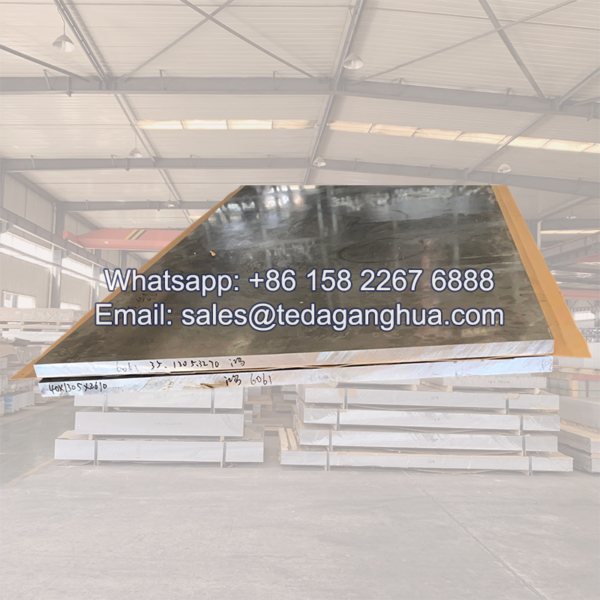
- Descripción
- Consulta
3000 series aluminum alloys are manganese-based materials developed to provide a practical balance of strength, formabilidad, y resistencia a la corrosión. A diferencia de las aleaciones de aluminio tratables térmicamente, this series relies primarily on solid-solution strengthening, partículas de segunda fase, and work hardening to achieve its mechanical properties. Within the series, 3003, 3004, 3005, y 3105 serve different manufacturing and application requirements. Understanding their differences helps buyers select the appropriate aluminum sheet for general fabrication, embalaje, heat exchange, y proyectos arquitectonicos.
1. How Manganese Strengthens 3xxx Aluminum Alloys
Manganese plays the central role in the performance of 3xxx aluminum alloys. When added to aluminum, manganese contributes to solid-solution strengthening and the formation of second-phase particles. These mechanisms improve strength while generally maintaining good corrosion resistance and useful forming characteristics.
One important characteristic of this alloy family is that it is non-heat-treatable. Unlike 2xxx, 6xxx, and 7xxx aluminum alloys, its strength cannot be significantly increased through conventional solution heat treatment and artificial aging. En cambio, manufacturers use cold working, such as rolling and other deformation processes, to increase strength through strain hardening.
Manganese strengthens aluminum through solid-solution effects and second-phase formation, while cold working provides additional strength. This allows 3xxx alloys to combine moderate strength, buena formabilidad, and useful corrosion resistance without relying on heat-treatment strengthening.
2. Four Important Grades and Their Application Positions
Although these alloys belong to the same manganese-based family, no son intercambiables en todas las aplicaciones. Differences in alloy design, requisitos de formación, and intended service environments determine which grade is more appropriate.
| Grado de aleación | Main Position | Typical Application Directions |
|---|---|---|
| 3003 | General-purpose manganese alloy | General formed components, intercambiadores de calor, batería de cocina, and interior building applications |
| 3004 | Magnesium-containing alloy with higher strength potential | Can bodies, componentes de iluminación, and formed products requiring greater strength |
| 3005 | Strength and corrosion resistance for building applications | Paneles arquitectónicos, persianas, and decorative building components |
| 3105 | Common architectural sheet and coil alloy | Paneles para techos, revestimiento de pared, señalización, and curtain wall liners |
3. 3003 Hoja de aluminio: The General-Purpose Choice
3003 is one of the widely used alloys in the manganese-based aluminum family. Su combinación de conformabilidad, resistencia a la corrosión, and moderate strength makes it suitable for a broad range of industrial and commercial products.
Para fabricantes, 3003 is a practical option when components require bending, formación, or drawing without demanding the higher strength associated with more specialized alloys. Typical applications include heat exchanger components, equipo de cocina, general sheet metal fabrication, and interior architectural products.
Its versatility makes it a useful starting point for material selection. Sin embargo, the final temper and forming process should still be considered because cold-worked conditions can affect both strength and formability.
4. 3004 Hoja de aluminio: When Higher Strength Is Required
3004 introduces magnesium as an additional alloying element alongside manganese. This alloy design provides higher strength potential than conventional 3003, making it suitable for applications where structural performance and forming characteristics must be considered together.
A well-known application direction is aluminum can body production. It is also used in lighting components and other formed products where the material needs to maintain its shape during manufacturing and service.
Al comparar 3003 y 3004, buyers should focus on the actual strength requirements, profundidad de formación, and manufacturing process rather than selecting a grade based on alloy designation alone.
5. 3005 Hoja de aluminio: Balancing Strength and Outdoor Performance
3005 is another manganese-based alloy developed for applications that require a combination of strength, formabilidad, y resistencia a la corrosión. Its application direction is particularly relevant to architectural products and building components exposed to outdoor conditions.
Common uses include architectural panels, persianas, and decorative exterior elements. Para estos productos, material selection involves more than the basic alloy designation. Tratamiento superficial, compatibilidad del recubrimiento, drainage design, and the surrounding environment also influence long-term performance.
For outdoor building projects, buyers should evaluate the complete material and finishing system instead of assuming that the alloy grade alone determines weather resistance.
6. 3105 Hoja de aluminio: A Common Choice for Roofing and Wall Cladding
3105 is frequently associated with architectural sheet applications, particularly roofing and wall systems. It offers a useful combination of formability, resistencia a la corrosión, and strength for products manufactured into panels and building components.
Typical application directions include roofing sheets, revestimiento de pared, señalización, and curtain wall liners. Its suitability for architectural production makes it important to consider surface appearance, requisitos de recubrimiento, operaciones de conformado, and exposure conditions during procurement.
When selecting 3105 for a building project, buyers should confirm whether the material will be painted, saburral, doblado, roll-formed, or installed as a flat panel. These processing details help determine the appropriate supply condition.
7. Cómo elegir entre 3003, 3004, 3005, y 3105
There is no single answer to which alloy is the best. The correct selection depends on the balance between strength, requisitos de formación, y el entorno de servicio previsto.
Antes de realizar un pedido, procurement teams should also confirm the required temper, método de formación, condición de la superficie, compatibilidad del recubrimiento, y estándar de materiales aplicable. These details are essential for matching the material to the actual production process.
8. What Buyers Should Confirm Before Purchasing
Choosing an alloy grade is only the first step. A reliable procurement specification should describe the product and its intended processing requirements clearly.
- Designación de aleación: Confirm whether the project requires 3003, 3004, 3005, o 3105.
- Temperamento: Identify the required condition according to the forming and strength requirements.
- Dimensiones: Confirm the required sheet thickness, ancho, y longitud.
- Condición de la superficie: Especificar acabado de fábrica, saburral, pintado, or other required surface treatments.
- Requisitos de procesamiento: Clarify bending, estampado, perfilado, corte, and other fabrication operations.
- Documentación: Request material test certificates and relevant inspection records.
9. 3000 Series Aluminum Sheet Supply from Teda Ganghua
Teda Ganghua Metal provides aluminum material sourcing and supply services for industrial fabrication, aplicaciones arquitectónicas, and general manufacturing requirements. As a Tianjin TEDA-based steel and metal stockist with 20 años de experiencia como almacenista, La empresa apoya a los compradores que necesitan asistencia para la selección de materiales., confirmación de especificación, y coordinación de la oferta orientada a la exportación.
For customers evaluating manganese-based aluminum materials, Teda Ganghua can assist with comparing different alloy grades, confirming temper and dimensional requirements, and coordinating suitable material documentation. Processing requirements such as cutting and other customized fabrication operations can also be discussed according to project needs.
Compradores que buscan productos de chapa de aluminio can contact Teda Ganghua with their target alloy, dimensiones, temperamento, requisitos de superficie, y aplicación prevista. Third-party inspection arrangements and material test certificates can be discussed before shipment. Los clientes pueden inspeccionar los materiales antes de la entrega..
Preguntas frecuentes
1. What makes 3000 series aluminum different from other aluminum alloy families?
Its main alloying element is manganese. The alloy family uses solid-solution strengthening, second-phase formation, and work hardening to achieve useful strength while retaining good corrosion resistance and formability.
2. Can manganese-based aluminum alloys be strengthened by heat treatment?
They are generally classified as non-heat-treatable alloys. Their strength is primarily adjusted through cold working and the resulting strain-hardening effect rather than conventional solution heat treatment and aging.
3. ¿Cuál es la principal diferencia entre 3003 y 3004?
3003 is a general-purpose manganese alloy, mientras 3004 contains magnesium in addition to manganese and offers higher strength potential. The choice depends on the required mechanical performance and forming process.
4. Which alloy is commonly used for aluminum roofing sheets?
3105 is commonly associated with roofing and wall cladding applications. Sin embargo, the final selection should also consider coating systems, requisitos de formación, exposición ambiental, and project specifications.
5. Es 3005 suitable for outdoor architectural applications?
3005 is used in architectural panels, persianas, and decorative building components. Its suitability depends on the service environment, protección de superficies, installation design, and the required durability of the complete building system.
Productos relacionados
-
 1000 Hoja de aluminio serie, Sábanas de aluminio, Hoja de aluminio puro
1230 Hoja de aluminio
Espesor(milímetros): hoja de aluminio:0.15-6.0 placa de aluminio:6.0-25.0
Ancho(milímetros): 20-2000milímetros
Estándar: GB, Él, DE, Astm
Tratamiento superficial: Cepillado, Espejo, En relieve, Arenado, etc.
Temperamento: O/H111 H112 H116/H321 H12/H22/H32 H14/H24/H34/H16/H26/H36 H18/H28/H38 H114/H194, etc..
Tipo: bobina/hoja/tiras/placa
Paquete: Paquete de exportación estándar,como… -
 1000 Hoja de aluminio serie, Sábanas de aluminio, Hoja de aluminio puro
1070 Hoja de aluminio
1070 La hoja de aluminio es el segundo metal más utilizado en el mundo hoy. LT es un metal versátil que se puede colocar en cualquier forma. Este metal liviano…
-
 3000 Hoja de aluminio serie, Sábanas de aluminio
3003 Hoja de aluminio
3003 La hoja de aluminio es una aleación de uso general conocida por su resistencia moderada, buena trabajabilidad, y excelente resistencia a la corrosión. Se enrolla y se extruye comúnmente, pero no típicamente forjado. Como…
-
 1000 Hoja de aluminio serie, Sábanas de aluminio, Hoja de aluminio puro
1050 Hoja de aluminio
Características
Ligero
Resistencia a la corrosión
Conductividad térmica
Conductividad eléctrica
Maleabilidad y formabilidad -
 5000 Hoja de aluminio serie, Sábanas de aluminio, Hoja de aluminio de grado marino
5052 Placa de aluminio de grado marino
5052 aluminio de grado marino, Parte de la serie AL-MG Alloy, se usa ampliamente en la construcción naval debido a su excelente resistencia a la corrosión y resistencia a la mediana, esenciales para los materiales constantemente expuestos…
-
 3000 Hoja de aluminio serie, Sábanas de aluminio
3105 Hoja de aluminio
¿Por qué elegir Teda Ganghua para 3105 Hoja de aluminio?
con más 18 años de experiencia, Nos especializamos en fabricación y suministro de ASTM y EN estándar 3105 Placas de aluminio a precios competitivos,…