
- Keterangan
- Pertanyaan
8021 aluminum coil and 8011 aluminum coil belong to the same broad family of foil-oriented aluminum materials, but they are not simply interchangeable grades. Both are associated with thin-gauge rolling and packaging applications. The practical difference is how each grade is selected for a particular end use, especially when the aluminum layer must work with a specific laminating, pembentukan, or sealing process.
Untuk pembeli, the important question is not whether 8021 is universally better than 8011. It is whether the selected material is compatible with the final packaging structure and downstream production conditions. A foil used in pharmaceutical packaging may have different requirements from one used for general flexible packaging or closure materials.
Ini membuat 8021 an application-driven purchasing choice. Sebelum meminta penawaran, buyers should explain what the aluminum foil will be laminated with, how it will be formed, and what performance the finished package must deliver.
8021 Dan 8011: Two Grades in the Same Foil-Oriented Family
Both grades belong to the 8xxx aluminum series, which includes alloys used in specialized rolled products and foil applications. Their commercial applications overlap, but their selection should be based on the actual requirements of the finished product rather than on the assumption that one grade can replace the other in every situation.
| Perbandingan | 8021 | 8011 |
|---|---|---|
| Keluarga paduan | 8seri xxx, associated with specialized foil and thin rolled products. | 8seri xxx, widely used in foil and packaging-related products. |
| Fokus aplikasi | Frequently selected for pharmaceutical and other demanding packaging foil applications. | Commonly used across a broad range of packaging, closure, and foil applications. |
| Selection consideration | Evaluate the required forming behavior, foil performance, and compatibility with the packaging structure. | Evaluate the required rolling quality, kondisi permukaan, and downstream converting process. |
| Procurement approach | Choose according to the final application and its technical specification. | Choose according to the final application and its technical specification. |
The table describes typical market positioning, not a universal rule for every manufacturer’s product. Actual performance depends on the supplied condition, jalur produksi, persyaratan permukaan, dan spesifikasi produk yang berlaku.
The key difference is downstream compatibility
8021 Dan 8011 should be compared according to what happens after rolling. The laminate, operasi pembentukan, sealing method, and final packaging requirements often determine which grade is more appropriate.
Mengapa 8021 Is Often Considered for Pharmaceutical Packaging
8021 is widely associated with pharmaceutical foil applications, particularly where the aluminum layer forms part of a protective packaging structure. The material may be combined with polymers, pelapis, or other functional layers to create a finished package designed for a specific product and production process.
Dalam kemasan farmasi, the aluminum foil is not evaluated in isolation. Its performance is connected to the complete packaging system, including the barrier requirements, operasi pembentukan, sealing process, and compatibility with the contents.
Cold-Formed Blister Packaging
One important application area for 8021 is cold-forming foil used in pharmaceutical blister packaging. The foil is combined with other packaging layers and formed into cavities that hold individual tablets or capsules.
Because the material undergoes significant forming during production, buyers need to consider its suitability for the intended cavity geometry and converting conditions. The finished laminate must also meet the packaging system’s barrier and integrity requirements.
Laminated Pharmaceutical Structures
Some packaging designs combine aluminum foil with polymer films or other layers. The aluminum provides a functional barrier component, while the other layers contribute sealing, perlindungan, printability, atau kinerja mekanis.
For these structures, the selected foil must be compatible with the lamination process. Kondisi permukaan, bonding requirements, and the behavior of the complete laminate should be discussed before material approval.
Di mana 8011 Fits in the Comparison
8011 has a broad presence in aluminum foil and packaging markets. It is used in applications such as flexible packaging, household foil, closure materials, and selected pharmaceutical packaging products, depending on the required specification and material condition.
Flexible Packaging
For flexible packaging, aluminum foil may be laminated with paper, polymer films, or other materials. The final structure can be designed for product protection, penampilan, and compatibility with packaging machinery.
Household and General-Purpose Foil
General-purpose foil applications require suitable rolling quality, handling characteristics, and consistent performance during converting. The exact material specification should reflect the intended use rather than relying only on the alloy number.
Closure and Container Materials
Aluminum foil and thin rolled products can be used in closure-related applications where stamping, pembentukan, or sealing is involved. Buyers should provide the closure design and production method to help determine the appropriate material condition.
The Laminate Often Determines the Alloy Choice
When comparing two nearby foil grades, the downstream structure can be more important than a simple grade-to-grade ranking. Different packaging systems place different demands on the aluminum layer.
| Downstream Process | What the Buyer Should Explain | Mengapa Itu Penting |
|---|---|---|
| Lamination | Which polymer, kertas, lapisan, or other layer will be bonded to the foil? | The foil surface and bonding process must work together. |
| Cold forming | What cavity geometry and forming conditions will be used? | The foil and laminate must withstand the required deformation without unacceptable defects. |
| Heat sealing | What sealing layer, kisaran suhu, and sealing arrangement are required? | The complete packaging structure must achieve the required seal performance. |
| Printing and coating | Will the foil be printed, dilapisi, or treated before conversion? | Surface condition and process compatibility can affect appearance and adhesion. |
| Final barrier performance | What protection is required against moisture, lampu, oksigen, or other external factors? | Barrier performance must be evaluated for the finished packaging structure. |
This is particularly important in pharmaceutical packaging. A foil grade should not be approved based only on a supplier’s general description. The complete laminate and packaging process must be validated against the intended product requirements.
8021 vs. 8011: How to Make a Practical Purchasing Decision
There is no universal winner between these two grades. The correct choice depends on the final product, the converting equipment, and the technical specification agreed between the buyer and supplier.
- For cold-form pharmaceutical foil: Mengevaluasi 8021 as a potential option and confirm its suitability for the complete laminate and forming process.
- For general packaging foil: 8011 may be a practical option when its supplied condition meets the converting requirements.
- For closure materials: Specify the forming operation, finished geometry, and required surface condition before comparing grades.
- For laminated products: Share the complete layer structure and bonding process with the material supplier.
- For regulated packaging: Confirm the applicable material and finished-package compliance requirements before production.
When the application is not yet fully defined, it is better to discuss the packaging process with the supplier before fixing the alloy designation. This reduces the risk of choosing a material that can be rolled successfully but does not perform as expected during downstream conversion.
What to Include in an 8021 Aluminum Coil Inquiry
A useful inquiry should describe the final application rather than simply request a grade and price. The following information helps suppliers evaluate the material more accurately:
| Informasi | Details to Provide |
|---|---|
| End application | Cold-form blister, flexible packaging, laminated foil, or another use. |
| Laminate structure | The materials and layers that will be bonded to the aluminum. |
| Dimensi kumparan | Ketebalan, lebar, diameter dalam kumparan, dan berat koil yang dibutuhkan. |
| Kondisi materi | Required temper and relevant product specification. |
| Persyaratan permukaan | Perawatan permukaan, menyelesaikan, lapisan, or bonding-related requirements. |
| Dokumen berkualitas | Sertifikat uji materi, catatan inspeksi, and agreed compliance documents. |
Providing samples, gambar, laminate specifications, or details of the converting process can also help clarify the material requirements. Where the foil is intended for regulated packaging, the buyer should identify the applicable approval and testing requirements at the beginning of the project.
Aluminum Coil Sourcing from Teda Ganghua
Teda Ganghua Metal supports industrial buyers with aluminum material sourcing, konfirmasi spesifikasi, and customized supply arrangements. Dengan 20 years of steel stockist experience in Tianjin TEDA, the company works with customers to clarify alloy requirements, dimensi produk, kondisi permukaan, dan pengaturan pengiriman.
Untuk pembeli membandingkan 8011 Dan 8021, the intended downstream process is an important part of the inquiry. Teda Ganghua can discuss available produk lembaran aluminium dan koil according to the required application, ukuran, kondisi material, and supply form.
Processing arrangements such as cutting, pencukuran, and customized sizing can be discussed for suitable materials. Material test certificates and inspection documentation can be coordinated according to the agreed order requirements. Customers are welcome to arrange inspection before shipment to verify material identification, ukuran, kemasan, and other agreed quality points.
For foil and laminated packaging projects, buyers should provide the intended laminate structure and converting process before confirming the grade. This allows the material requirements to be reviewed in relation to the finished product rather than relying on a general alloy comparison.
Pertanyaan yang Sering Diajukan
1. Apa perbedaan utama antara keduanya 8021 Dan 8011 kumparan aluminium?
Both are 8xxx series alloys used in foil-related applications, but their typical market positioning differs. 8021 is frequently associated with pharmaceutical and cold-form packaging foil, ketika 8011 has a broad range of packaging and general foil applications. The final choice should follow the actual product specification and converting requirements.
2. Adalah 8021 aluminum coil suitable for pharmaceutical packaging?
It is commonly used in pharmaceutical foil applications, including certain cold-form blister packaging structures. Suitability depends on the complete laminate, proses pembentukan, barrier requirements, and applicable packaging standards.
3. Adalah 8011 always a better choice for general packaging?
Tidak secara otomatis. 8011 is widely used in general packaging applications, but the correct selection depends on the required surface condition, membentuk perilaku, laminate structure, and product specification.
4. Bisa 8021 Dan 8011 be used in the same laminating process?
They may be considered for overlapping applications, but they should not be substituted without checking process compatibility. The foil’s material condition, persyaratan permukaan, bonding process, and final packaging performance must be evaluated together.
5. What should I tell a supplier before ordering 8021 kumparan aluminium?
Berikan aplikasi yang dimaksud, laminate structure, forming or sealing process, dimensi yang dibutuhkan, kondisi material, persyaratan permukaan, kuantitas, dan kebutuhan dokumentasi. Explaining what the foil will be bonded to is especially useful when selecting between nearby alloy grades.
Produk terkait
-
 Produk Aluminium Profesional Pemasok Aluminium, Lembar aluminium
36 Stok Kumparan Aluminium Lebar
36 stok kumparan aluminium lebar (36 inci / 914 mm) adalah salah satu kumparan aluminium lebar industri yang paling umum digunakan. Ini berfungsi sebagai bahan dasar yang fleksibel untuk…
-
 1Kumparan Aluminium Seri xxx, Produk Aluminium Profesional Pemasok Aluminium
1060 Kumparan Aluminium
1060 Aluminium diklasifikasikan sebagai aluminium industri, dengan konten aluminium 99.60%. Itu tidak dapat diperkuat melalui perlakuan panas. Sedangkan kekuatan gesernya mirip 1050 aluminium,…
-
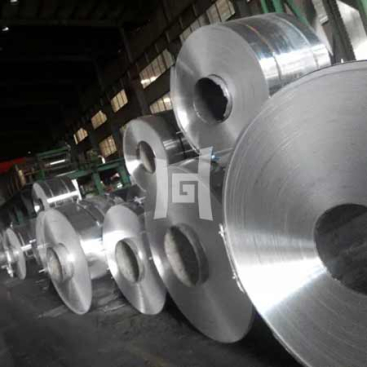 1Kumparan Aluminium Seri xxx, Produk Aluminium Profesional Pemasok Aluminium
1100 Kumparan Aluminium
Teda Aluminium berspesialisasi dalam penelitian ini, perkembangan, dan produksi hot-rolled 1100 kumparan aluminium. Gulungan ini, terbuat dari aluminium murni industri, menawarkan perpanjangan tinggi, kekuatan tarik yang sangat baik, dan luar biasa…
-
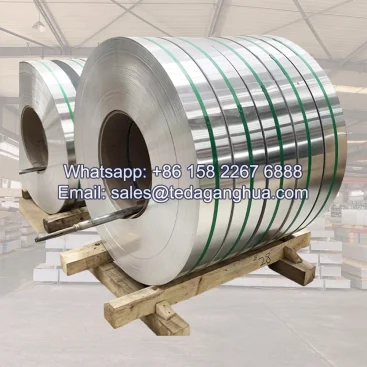 Produk Aluminium Profesional Pemasok Aluminium
Stok Kumparan Aluminium Putih
Stok koil aluminium putih memperoleh tampilannya terutama dari lapisan oksida alami, komposisi paduan, dan proses finishing permukaan. Nilai umum termasuk 1xxx, 3xxx, 5xxx, dan seri 6xxx, setiap…
-
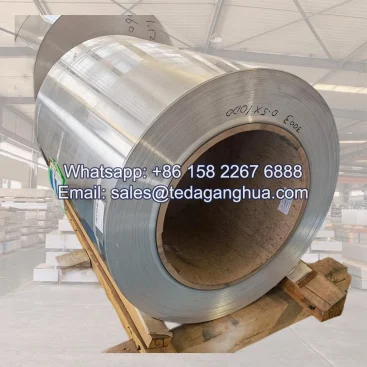 Produk Aluminium Profesional Pemasok Aluminium
Kumparan Lembaran Aluminium
Kumparan lembaran aluminium tersedia dalam berbagai tingkatan dan sistem paduan, masing-masing menawarkan kekuatan tertentu, resistensi korosi, dan karakteristik sifat mampu bentuk. Memilih grade yang tepat memastikan daya tahan,…
-
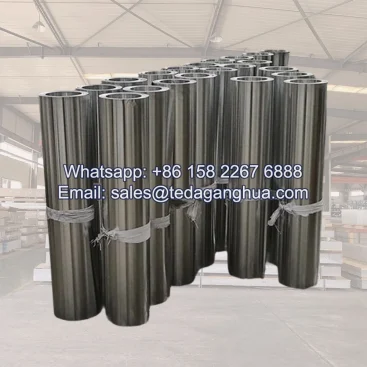 Produk Aluminium Profesional Pemasok Aluminium
Kumparan Aluminium yang Dicat
Kumparan aluminium yang dicat memadukan bobot yang ringan, tahan korosi, dan sifat aluminium yang dapat dibentuk dengan lapisan cat dekoratif dan pelindung. Karakteristik ini menjadikannya sangat cocok untuk konstruksi, angkutan, manufaktur peralatan,…