- Keterangan
- Pertanyaan
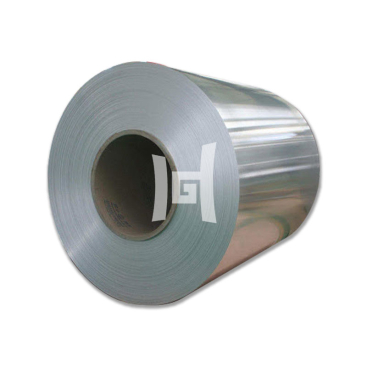
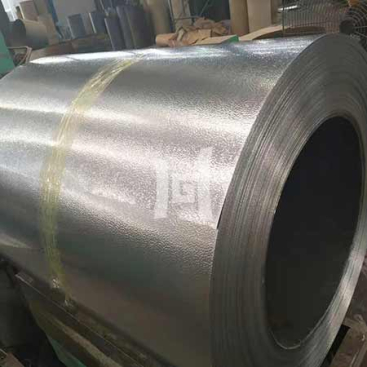
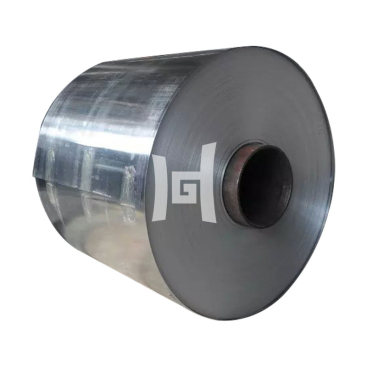
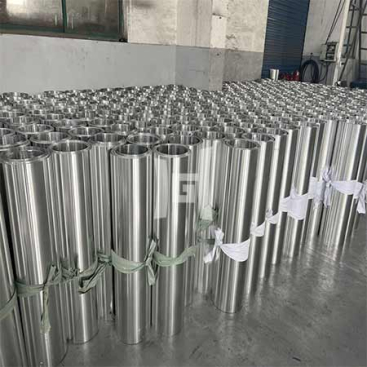
High strength aluminum coil is a common search term in industrial purchasing, manufaktur otomotif, angkutan, konstruksi, dan aplikasi teknik. Namun, the phrase “kekuatan tinggi” does not identify one specific aluminum alloy or one particular strengthening mechanism. Different aluminum alloy families achieve higher strength through different metallurgical processes, and these processes create different requirements for forming, pengelasan, perlakuan panas, and material supply.
Before selecting a high-strength material, buyers need to answer one important question: Does the application require higher tensile strength or higher yield strength? These two requirements are related, but they are not interchangeable. The answer can lead to completely different alloy families and manufacturing solutions.
What Does High Strength Mean in Aluminum Coil?
In aluminum engineering, strength is not a single property. Tensile strength and yield strength describe different aspects of material behavior.
- Kekuatan tarik: The maximum stress a material can withstand during a tensile test before fracture-related failure occurs.
- Kekuatan luluh: The stress level at which a material begins to undergo permanent deformation under the applicable test definition.
A manufacturer producing a load-bearing component may prioritize resistance to permanent deformation, while another application may focus on the material’s overall tensile performance. Karena itu, simply requesting high strength without identifying the required property can lead to an unsuitable material selection.
The key purchasing question
When requesting high-strength aluminum coil, specify whether the priority is tensile strength, kekuatan hasil, or both. Then identify the forming, pengelasan, dan persyaratan layanan.
Two Different Routes to High Strength
Aluminum alloys achieve higher strength through different mechanisms. For industrial coil applications, two important routes are strain hardening and precipitation hardening.
| Strengthening Route | Representative Series | How Strength Increases | Pengorbanan Utama |
|---|---|---|---|
| Pengerasan regangan | 5xxx | Strength develops through accumulated cold working. | Forming flexibility generally decreases as work hardening increases. |
| Pengerasan curah hujan | 6xxx / 7xxx | Strength develops through controlled heat treatment and precipitation. | Requires suitable heat-treatment capability and has a narrower practical coil supply range in many applications. |
These are fundamentally different strengthening routes. They should not be compared as though they were simply two grades offering different strength levels. Their processing histories, final properties, and fabrication requirements are different.
Route One: Strain-Hardened Aluminum in the 5xxx Series
The 5xxx aluminum family uses magnesium as its principal alloying element. Its strength comes mainly from solid-solution strengthening and strain hardening rather than conventional precipitation hardening.
During cold rolling and other deformation operations, the material accumulates plastic strain. This increases resistance to further deformation and improves strength. Namun, the material generally becomes less flexible for subsequent forming operations as the degree of work hardening increases.
How This Route Works in Coil Production
Aluminum coil is particularly suitable for controlled rolling and continuous processing. By selecting the appropriate alloy and temper, manufacturers can obtain different combinations of strength and formability.
This route is commonly considered for:
- Transportation components requiring a balance of strength and corrosion resistance.
- Marine and industrial fabricated components.
- Structural panels requiring suitable welding characteristics.
- Products where cold-worked material conditions are acceptable.
One important consideration is welding. Welding heat can locally alter the work-hardened condition, resulting in changes to mechanical properties around the weld area. Engineers should therefore evaluate the properties of the finished welded component rather than relying only on the original coil condition.
Route Two: Precipitation-Hardened Aluminum in the 6xxx and 7xxx Series
The 6xxx and 7xxx families achieve strength through heat-treatment-related precipitation mechanisms. Their strengthening process differs significantly from the cold-work-dominated route used by many 5xxx alloys.
6Seri xxx: Strength and Fabrication Balance
The 6xxx series generally uses magnesium and silicon as its principal alloying elements. Through suitable solution treatment and artificial or natural aging, strengthening precipitates develop within the aluminum matrix.
This family is widely used in transportation, konstruksi, mesin, and engineered components. Some grades are available in coil form, but the supply condition and production route must be checked carefully.
Untuk pembeli, the main consideration is whether the required strength, proses pembentukan, and final temper can be achieved through the available manufacturing route.
7Seri xxx: Strength-Oriented Applications
The 7xxx series is primarily based on aluminum-zinc alloy systems and can achieve very high strength through controlled precipitation hardening. It is often associated with demanding engineering and transportation applications.
Namun, high strength does not automatically mean suitability for every industrial coil application. Depending on the specific grade and condition, factors such as stress-corrosion behavior, kekerasan, keterbatasan pengelasan, persyaratan pembentukan, and processing costs need careful consideration.
Coil availability is also more restricted for many high-performance products because of the processing and heat-treatment requirements. Buyers should confirm whether the requested alloy and temper are commercially available in the required coil dimensions.
Tensile Strength vs. Kekuatan luluh: Which One Should You Specify?
One of the most important steps in purchasing is translating the phrase high strength into a measurable engineering requirement.
| Persyaratan | What It Evaluates | Kekhawatiran Teknik Khas |
|---|---|---|
| Kekuatan tarik | Resistance to tensile loading up to the maximum measured stress. | Load capacity and tensile performance. |
| Kekuatan luluh | Resistance to the onset of permanent deformation. | Dimensional stability and resistance to permanent bending. |
| Pemanjangan | The material’s deformation capacity during tensile testing. | Formability and deformation tolerance. |
A component that must maintain its original shape under repeated loading may place greater emphasis on yield behavior. A component designed around tensile loading may require closer attention to tensile strength and elongation.
These properties should be specified together where necessary. Selecting material solely by its highest tensile strength can produce a poor result if the application also requires forming, pengelasan, or dimensional stability.
Why High Strength Can Reduce Weldability and Formability
Increasing material strength often introduces additional manufacturing constraints. These trade-offs depend on the alloy family, melunakkan, ketebalan, dan metode fabrikasi.
Formability Considerations
Cold-worked materials generally lose some remaining deformation capacity as work hardening increases. Precipitation-hardened materials may also require specific forming and heat-treatment sequences to achieve the intended final condition.
For coil buyers, radius lentur, arah pembentukan, perkakas, and the timing of forming relative to heat treatment should be discussed before selecting the material.
Pertimbangan Pengelasan
Welding introduces localized heat that can change the microstructure and mechanical properties of aluminum alloys. In strain-hardened alloys, the heat-affected zone may lose part of its work-hardened strength. In precipitation-hardened alloys, welding can dissolve or coarsen strengthening precipitates and reduce local strength.
Some high-strength aluminum alloys also have limitations in conventional fusion welding. The exact alloy and joining method must therefore be evaluated together.
Pengingat teknik
Higher strength can mean less forming flexibility and more demanding welding requirements. Never specify high strength without identifying the finished component and its manufacturing process.
How to Choose the Right High-Strength Aluminum Coil
Sebelum melakukan pemesanan, buyers should define the direction of strength required and then match it with the appropriate alloy family.
| Persyaratan Aplikasi | Selection Direction | Important Check |
|---|---|---|
| Cold-worked strength with corrosion resistance | 5seri xxx | Temper and remaining forming capacity. |
| Strength with heat-treatment flexibility | 6seri xxx | Heat-treatment route and final material condition. |
| Very high strength engineering applications | Selected 7xxx grades | Stress-corrosion behavior, joining limitations, dan ketersediaan. |
| Komponen struktural yang dilas | Application-specific alloy selection | Heat-affected-zone properties and welding procedure. |
| Deep forming or complex bending | Formability-oriented temper and alloy | Pemanjangan, radius tikungan, and processing sequence. |
What Buyers Should Include in a Coil Inquiry
A useful inquiry should describe the actual engineering requirement instead of simply requesting a high-strength product. The following information helps suppliers evaluate whether the requested material can be supplied in a suitable condition.
- Alloy series or exact grade: Identify the preferred strengthening route or required designation.
- Strength requirements: Specify tensile strength, kekuatan hasil, or both according to the applicable standard.
- Melunakkan: Confirm the required material condition.
- Ukuran: Berikan ketebalan, lebar, diameter dalam kumparan, and required weight.
- Pembuatan: Describe bending, menginjak-injak, pengelasan, permesinan, or other processing operations.
- Service environment: Identify exposure to corrosion, suhu, and mechanical loading.
- Dokumentasi: Konfirmasikan sertifikat material, persyaratan pemeriksaan, and applicable technical standards.
High-Strength Aluminum Coil Supply from Teda Ganghua
Teda Ganghua Metal memasok bahan aluminium untuk industri manufaktur, angkutan, konstruksi, dan aplikasi teknik. Dengan 20 years of steel stockist experience in Tianjin TEDA, the company supports international buyers with material sourcing, dimensional confirmation, and customized supply arrangements.
For customers looking for high-strength aluminum coil, selecting the correct alloy family and temper is an important starting point. Teda Ganghua can discuss requirements involving 5xxx, 6xxx, and other aluminum alloy series according to the intended application, dimensi yang dibutuhkan, and fabrication conditions.
Pengaturan pemrosesan yang tersedia dapat mencakup pemotongan, pencukuran, ukuran yang disesuaikan, and other services according to material specifications. Material test certificates and inspection documentation can be discussed based on individual order requirements. Customers are welcome to arrange inspection before shipment to verify the supplied materials.
Jelajahi Teda Ganghua produk lembaran aluminium dan koil for industrial and engineering manufacturing requirements.
Saat mengirimkan pertanyaan, please specify whether your priority is tensile strength, kekuatan hasil, or both. Including the final application, persyaratan pengelasan, proses pembentukan, preferensi paduan, melunakkan, and coil dimensions will help establish a more appropriate material specification.
Pertanyaan yang Sering Diajukan
1. What does high-strength aluminum coil mean?
It refers to aluminum coil selected for higher mechanical strength requirements. Namun, the term does not identify one specific alloy. Buyers must clarify the required tensile strength, kekuatan hasil, keluarga paduan, dan marah.
2. Which aluminum series is used for high-strength applications?
The 5xxx, 6xxx, and 7xxx families can all serve strength-oriented applications, but they use different strengthening mechanisms. The appropriate family depends on forming, pengelasan, korosi, dan persyaratan layanan.
3. What is the difference between strain hardening and precipitation hardening?
Strain hardening increases strength through accumulated plastic deformation, while precipitation hardening uses controlled heat treatment to develop strengthening precipitates within the alloy structure.
4. Can high-strength aluminum coil be welded?
Some alloys are suitable for welding, while others have significant joining limitations. Welding heat can also reduce local strength in the heat-affected zone. The exact alloy, melunakkan, bahan pengisi, and welding procedure should be evaluated together.
5. What information is needed to purchase high-strength aluminum coil?
Buyers should provide the alloy or series, required strength properties, melunakkan, ketebalan, lebar, dimensi kumparan, aplikasi yang dimaksudkan, persyaratan fabrikasi, dan ekspektasi dokumentasi.
Produk terkait
-
 Produk Aluminium Profesional Pemasok Aluminium
Kumparan Aluminium yang Dicat
Kumparan aluminium yang dicat memadukan bobot yang ringan, tahan korosi, dan sifat aluminium yang dapat dibentuk dengan lapisan cat dekoratif dan pelindung. Karakteristik ini menjadikannya sangat cocok untuk konstruksi, angkutan, manufaktur peralatan,…
-
 Produk Aluminium Profesional Pemasok Aluminium
Kumparan Lembaran Aluminium
Kumparan lembaran aluminium tersedia dalam berbagai tingkatan dan sistem paduan, masing-masing menawarkan kekuatan tertentu, resistensi korosi, dan karakteristik sifat mampu bentuk. Memilih grade yang tepat memastikan daya tahan,…
-
 1Kumparan Aluminium Seri xxx, Produk Aluminium Profesional Pemasok Aluminium
1050 Kumparan Aluminium
Itu 1050 kumparan aluminium adalah bagian dari 1 seri, dengan kandungan aluminium setidaknya 99.5%, Sesuai standar internasional. Ini memiliki proses produksi yang sederhana, membuat…
-
 6Kumparan Aluminium Seri xxx, Produk Aluminium Profesional Pemasok Aluminium
6061 Kumparan aluminium plesteran 6061 AMS4025 ASTM B209 6061 Kumparan paduan aluminium 300 mm
6061 Aluminium Coil terkenal dengan sifat mekaniknya yang sangat baik, kemampuan las, dan ketahanan terhadap korosi, menjadikannya pilihan populer untuk aplikasi tujuan umum. Muncul di berbagai tingkatan, termasuk…
-
 Produk Aluminium Profesional Pemasok Aluminium, 3Kumparan Aluminium Seri xxx
3004 Kumparan Aluminium
3004 Aluminium Coil adalah paduan aluminium-mangan tingkat premium dari seri 3xxx, menawarkan kekuatan lebih tinggi dari 3003 Paduan sambil mempertahankan bentuk kemampuan bentuk dan korosi yang sangat baik. Itu dirancang khusus…
-
 Produk Aluminium Profesional Pemasok Aluminium
Harga kumparan aluminium
Kumparan lembaran aluminium umumnya lebih hemat biaya dibandingkan baja tahan karat, terutama ketika fleksibilitas berat dan fabrikasi sangat penting. Sedangkan baja tahan karat menawarkan kekuatan yang lebih tinggi dan ketahanan terhadap korosi yang ekstrim, aluminium…