- Descrizione
- Inchiesta
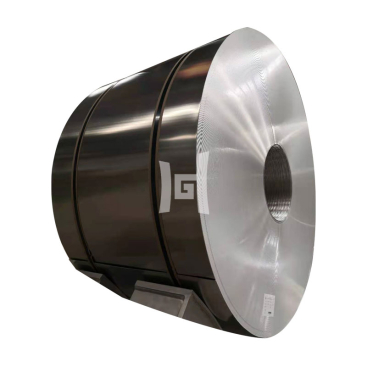
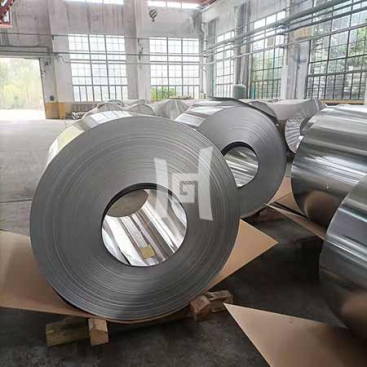
Marine grade aluminium alloy coil is used in shipbuilding, attrezzatura offshore, strutture marine, and coastal engineering projects. Tuttavia, the term “grado marino” does not identify one specific aluminum alloy. It describes a material selection based on several factors, including alloy composition, temperare, prestazioni meccaniche, Resistenza alla corrosione, requisiti di saldatura, and applicable project certification.
For marine aluminum procurement, three alloy categories often serve different structural roles. Some are selected for moderate strength and good formability, others are designed for higher-strength welded structures, while intermediate options provide a balance between these requirements. Understanding the differences helps buyers select the right material for each part of a vessel rather than treating all marine aluminum as interchangeable.
Marine Grade Is a Material Combination, Not One Alloy
One common purchasing misunderstanding is assuming that specifying a marine-grade alloy automatically guarantees suitability for every marine application. In pratica, the alloy designation is only the starting point.
A complete marine aluminum specification should consider three essential elements:
01. Lega
Determines the basic material characteristics, compresa la forza, Resistenza alla corrosione, e saldabilità.
02. Temperare
Definisce le condizioni del materiale e influenza la resistenza, comportamento formativo, e prestazioni di fabbricazione.
03. Certificazione
Establishes whether the supplied material meets the applicable project and inspection requirements.
These three elements must be considered together. An appropriate alloy supplied in an unsuitable temper may not satisfy the design requirements. Allo stesso modo, a technically suitable material without the required project documentation may not be acceptable for a regulated marine structure.
The purchasing principle
Marine grade = alloy + temperare + certificazione. Specifying only the alloy identifies just one part of the material requirement.
Three Roles of Marine Aluminum Alloys
Marine aluminum materials should be selected according to the structural function of each component. Generalmente, the selection can be divided into three performance positions.
| Material Role | Caratteristiche principali | Applicazioni marine tipiche |
|---|---|---|
| Resistenza moderata e buona formabilità | Good fabrication flexibility and useful corrosion resistance. | Sovrastrutture, interior components, pipe coverings, and formed marine parts. |
| Higher strength for welded structures | Higher structural strength with suitability for welded fabrication in appropriate conditions. | Strutture dello scafo, load-bearing components, and demanding marine structures. |
| Intermediate performance | A balance between strength, requisiti di fabbricazione, e prestazioni del servizio. | Structural components selected according to location, carichi di progettazione, e requisiti di saldatura. |
The three roles are not interchangeable. A material suitable for interior panels may not be appropriate for a primary hull structure. Allo stesso modo, a higher-strength alloy is not automatically the best choice for components requiring extensive forming or complex fabrication.
Understanding the Different Roles of 5083, 5086 E 5052
Among commonly considered aluminum-magnesium alloys, 5052, 5083, E 5086 illustrate how different grades can serve different marine manufacturing requirements. Their selection should be based on the actual component design, condizione materiale, and applicable engineering specifications.
5052: Formability-Oriented Marine Components
5052 is often considered when good formability, Resistenza alla corrosione, e sono necessarie una forza moderata. It is suitable for various formed components and general marine applications where the design does not demand the higher structural strength associated with some other aluminum-magnesium alloys.
Typical applications include interior panels, custodie per apparecchiature, coperture formate, pipe protection components, and selected superstructure parts. It is especially useful where bending and shaping are important manufacturing operations.
5083: Higher-Strength Welded Structures
5083 is widely used in marine structural manufacturing because of its combination of high strength, resistenza alla corrosione dell'acqua di mare, e buona saldabilità. It is commonly considered for hull structures, assemblaggi saldati, and other components subject to demanding structural requirements.
Tuttavia, material condition and welding-related property changes must be considered during engineering and procurement. The suitability of a particular supply condition should be confirmed against the design specification rather than assumed from the alloy designation alone.
5086: An Intermediate Structural Option
5086 provides another option for marine structures where strength, Resistenza alla corrosione, and welding performance need to be balanced. It can be considered for hull-related components, pannelli strutturali, and welded marine fabrication, depending on the required material condition and design requirements.
The choice between different structural grades should account for the actual location, condizioni di carico, welding quantity, and fabrication sequence. Selecting a material simply because it is described as marine grade can overlook important engineering differences.
Marine Aluminum Coil vs. Piastra in alluminio
Alloy selection is only one part of marine material procurement. Product form also influences manufacturing efficiency, controllo dimensionale, delivery arrangements, e metodi di ispezione.
Although coil and plate can share the same alloy designation, they are not necessarily interchangeable in practical production. The appropriate form depends on the dimensions and fabrication route of the finished component.
| Confronto | Bobina in alluminio | Piastra in alluminio |
|---|---|---|
| Forma del prodotto | Continuous rolled material supplied in coil form. | Flat material supplied in individual sheets or plates. |
| Idoneità alla produzione | Continuous forming, formatura a rulli, and long-length components. | Fixed-size structural parts and individual cut components. |
| Dimensional planning | Requires consideration of coil width, spessore, diametro interno, e peso. | Requires consideration of length, larghezza, spessore, e planarità. |
| Elaborazione | Suitable for continuous feeding and repeated processing operations. | Adatto per il taglio, lavorazione, and individual structural fabrication. |
| Focus dell'ispezione | Coil identification, condizione della superficie, consistenza dello spessore, e tracciabilità. | Individual dimensions, planarità, condizione della superficie, e tracciabilità. |
| Applicazione tipica | Long panels, continuous profiles, and repetitive formed components. | Hull panels, structural sections, and fixed-dimension components. |
When Should Marine Buyers Choose Coil?
Coil is particularly useful when the production process involves continuous feeding, repeated forming, or long components that would otherwise require multiple individual sheets. It can improve material utilization and reduce interruptions during suitable manufacturing operations.
Le applicazioni comuni includono:
- Continuous roll-formed marine panels.
- Long-length interior and exterior components.
- Repeatedly manufactured covers and protective sections.
- Fabricated components produced through continuous cutting and forming.
Prima di ordinare, buyers should confirm coil width, spessore, diametro interno, outside diameter where relevant, peso totale, confezione, and unwinding requirements. Coil flatness and surface protection should also be evaluated according to the downstream manufacturing process.
When Is Marine Aluminum Plate the Better Choice?
Plate is generally more appropriate when the project requires fixed dimensions, individual structural components, or thicker material for fabrication. It is commonly used in hull construction, structural assemblies, basi dell'attrezzatura, and other applications where individual pieces are cut and joined.
Compared with coil, plate procurement places greater emphasis on individual sheet dimensions, planarità, cutting allowances, and the traceability of each supplied material batch.
For welded structural parts, the selected material condition and welding procedure should be confirmed before production. The design team should also consider how welding affects the mechanical properties of the finished assembly.
A practical form-selection rule
Choose coil for continuous processing and long-length components. Choose plate for fixed-size structural parts. The alloy designation alone does not determine which product form is suitable.
What to Confirm Before Ordering Marine Aluminum
Marine procurement involves more than confirming the grade and product dimensions. The order should clearly define the material condition, documentazione, forma del prodotto, e le aspettative di ispezione.
| Order Item | Purchasing Requirement |
|---|---|
| Lega | Specify the exact grade required by the engineering design. |
| Temperare | Confirm the required supply condition against the application and technical specification. |
| Forma del prodotto | Identify coil or plate according to the fabrication route. |
| Dimensioni | Specificare lo spessore, larghezza, length or coil weight as applicable. |
| Certificazione | Confirm applicable project documentation and acceptance requirements before production. |
| Ispezione | Agree on chemical composition, prove meccaniche, dimensioni, qualità della superficie, e requisiti di tracciabilità. |
| Fabbricazione | Identificare la flessione, taglio, saldatura, e altri requisiti di elaborazione. |
For projects requiring marine certification, buyers should communicate the applicable approval requirements before material production or shipment. Not every commercially available aluminum product automatically qualifies for every shipbuilding project.
Marine Aluminum Supply from Teda Ganghua
Teda Ganghua Metal supplies aluminum sheet and coil materials for industrial, costruzione, trasporto, and marine-related manufacturing. Con 20 years of steel stockist experience in Tianjin TEDA, the company supports international buyers with material sourcing, conferma delle specifiche, and customized supply arrangements.
Per progetti marini, selecting the correct alloy and product form is an important part of the procurement process. Teda Ganghua can discuss requirements involving 5052, 5083, 5086, and other aluminum grades according to the customer’s application, temperare, dimensioni, and technical specifications.
Available services can include cutting, tosatura, dimensionamento personalizzato, and other processing arrangements subject to material specifications. Material test certificates and inspection documentation can be discussed according to the order requirements. Buyers are welcome to arrange inspection before shipment to verify material identification, dimensioni, and agreed quality requirements.
Esplora il nostro marine aluminum sheet and coil supply range for different fabrication and manufacturing applications.
When contacting Teda Ganghua, provide the intended vessel component, required alloy, temperare, coil or plate form, dimensioni, quantità, e requisiti di certificazione. Clear specifications help establish the appropriate supply arrangement and reduce misunderstandings during procurement.
Domande frequenti
1. Is marine grade aluminium a single alloy?
NO. Marine grade describes aluminum materials suitable for particular marine applications. The correct selection depends on alloy, temperare, proprietà meccaniche, prestazione alla corrosione, and applicable certification requirements.
2. Qual è la differenza tra 5052, 5083, E 5086?
These alloys serve different manufacturing and structural requirements. 5052 is often selected for formability and general marine components, Mentre 5083 is widely used for higher-strength welded structures. 5086 provides another structural option where strength, Resistenza alla corrosione, e i requisiti di fabbricazione devono essere bilanciati.
3. Is aluminum coil suitable for shipbuilding?
SÌ. Coil can be suitable for continuous forming, long-length panels, and repetitive marine components. Tuttavia, the alloy, temperare, dimensioni, and project approval requirements must be confirmed for the intended application.
4. Should I purchase marine aluminum coil or plate?
Coil is generally preferred for continuous processing and long components, while plate is more suitable for individual structural parts and fixed dimensions. The choice depends on the manufacturing process, requisiti di spessore, and finished component design.
5. What documents should accompany marine aluminum materials?
Documentation depends on the project specification and applicable approval requirements. Buyers should confirm material test certificates, registrazioni di tracciabilità, rapporti di ispezione, and any required project-specific certification before placing the order.
Prodotti correlati
-
 Fornitori di bobine in alluminio Prodotti in alluminio professionista
36 Ampio stock di bobine in alluminio
36-Lo stock di bobina in alluminio largo un pollice offre una larghezza versatile, spessore, e opzioni di lega, rendendolo adatto per pannelli architettonici, copertura, rivestimento, trasporto, e applicazioni decorative. Selezionando il grado corretto…
-
 Fornitori di bobine in alluminio Prodotti in alluminio professionista
Fornitori di bobine di alluminio
Teda Ganghua è un fornitore affidabile di bobine di alluminio e una fabbrica di lavorazione, sostenuta da un gruppo siderurgico con decenni di esperienza. Il nostro team di professionisti, forza lavoro qualificata, e lavorazione interna…
-
 Fornitori di bobine in alluminio Prodotti in alluminio professionista
7075 Foglio di alluminio
7075 Il foglio di alluminio è una forza elevata, lega di alluminio-zinco dalle eccezionali prestazioni meccaniche e resistenza alla fatica. Mentre la sua resistenza alla corrosione è moderata, viene spesso utilizzato con rivestimenti protettivi…
-
 Fornitori di bobine in alluminio Prodotti in alluminio professionista
Foglio di bobina in alluminio
La lamiera coils di alluminio viene prodotta trasformando i coils di alluminio in lamiere piane mediante svolgitura, livellamento, e processi di taglio di precisione. Ciò garantisce un'ottima planarità, qualità della superficie, e precisione dimensionale.
-
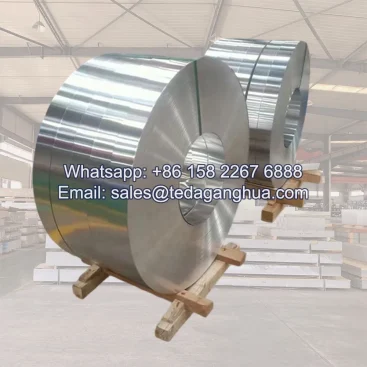 Fornitori di bobine in alluminio Prodotti in alluminio professionista
Prezzo della bobina in foglio di alluminio
I coils in lamiera di alluminio sono generalmente più convenienti rispetto a quelli in acciaio inossidabile, soprattutto quando il peso e la flessibilità di fabbricazione sono fondamentali. Mentre l'acciaio inossidabile offre una maggiore resistenza e un'estrema resistenza alla corrosione, alluminio…
-
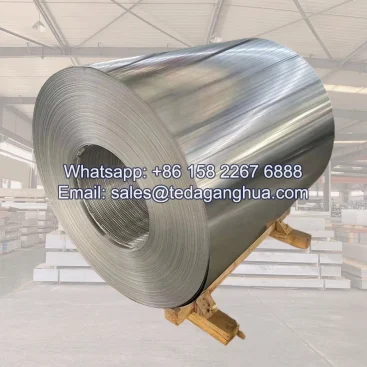 Fornitori di bobine in alluminio Prodotti in alluminio professionista
Stock di bobine in alluminio in vendita
Teda Ganghua è un fornitore affidabile di bobine di alluminio e una fabbrica di lavorazione, offrendo materiali di alta qualità, lavorazione versatile, e servizio professionale. Sia che tu abbia bisogno di bobine di alluminio standard o di lavorazioni personalizzate…
-
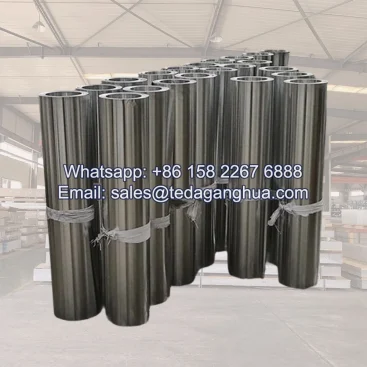 Fornitori di bobine in alluminio Prodotti in alluminio professionista
Bobina in alluminio verniciato
Le bobine in alluminio verniciato uniscono la leggerezza, resistente alla corrosione, e proprietà di formabilità dell'alluminio con rivestimenti di vernice decorativi e protettivi. Queste caratteristiche li rendono altamente adatti alla costruzione, trasporto, produzione di elettrodomestici,…