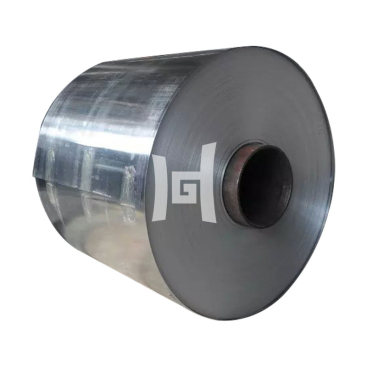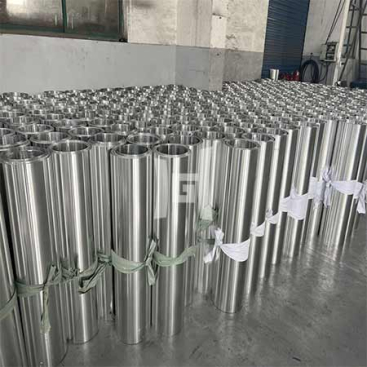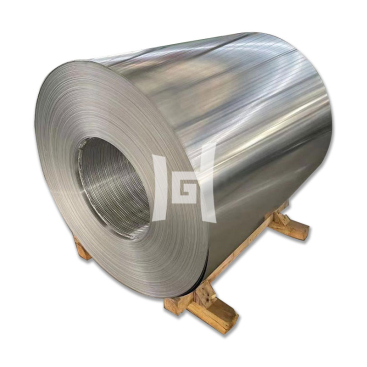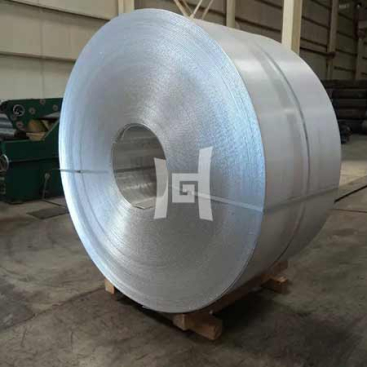
- Descrição
- Investigação
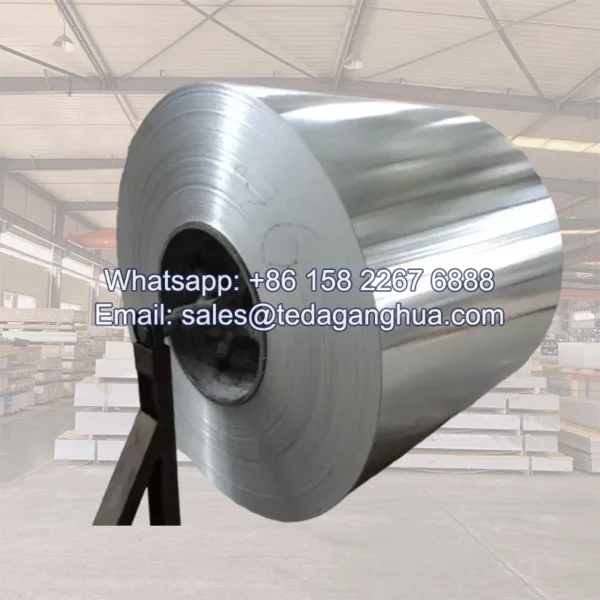
When selecting aluminum for architectural and decorative applications, the appearance of the finished surface can be just as important as the material itself. 5005 aluminum coil is widely considered for projects requiring decorative anodizing, consistent surface appearance, resistência mecânica moderada, e boa conformabilidade. It is particularly suitable for applications where multiple panels must maintain a visually coordinated finish. The main purchasing consideration is not simply the alloy designation, but how consistently the material performs throughout the anodizing process.
Por que escolher 5005 Aluminum for Decorative Anodizing?
5005 belongs to the 5xxx aluminum-magnesium alloy series. Its composition and metallurgical characteristics make it a suitable choice for decorative anodized sheet applications. Compared with materials selected primarily for structural strength, this grade is often preferred when the final surface appearance is an important part of the product specification.
Anodizing creates a protective aluminum oxide layer on the metal surface. No entanto, the resulting color and visual texture can be influenced by the original material, condições de rolamento, preparação de superfície, e parâmetros de anodização. Selecting an appropriate substrate helps reduce unnecessary variation and makes batch management easier.
The key purchasing principle
For decorative projects, the objective is to achieve a consistent appearance across the entire production batch, rather than simply purchase aluminum with a particular alloy number.
Key Characteristics and Applications
The following table summarizes the practical characteristics that make this material suitable for appearance-oriented manufacturing.
| Key Characteristic | Descrição prática | Typical Application Value |
|---|---|---|
| Anodizing response | Suitable for decorative anodized finishes. | Helps achieve coordinated metallic appearances. |
| Consistência de cor | Requires controlled substrate quality and finishing conditions. | Important for large panels and multiple production batches. |
| Formabilidade | Suitable for bending and stamping under appropriate temper conditions. | Supports decorative fabrication and component manufacturing. |
| Resistência à corrosão | Provides useful resistance to atmospheric corrosion. | Suitable for architectural and indoor decorative applications. |
| Surface suitability | Can be processed for different decorative surface requirements. | Used for appliance panels, signage and decorative sheets. |
How Anodizing Affects Color and Surface Appearance
Anodizing is not simply a protective treatment. For decorative aluminum products, it is also a surface-finishing process that determines the final visual effect. Even when the same alloy designation is used, differences in production history and surface preparation can result in visible variations after treatment.
1. Natural Silver and Metallic Finishes
Natural anodized finishes are commonly selected for architectural panels, decoração de interiores, and appliance components. The finished appearance may range from bright silver to a softer matte metallic effect, depending on the preparation and anodizing process.
2. champanhe, Bronze and Dark Decorative Colors
Colored anodized finishes require additional control over the coloring and oxidation processes. champanhe, bronze, and darker tones may be specified for decorative building components and furniture panels. Buyers should confirm the desired color using an approved physical sample rather than relying exclusively on a written color description.
3. Surface Texture and Visual Uniformity
Escovado, fosco, and other prepared surfaces can produce different visual effects after anodizing. Arranhões, marcas rolantes, contaminação de superfície, and differences in pretreatment may become more noticeable after the oxide layer is formed. Surface inspection before finishing is therefore an important quality-control step.
Formando, Bending and Fabrication Considerations
Besides its decorative finishing characteristics, this alloy offers useful fabrication flexibility. Depending on the selected temper and material thickness, it can be processed through bending, estampagem, corte, and other conventional sheet-metal operations.
- Flexão: Confirme o temperamento, grossura, direção de curvatura, and required inside radius before production.
- Estampagem: Evaluate material condition and forming geometry to avoid surface damage or deformation.
- Corte: Use suitable cutting equipment and handling methods to protect visible surfaces.
- Soldagem: If welding is required before anodizing, discuss filler selection and the possibility of weld-area color differences with the finishing processor.
For appearance-critical components, it is advisable to complete a fabrication and anodizing trial before beginning mass production. This helps identify potential problems before they affect an entire order.
Typical Applications of Decorative Aluminum Coil
Because of its combination of surface-finishing suitability, conformabilidade, e resistência à corrosão, the material is used in several decorative and light-duty manufacturing sectors.
Architectural Cladding
Painéis de parede decorativos, curtain wall interior components, painéis de teto, e acabamentos arquitetônicos.
Appliance Panels
Visible appliance components requiring a clean metallic finish and consistent appearance.
Decorative Sheets
Furniture panels, decoração de interiores, display components, and decorative metal products.
Signs and Nameplates
Identification plates, sinalização, rótulos, and other appearance-oriented products.
How to Specify Color Consistency When Purchasing
One of the most important purchasing mistakes is treating the alloy designation as a complete guarantee of the final anodized appearance. Material selection and finishing requirements should be agreed upon together, especially when several coils or production batches will be used for one project.
Important Items to Include in the Purchase Order
| Especificação | O que os compradores devem confirmar |
|---|---|
| Lote de materiais | Whether all visible panels will use material from the same production batch. |
| Condição da superfície | Whether the required finish is mill finish, escovado, or another specified surface condition. |
| Anodizing method | The agreed pretreatment, anodização, coloração, and sealing process. |
| Color reference | An approved physical sample or clearly defined color reference. |
| Critérios de inspeção | Acceptable color variation, condições de visualização, and surface-defect requirements. |
| Batch traceability | Material identification and documentation for each supplied batch. |
Important quality reminder
Color differences discovered after anodizing can be difficult to resolve because responsibility may involve both the original substrate and the finishing process. Agreeing on batch consistency, color samples, and surface treatment before production is much more effective than negotiating color acceptance after delivery.
Fornecimento 5005 Aluminum Coil from Teda Ganghua
Teda Ganghua Metal fornece materiais de alumínio para fabricação industrial, aplicações arquitetônicas, and decorative metal processing. For customers purchasing appearance-sensitive aluminum products, identificação de materiais, inspeção de superfície, batch management, and processing requirements are important parts of the supply process.
Our aluminum product range includes sheet and coil materials for cutting, flexão, estampagem, e outros requisitos de fabricação. Buyers can discuss the required alloy, temperamento, grossura, largura, condição da superfície, and intended anodizing application before confirming an order.
For projects involving decorative panels or anodized components, Teda Ganghua can assist with material selection and specification confirmation. Material test certificates and inspection documentation can be discussed according to the order requirements. Customers are also welcome to arrange inspection before shipment.
Explore nosso produtos de chapas e bobinas de alumínio to find suitable materials for your manufacturing requirements.
Ao solicitar um orçamento, provide the intended application, temperamento necessário, dimensões, condição da superfície, and anodizing expectations. This information helps establish a clearer material specification and reduces the risk of appearance-related disputes during production.
Perguntas frequentes
1. Por que é 5005 aluminum used for decorative anodizing?
It has a favorable response to decorative anodizing and combines useful formability, força moderada, e resistência à corrosão. It is commonly selected for architectural panels, componentes do aparelho, sinalização, and decorative sheet products.
2. Faz 5005 aluminum guarantee identical anodized colors?
Não. The alloy is suitable for decorative anodizing, but identical color results are not guaranteed automatically. Material batches, temperamento, preparação de superfície, condições de anodização, and coloring methods can all affect the final appearance. Sample approval and batch control are recommended.
3. What colors are available after anodizing?
Depending on the finishing process, common decorative options include natural silver, champanhe, bronze, and darker tones. The actual color should be confirmed through an approved sample before mass production.
4. Pode 5005 aluminum coil be bent and stamped?
Sim. It offers useful forming characteristics in suitable tempers. No entanto, raio de curvatura, espessura do material, direção de formação, and surface protection should be evaluated before processing.
5. What should buyers specify when ordering anodizing-quality material?
Os compradores devem confirmar a liga, temperamento, dimensões, condição da superfície, lote de produção, anodizing method, target color, e critérios de inspeção. For large decorative projects, maintaining consistent material batches and approving a sample before production are particularly important.
Produtos relacionados
-
 Fornecedores de bobina de alumínio Produtos profissionais de alumínio
Preço da bobina da folha de alumínio
As bobinas de chapa de alumínio são geralmente mais econômicas do que as de aço inoxidável, especialmente quando o peso e a flexibilidade de fabricação são críticos. Embora o aço inoxidável ofereça maior resistência e extrema resistência à corrosão, alumínio…
-
 1Bobina de alumínio da série xxx, Fornecedores de bobina de alumínio Produtos profissionais de alumínio
1100 Bobina de alumínio
O alumínio TEDA é especializado na pesquisa, desenvolvimento, e produção de enrolado a quente 1100 bobinas de alumínio. Essas bobinas, feito de alumínio puro industrial, oferecer alto alongamento, Excelente força de tração, e excelente…
-
 6Bobina de alumínio da série xxx, Fornecedores de bobina de alumínio Produtos profissionais de alumínio
6061 Bobinas de alumínio de estuque 6061 AMS4025 ASTM B209 6061 Bobina de liga de alumínio 300 milímetros
6061 bobina de alumínio é conhecida por suas excelentes propriedades mecânicas, soldabilidade, e resistência à corrosão, tornando-o uma escolha popular para aplicações de uso geral. Ele vem em vários graus, incluindo o…
-
 Fornecedores de bobina de alumínio Produtos profissionais de alumínio
Estoque de bobina de alumínio preto
O estoque de bobina de alumínio preto atinge sua cor e durabilidade através da preparação da superfície, revestimento de bobina, ou processos de anodização. Combinado com corte de precisão, formação, e controle de qualidade, essas técnicas de processamento criam…
-
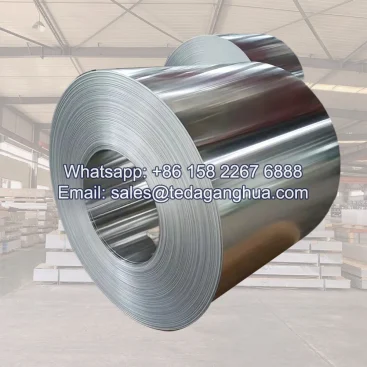 Fornecedores de bobina de alumínio Produtos profissionais de alumínio, Folhas de alumínio
5052 H34
5052 A liga de alumínio H34 é uma têmpera de média-alta resistência do 5052 Série Al-Mg, oferecendo um excelente equilíbrio entre força, resistência à corrosão, e conformabilidade.
Comparado com temperamentos mais suaves, H34 fornece:…
-
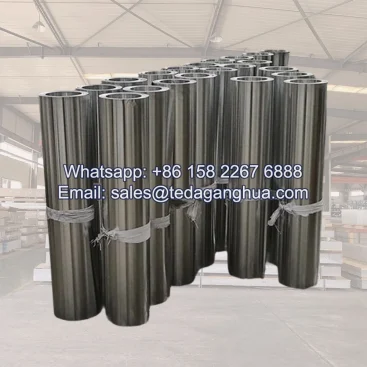 Fornecedores de bobina de alumínio Produtos profissionais de alumínio
Bobina de alumínio pintada
Bobinas de alumínio pintadas combinam o peso leve, resistente à corrosão, e propriedades moldáveis do alumínio com revestimentos de pintura decorativos e protetores. Essas características os tornam altamente adequados para construção, transporte, fabricação de eletrodomésticos,…