
- Sự miêu tả
- Cuộc điều tra
The 5xxx aluminum alloy series is built around magnesium as its principal alloying element. Tuy nhiên, not all alloys in this family offer the same balance of strength, khả năng định hình, và khả năng chống ăn mòn. The amount of magnesium influences how the material behaves during forming, chế tạo, and long-term service. Understanding this relationship is essential when selecting aluminum coil for industrial, kiến trúc, vận tải, và ứng dụng hàng hải.
Rather than treating every grade as an independent product, buyers should understand the 5xxx family as a performance ladder. Moving toward higher magnesium levels generally increases strength, while forming flexibility becomes more limited and certain service-related risks require closer attention.
Why Magnesium Defines the 5xxx Aluminum Series
The 5xxx family is an aluminum-magnesium alloy system. Không giống như các dòng nhôm có khả năng xử lý nhiệt, its strength is primarily developed through solid-solution strengthening and strain hardening. This makes magnesium an important factor in determining the basic performance characteristics of different grades.
As magnesium increases, the material generally becomes stronger. Đồng thời, forming operations may require greater attention to material condition, bending geometry, and processing parameters. For higher-magnesium alloys, prolonged exposure to certain elevated-temperature service conditions can also increase the risk of sensitization and subsequent intergranular corrosion or stress-corrosion cracking.
The fundamental selection principle
Moving toward higher strength generally means giving up some forming flexibility. The correct grade is the position on the magnesium ladder that best matches the manufacturing process and final service environment.
The Magnesium Gradient: Three Performance Levels
The following table provides a qualitative comparison of the three broad performance positions within the alloy family. These categories describe general material tendencies rather than fixed boundaries between individual grades.
| Mức độ magiê | Ưu điểm chính | Main Trade-Offs |
|---|---|---|
| Thấp | Khả năng định hình tốt và chống ăn mòn | Sức mạnh thấp hơn |
| Trung bình | Cân bằng sức mạnh và khả năng định hình | Requires matching the temper to the intended fabrication process |
| Cao | Higher strength and good corrosion resistance in suitable environments | Reduced forming flexibility and increased sensitization concerns under certain service conditions |
Corrosion resistance should not be interpreted as identical across all grades and environments. Tình trạng bề mặt, thành phần hợp kim, fabrication history, nhiệt độ, and exposure conditions all influence actual service performance.
Low Magnesium: When Formability Comes First
At the lower end of the magnesium gradient, the material is generally selected when forming flexibility and corrosion resistance are more important than achieving higher strength.
This position is suitable for products that require bending, dập, shaping, or decorative processing. Manufacturers can benefit from the relatively favorable forming characteristics, particularly when the finished component contains multiple bends or complex shapes.
Những cân nhắc lựa chọn điển hình
- Decorative sheet products requiring surface consistency.
- Components involving repeated bending or forming operations.
- Appliance panels and general fabrication products.
- Applications where moderate strength is sufficient.
When choosing this position, buyers should pay attention to the required temper, độ dày, bán kính uốn, và tình trạng bề mặt. A suitable alloy can still produce poor forming results if the supplied temper does not match the manufacturing process.
Medium Magnesium: Balancing Strength and Formability
The middle of the magnesium gradient represents a practical balance between mechanical performance and fabrication flexibility. These materials are often considered when a component needs more strength than a low-magnesium option but still requires conventional forming and manufacturing operations.
For manufacturers producing enclosures, linh kiện xe, general industrial panels, và các cấu trúc được chế tạo, this balance can reduce the need to compromise excessively between strength and workability.
What Buyers Should Evaluate
- Whether the material can meet the required forming geometry.
- Whether the selected temper provides the required strength and flexibility.
- Whether welding or other joining operations are necessary.
- Whether the finished product will operate in a corrosive environment.
The medium position should not be regarded as a universal solution. Different grades within the same general range can have different processing characteristics, so the exact alloy and temper must be verified before purchasing.
High Magnesium: When Strength Becomes the Priority
At the higher end of the magnesium gradient, the material generally offers greater strength and is commonly considered for demanding structural and transportation applications. Công trình biển, cụm hàn, heavy-duty equipment, and industrial components are among the application areas where higher-strength aluminum-magnesium alloys may be appropriate.
Tuy nhiên, increased strength does not mean that every manufacturing requirement becomes easier. Higher-strength materials may require more careful control of forming operations, dụng cụ, bán kính uốn cong, and fabrication sequence.
The Sensitization Factor
One important consideration for higher-magnesium alloys is sensitization. Under certain temperature and exposure conditions, magnesium-rich phases may precipitate along grain boundaries. This can increase susceptibility to intergranular corrosion and stress-corrosion cracking.
The risk depends on the actual alloy, điều kiện vật chất, lịch sử nhiệt, căng thẳng áp dụng, và môi trường dịch vụ. It is therefore important to evaluate operating temperature and long-term exposure rather than selecting a material based on strength alone.
Important engineering consideration
For higher-magnesium materials, prolonged elevated-temperature exposure should be reviewed during material selection. The applicable service limitations and sensitization requirements must be checked against the exact alloy and relevant technical specifications.
How to Select the Right Position on the 5xxx Ladder
The best selection process begins with the finished product rather than the alloy designation. Buyers should identify the manufacturing requirements and service conditions before deciding how much strength is actually necessary.
| Yêu cầu dự án | Hướng ưa thích | Key Question |
|---|---|---|
| Hình thành phức hợp | Lower magnesium position | Can the material achieve the required bend geometry? |
| Chế tạo công nghiệp tổng hợp | Middle magnesium position | Is the balance between strength and forming sufficient? |
| Cấu trúc hạng nặng | Higher magnesium position | Does the strength meet the design requirement? |
| Ứng dụng hàng hải | Grade selected for the marine environment | Are corrosion, hàn, and service conditions addressed? |
| Dịch vụ nhiệt độ cao | Application-specific alloy selection | Has sensitization risk been evaluated? |
Why Temper and Processing Matter Alongside Magnesium
Magnesium content explains the broad direction of the material properties, but it does not determine the complete performance of a finished product. The temper and processing history also play important roles.
Many alloys in this family are strengthened through cold working. Do đó, two products made from the same alloy can behave differently when supplied in different tempers. A harder temper may provide greater strength but can reduce the available forming flexibility.
Buyers should consider the following factors together:
- ký hiệu hợp kim: Confirm the exact registered grade rather than relying only on the series number.
- tính khí: Select the material condition according to the required forming and mechanical performance.
- Độ dày và chiều rộng: Match dimensions to the production equipment and finished component.
- Fabrication route: Consider bending, dập, hàn, cắt, and other operations.
- Service environment: Review marine exposure, nhiệt độ, nhấn mạnh, and expected operating life.
Sourcing 5xxx Aluminum Coil from Teda Ganghua
Teda Ganghua Metal cung cấp nguyên liệu nhôm cho sản xuất công nghiệp, vận tải, sự thi công, và các ứng dụng liên quan đến hàng hải. As a Tianjin-based steel and aluminum stockist with 20 số năm kinh nghiệm, công ty hỗ trợ người mua cần hỗ trợ lựa chọn nguyên liệu, dimensional confirmation, and customized processing arrangements.
When sourcing this alloy family, Teda Ganghua can assist with discussing the required grade, tính khí, độ dày, chiều rộng, tình trạng bề mặt, và dự định ứng dụng. Available processing requirements can include cutting, sự cắt xén, and other customized fabrication services according to project specifications.
Đối với mua hàng công nghiệp, material identification and quality documentation are also important. Material test certificates and inspection arrangements can be discussed according to the order requirements. Customers are welcome to arrange inspections before shipment to verify the supplied materials.
Khám phá Teda Ganghua sản phẩm tấm nhôm và cuộn for different manufacturing and fabrication requirements.
Khi gửi yêu cầu, provide the intended application, exact alloy, tính khí, kích thước, required quantity, và quá trình chế tạo. For marine or elevated-temperature projects, include the expected service environment so that the material selection can be evaluated more appropriately.
Câu hỏi thường gặp
1. What makes magnesium important in the 5xxx aluminum series?
Magnesium is the principal alloying element and contributes to solid-solution strengthening. Its level influences the general balance between strength, khả năng định hình, and processing requirements across the series.
2. Does higher magnesium always mean better aluminum?
KHÔNG. Higher magnesium generally increases strength, but it can reduce forming flexibility and introduce additional sensitization concerns under certain service conditions. The best choice depends on the final application.
3. Is the 5xxx series suitable for marine applications?
Many grades offer excellent resistance to atmospheric and seawater corrosion. Tuy nhiên, the exact alloy, tính khí, quy trình hàn, điều kiện tiếp xúc, and maintenance requirements should be evaluated for each marine project.
4. Why should buyers consider temper when purchasing aluminum coil?
Temper reflects the material’s processing and strengthening condition. It affects strength, độ cứng, và hình thành hành vi, meaning that the same alloy can perform differently in different tempers.
5. What is sensitization in high-magnesium aluminum alloys?
Sensitization refers to the development of microstructural conditions, commonly involving grain-boundary precipitation, that can increase susceptibility to intergranular corrosion and stress-corrosion cracking. It is an important consideration for certain higher-magnesium alloys exposed to prolonged elevated temperatures.
Sản phẩm liên quan
-
 6Cuộn dây nhôm dòng xxx, Nhà cung cấp cuộn nhôm nhôm sản phẩm nhôm chuyên nghiệp
6061 Cuộn dây nhôm bằng stucco 6061 AMS4025 ASTM B209 6061 Cuộn hợp kim nhôm 300 mm
6061 cuộn dây nhôm nổi tiếng với tính chất cơ học tuyệt vời, Khả năng hàn, và khả năng chống ăn mòn, làm cho nó trở thành một lựa chọn phổ biến cho các ứng dụng có mục đích chung. Nó có nhiều cấp độ khác nhau, bao gồm cả…
-
 Nhà cung cấp cuộn nhôm nhôm sản phẩm nhôm chuyên nghiệp
2024nhôm t3
2024-Nhôm T3 có độ bền cao, hợp kim nhôm gốc đồng được biết đến với hiệu suất cơ học tuyệt vời, chống mỏi, và khả năng chống ăn mòn vừa phải. Thành phần độc đáo và quá trình ủ T3 làm cho nó được ưa chuộng…
-
 Nhà cung cấp cuộn nhôm nhôm sản phẩm nhôm chuyên nghiệp
36 Kho cuộn nhôm rộng
36-cuộn dây nhôm rộng inch cung cấp chiều rộng linh hoạt, độ dày, và các tùy chọn hợp kim, làm cho nó phù hợp cho các tấm kiến trúc, lợp mái, vách ngoài, vận tải, và ứng dụng trang trí. Bằng cách chọn lớp thích hợp…
-
 3Cuộn dây nhôm dòng xxx, Nhà cung cấp cuộn nhôm nhôm sản phẩm nhôm chuyên nghiệp
3004 cuộn nhôm
3004 cuộn nhôm là hợp kim nhôm-mangan cao cấp thuộc dòng 3xxx, cung cấp sức mạnh cao hơn 3003 hợp kim trong khi vẫn duy trì khả năng định hình và chống ăn mòn tuyệt vời. Nó được thiết kế đặc biệt…
-
 Nhà cung cấp cuộn nhôm nhôm sản phẩm nhôm chuyên nghiệp, Tấm nhôm
36 Kho cuộn nhôm rộng
36 cuộn dây nhôm rộng (36 inch / 914 mm) là một trong những chiều rộng cuộn nhôm công nghiệp được sử dụng phổ biến nhất. Nó phục vụ như một vật liệu cơ bản linh hoạt cho…
-
 Nhà cung cấp cuộn nhôm nhôm sản phẩm nhôm chuyên nghiệp, Tấm nhôm
5052 H34
5052 Hợp kim nhôm H34 là loại có độ bền trung bình cao của 5052 Dòng Al-Mg, cung cấp một sự cân bằng tuyệt vời giữa sức mạnh, chống ăn mòn, và tính định dạng.
So với tính khí ôn hòa hơn, H34 cung cấp:…
-
 Nhà cung cấp cuộn nhôm nhôm sản phẩm nhôm chuyên nghiệp, 1Cuộn dây nhôm dòng xxx
1050 cuộn nhôm
các 1050 cuộn dây nhôm là một phần của 1 loạt, có hàm lượng nhôm ít nhất 99.5%, theo tiêu chuẩn quốc tế. Nó có quy trình sản xuất đơn giản, làm…
-
 Nhà cung cấp cuộn nhôm nhôm sản phẩm nhôm chuyên nghiệp
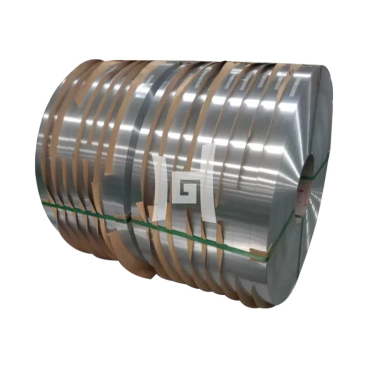
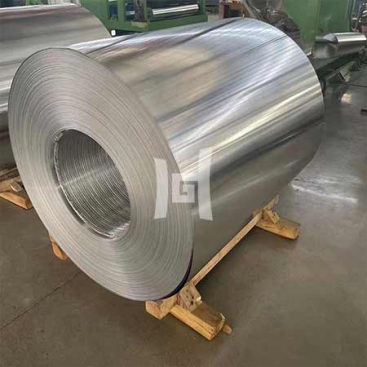
5000 Tấm nhôm cuộn cường độ cao
Teda Ganghua Metal cung cấp một loạt các 5000 Sê -ri cuộn nhôm, bao gồm:5083, 5754, 5086, 5454, 5052, 5251, 5A05, và 5A06
Các ứng dụng điển hình:Đóng tàu
Cấu trúc hàng không vũ trụ
Sản xuất ô tô
Biển báo và…
