- 描述
- 询问
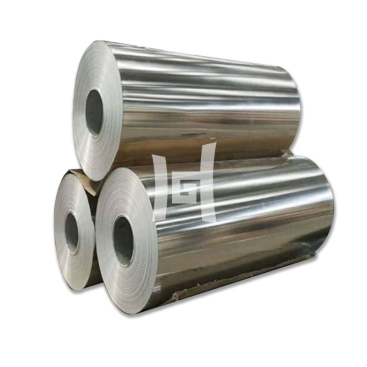
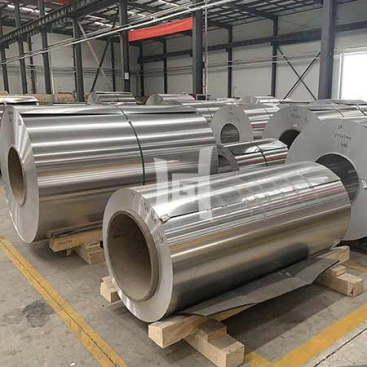
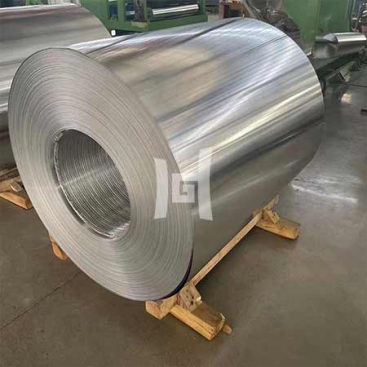
8011 aluminum coil belongs to a group of aluminum alloys closely associated with thin-gauge rolling and foil production. Unlike structural aluminum grades selected mainly for load-bearing performance, 8xxx series alloys are widely used in applications where rolling consistency, 表面质量, 灵活性, and uniformity are essential.
This is why the 8xxx series occupies a different position in the aluminum market. Its commercial identity is closely connected to foil mills, 包装材料, composite structures, closures, and pharmaceutical packaging. The objective is not simply to produce a strong aluminum product, but to manufacture thin material with stable quality throughout continuous rolling and subsequent processing.
For buyers searching for this material, the key question is how the coil will be converted into the final product. Packaging foil, laminated materials, closure stock, and pharmaceutical packaging may all require different surface conditions, rolling characteristics, and downstream processing performance.
Why the 8xxx Series Is Closely Connected to Foil Production
The 8xxx series includes aluminum alloys developed for specialized applications, 和 8011 being a familiar choice in foil and packaging-related markets. Its commercial importance is closely related to the requirements of rolling thin material consistently and supplying it in coil form.
During foil production, aluminum passes through successive rolling stages. As the material becomes thinner, controlling thickness uniformity, 表面状况, 边缘质量, and rolling stability becomes increasingly important. Small inconsistencies can affect the performance of the final foil or the efficiency of downstream converting operations.
Alloy design and rolling process control therefore work together. The material must be suitable for the intended reduction route while maintaining the characteristics required by the final application.
The central idea behind the 8xxx series
The 8xxx series is not simply another group of general-purpose aluminum alloys. It is closely associated with thin-gauge rolling, where the main manufacturing question is whether the material can be rolled thinner and more uniformly while meeting the required quality standards.
Three Common Characteristics of the 8xxx Series
| 因素 | 描述 | Commercial Significance |
|---|---|---|
| Alloy design objectives | Selected alloy systems and processing routes support thin rolling, suitable strength, and stable rolling behavior. | Helps manufacturers achieve consistent foil and thin-strip quality. |
| Typical product form | Coil is a major commercial form, particularly for foil and thin strip. | Supports continuous rolling, 分切, 层压, and converting operations. |
| 典型应用 | 包装, composite materials, closures, and pharmaceutical packaging. | The final product depends on surface, 成型, 密封, and converting requirements. |
These characteristics describe a broad commercial direction rather than a rule that applies identically to every alloy in the 8xxx series. Individual grades have their own specifications and application ranges, so buyers should always confirm the exact alloy and product requirements.
8011 铝卷: A Familiar Choice for Packaging Materials
8011 is widely used in aluminum foil and packaging-related products. It is selected for applications where the material needs to pass through rolling and converting processes and then perform reliably in the final package.
1. Flexible Packaging
Aluminum foil is often used as one layer in flexible packaging structures. It can be combined with polymers, 纸, and other materials to create packaging with specific barrier and processing properties.
在这些应用中, the aluminum layer is only one part of the finished structure. Buyers should consider the intended laminate design, bonding process, 表面要求, and converting method rather than evaluating the foil material in isolation.
2. 药品包装
Pharmaceutical packaging can use aluminum foil as part of blister structures, lidding materials, and other protective packaging formats. The material may need to meet demanding requirements for surface quality, pinhole control, 一致性, and compatibility with the selected packaging process.
For pharmaceutical applications, the complete packaging structure and its compliance requirements must be confirmed. An alloy designation alone does not establish that a material is suitable for a particular medicine or packaging system.
3. Bottle Caps and Closure Stock
Aluminum is used in various closure and cap applications where forming performance, 外貌, and consistent production are important. The material may undergo stamping, 绘画, 压花, or other forming operations depending on the closure design.
Buyers should specify the final cap geometry and production method so that the required material condition and surface quality can be evaluated correctly.
4. Composite and Laminated Materials
8011-related foil products can also be incorporated into composite structures for packaging and industrial applications. The aluminum layer may contribute barrier properties, 外貌, or functional performance as part of a multi-material construction.
对于这些产品, bonding compatibility and surface condition are important. The requirements should be agreed between the aluminum supplier and the downstream laminating or converting manufacturer.
Why Rolling Uniformity Matters More Than a Simple Strength Comparison
When buyers compare structural aluminum alloys, they often focus on strength, 负载能力, 和机械性能. For foil-oriented materials, the evaluation is different. Rolling behavior and finished-surface consistency can have a direct effect on production efficiency and final product quality.
Several factors deserve attention throughout the rolling process:
- 厚度一致性: Uniform material helps maintain stable performance during lamination, 冲压, and packaging conversion.
- 表面质量: Surface condition can influence appearance, 涂层, 印刷, and bonding operations.
- 边缘质量: Slitting and subsequent processing require suitable edge condition and dimensional control.
- Rolling stability: Consistent material behavior supports continuous production and reduces process interruptions.
- 批次一致性: Stable material characteristics help downstream manufacturers maintain repeatable production conditions.
These requirements explain why the suitability of a foil alloy cannot be judged by a single mechanical property. The rolling route, 表面处理, final application, and converting process all contribute to the purchasing decision.
8011 Foil Coil vs. General Aluminum Sheet Coil
Although both products may be supplied in coil form, foil-oriented material and general-purpose aluminum sheet coil are not necessarily interchangeable. Their intended manufacturing routes and quality priorities can be very different.
| 比较 | 8011 Foil-Oriented Coil | General Aluminum Sheet Coil |
|---|---|---|
| 主要用途 | Thin foil and packaging-related production. | 制造, 成型, panel production, and general industrial uses. |
| Key process concern | Thin rolling, 表面质量, and converting performance. | 形成性, 尺寸要求, 和制造行为. |
| Common downstream processes | Lamination, foil converting, 印刷, and packaging production. | 切割, 弯曲, 冲压, and other sheet-metal operations. |
| Buyer priority | Confirm foil application, 表面状况, and rolling quality. | 确认合金, 脾气, 方面, 和制造要求. |
A buyer who needs packaging foil should not rely on a quotation for general aluminum sheet coil without checking whether it meets the intended foil-processing requirements. 同样地, a general sheet-metal application may not need the specialized characteristics of a foil-oriented product.
如何指定 8011 Aluminum Coil Correctly
A clear inquiry helps suppliers understand the intended production route and evaluate whether the offered material is suitable. Buyers should provide the following information whenever possible:
- 应用: Flexible packaging, pharmaceutical packaging, closure stock, composite material, or another end use.
- 产品类型: Foil coil, thin strip, or another rolled product.
- 方面: 所需厚度, 宽度, 线圈内径, and coil weight where applicable.
- 表面要求: 磨机完成, treated surface, or specific requirements for coating, 印刷, or bonding.
- 加工要求: 分切, 层压, 冲压, 绘画, or other downstream operations.
- Quality documentation: 材料测试证书, agreed inspection records, and any application-specific compliance documents.
For packaging applications, it is also useful to explain whether the foil will be used directly or as one layer in a composite structure. This can help clarify surface and converting requirements before production begins.
Common Mistakes When Purchasing Foil-Oriented Aluminum
Choosing by Alloy Number Alone
8011 is a familiar foil alloy, but the grade alone does not define every aspect of the finished product. 脾气, 方面, 表面状况, and processing requirements still need to be specified.
Ignoring the Final Packaging Structure
Foil used in flexible packaging may be laminated with other materials, while closure stock and pharmaceutical packaging have different converting requirements. A supplier needs to understand the final use rather than relying on a general description such as packaging foil.
Treating All Coil Products as Equivalent
General sheet coil and foil-oriented coil may both arrive in wound form, but their manufacturing and quality priorities differ. Confirm the intended rolling and downstream process before accepting a product specification.
Aluminum Coil Sourcing from Teda Ganghua
Teda Ganghua Metal supports industrial buyers with aluminum material sourcing, 规格确认, and customized supply arrangements. 和 20 years of steel stockist experience in Tianjin TEDA, the company works with customers to clarify product requirements and coordinate suitable supply options.
For buyers comparing foil-oriented materials with general rolled products, the intended application should be clearly identified at the inquiry stage. Teda Ganghua can discuss available 铝板及卷材产品 according to the required alloy, 方面, 表面状况, and delivery form.
取决于材料和订单要求, processing arrangements such as cutting, 剪切, and customized sizing can also be discussed. Material test certificates and inspection documentation can be provided or coordinated according to the agreed order requirements. Customers are welcome to arrange inspection before shipment to check material identification, 方面, 包装, and other agreed quality points.
When requesting a quotation for 8011 foil coil, provide the final application, 所需尺寸, 表面要求, and downstream processing method. This allows the supply requirements to be evaluated more accurately than an alloy designation alone.
常见问题解答
1. 是什么 8011 aluminum coil mainly used for?
It is widely used in foil and packaging-related applications, including flexible packaging, pharmaceutical packaging, closure materials, and composite structures. The exact suitability depends on the required product condition and converting process.
2. Why is the 8xxx series associated with aluminum foil?
Several alloys in this series are used in applications that require thin rolling and consistent foil quality. Their commercial role is closely connected to foil production, 包装, and other thin-gauge applications.
3. 是 8011 aluminum coil suitable for pharmaceutical packaging?
It can be used in certain pharmaceutical packaging structures, including foil-based applications. 然而, the complete packaging design, 表面要求, converting process, and applicable compliance requirements must be confirmed.
4. 订购时我应该提供什么信息 8011 foil coil?
提供预期的应用, 合金, 脾气, 厚度, 宽度, coil specifications, 表面要求, 数量, 和所需的文件. If the material will be laminated or converted, explain the downstream process as well.
5. 是 8011 foil coil the same as ordinary aluminum sheet coil?
不. Both may be delivered in coil form, but foil-oriented material is intended for different rolling and converting requirements. Confirm the actual product type and quality specifications before purchasing.
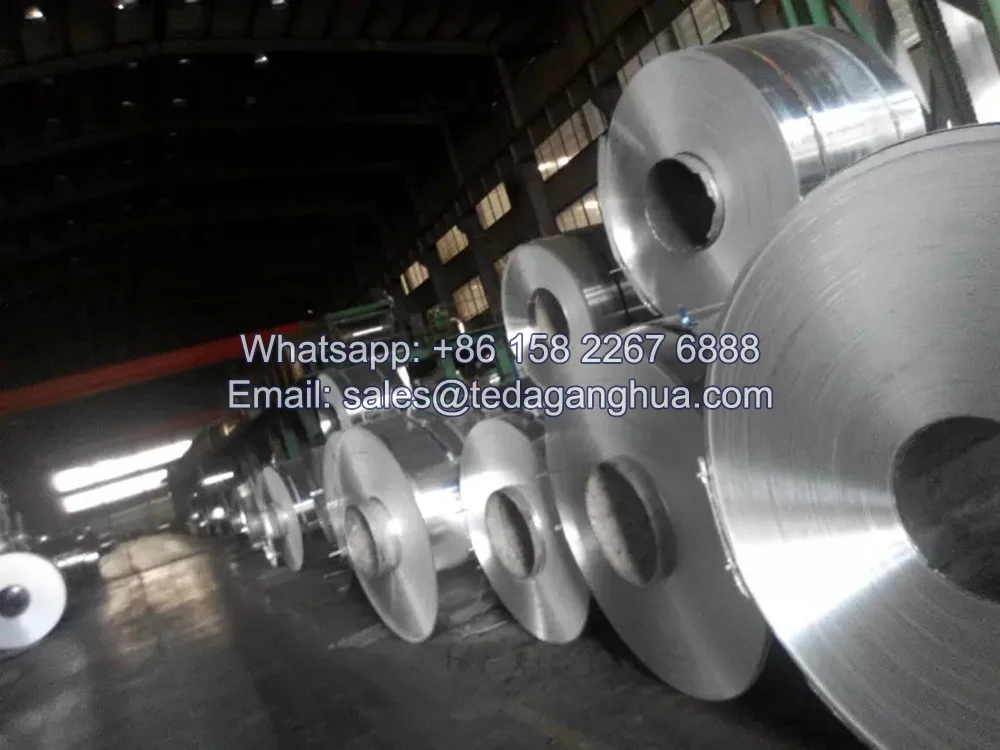
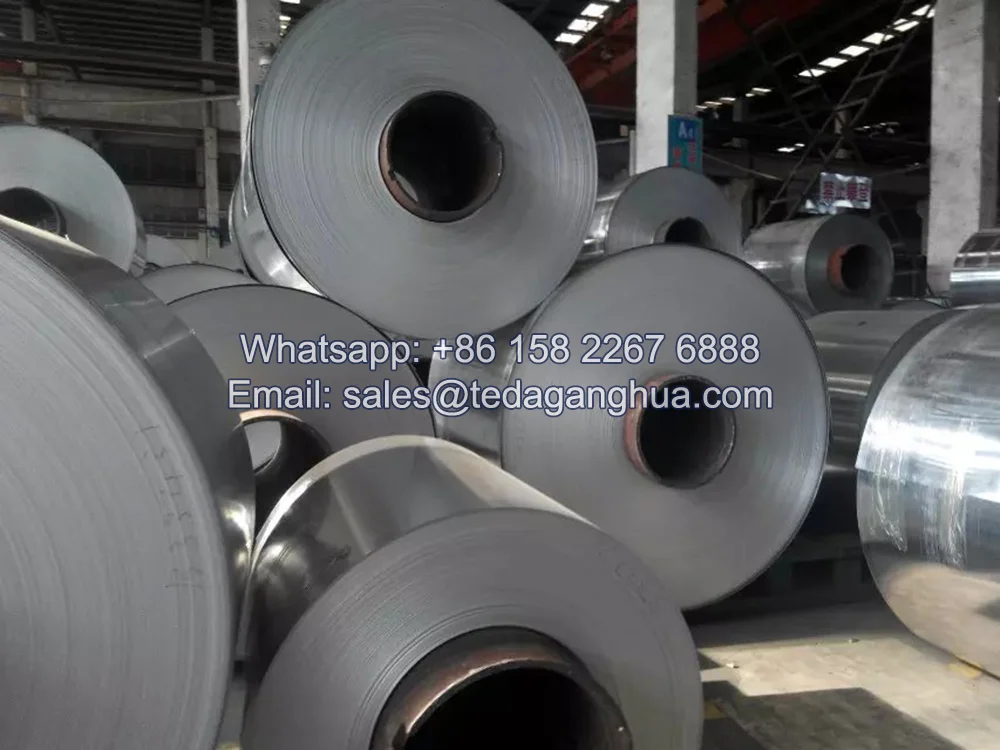
相关产品
-
-
-
-
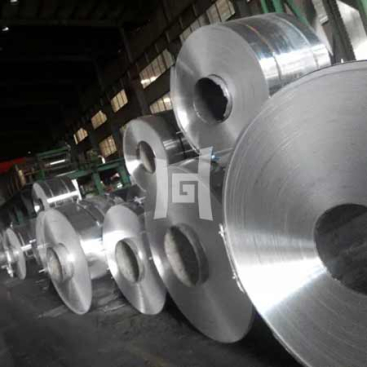 1xxx系列铝卷, 铝线圈供应商专业铝制产品
1100 铝卷
TEDA铝专门从事研究, 发展, 和热卷的生产 1100 铝卷. 这些线圈, 用工业纯铝制成, 提供高伸长率, 出色的拉伸强度, 和杰出…
-
-
-
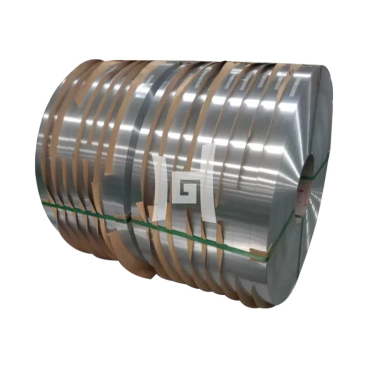
 铝线圈供应商专业铝制产品
5000 系列铝卷 高强度铝板
teda ganghua金属提供广泛的 5000 系列铝线圈, 包括:5083, 5754, 5086, 5454, 5052, 5251, 5A05, 和5A06
典型的应用:造船
航空航天结构
汽车制造
标牌和…