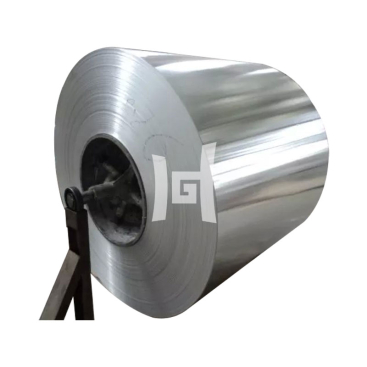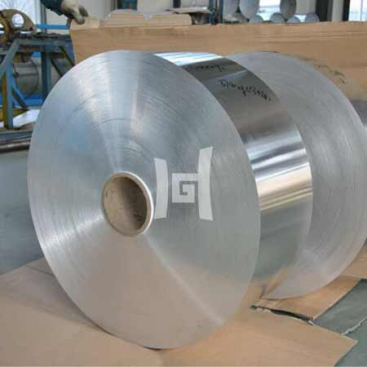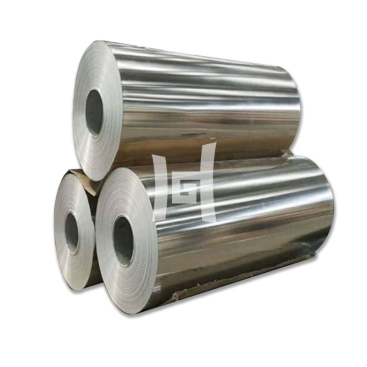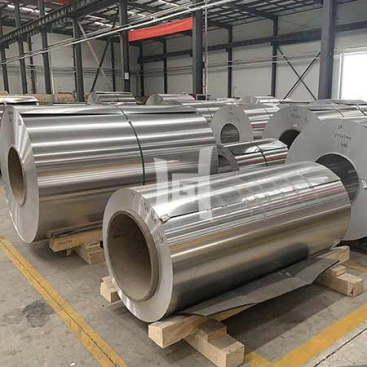
- Beschreibung
- Anfrage
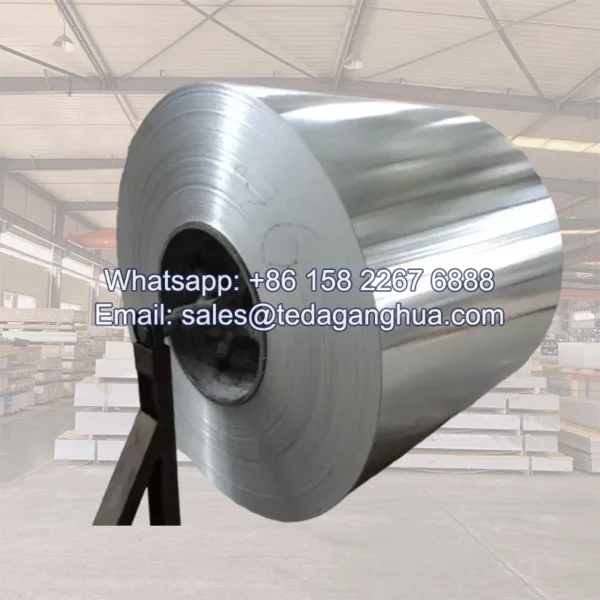
When selecting aluminum for architectural and decorative applications, the appearance of the finished surface can be just as important as the material itself. 5005 aluminum coil is widely considered for projects requiring decorative anodizing, consistent surface appearance, mäßige mechanische Festigkeit, und gute Formbarkeit. It is particularly suitable for applications where multiple panels must maintain a visually coordinated finish. The main purchasing consideration is not simply the alloy designation, but how consistently the material performs throughout the anodizing process.
Warum wählen? 5005 Aluminum for Decorative Anodizing?
5005 belongs to the 5xxx aluminum-magnesium alloy series. Its composition and metallurgical characteristics make it a suitable choice for decorative anodized sheet applications. Compared with materials selected primarily for structural strength, this grade is often preferred when the final surface appearance is an important part of the product specification.
Anodizing creates a protective aluminum oxide layer on the metal surface. Jedoch, the resulting color and visual texture can be influenced by the original material, Rollbedingungen, Oberflächenvorbereitung, und Anodisierungsparameter. Selecting an appropriate substrate helps reduce unnecessary variation and makes batch management easier.
The key purchasing principle
For decorative projects, the objective is to achieve a consistent appearance across the entire production batch, rather than simply purchase aluminum with a particular alloy number.
Key Characteristics and Applications
The following table summarizes the practical characteristics that make this material suitable for appearance-oriented manufacturing.
| Key Characteristic | Praktische Beschreibung | Typical Application Value |
|---|---|---|
| Anodizing response | Suitable for decorative anodized finishes. | Helps achieve coordinated metallic appearances. |
| Farbkonsistenz | Requires controlled substrate quality and finishing conditions. | Important for large panels and multiple production batches. |
| Formbarkeit | Suitable for bending and stamping under appropriate temper conditions. | Supports decorative fabrication and component manufacturing. |
| Korrosionsbeständigkeit | Provides useful resistance to atmospheric corrosion. | Suitable for architectural and indoor decorative applications. |
| Surface suitability | Can be processed for different decorative surface requirements. | Used for appliance panels, signage and decorative sheets. |
How Anodizing Affects Color and Surface Appearance
Anodizing is not simply a protective treatment. For decorative aluminum products, it is also a surface-finishing process that determines the final visual effect. Even when the same alloy designation is used, differences in production history and surface preparation can result in visible variations after treatment.
1. Natural Silver and Metallic Finishes
Natural anodized finishes are commonly selected for architectural panels, Innenausstattung, and appliance components. The finished appearance may range from bright silver to a softer matte metallic effect, depending on the preparation and anodizing process.
2. Sekt, Bronze and Dark Decorative Colors
Colored anodized finishes require additional control over the coloring and oxidation processes. Sekt, Bronze, and darker tones may be specified for decorative building components and furniture panels. Buyers should confirm the desired color using an approved physical sample rather than relying exclusively on a written color description.
3. Surface Texture and Visual Uniformity
Gebürstet, matt, and other prepared surfaces can produce different visual effects after anodizing. Kratzer, Rollspuren, Oberflächenverschmutzung, and differences in pretreatment may become more noticeable after the oxide layer is formed. Surface inspection before finishing is therefore an important quality-control step.
Bildung, Bending and Fabrication Considerations
Besides its decorative finishing characteristics, this alloy offers useful fabrication flexibility. Depending on the selected temper and material thickness, it can be processed through bending, Stempeln, Schneiden, and other conventional sheet-metal operations.
- Biegen: Bestätigen Sie das Temperament, Dicke, Biegerichtung, and required inside radius before production.
- Stempeln: Evaluate material condition and forming geometry to avoid surface damage or deformation.
- Schneiden: Use suitable cutting equipment and handling methods to protect visible surfaces.
- Schweißen: If welding is required before anodizing, discuss filler selection and the possibility of weld-area color differences with the finishing processor.
For appearance-critical components, it is advisable to complete a fabrication and anodizing trial before beginning mass production. This helps identify potential problems before they affect an entire order.
Typical Applications of Decorative Aluminum Coil
Because of its combination of surface-finishing suitability, Formbarkeit, und Korrosionsbeständigkeit, the material is used in several decorative and light-duty manufacturing sectors.
Architectural Cladding
Dekorative Wandpaneele, curtain wall interior components, Deckenpaneele, und architektonische Verkleidungen.
Appliance Panels
Visible appliance components requiring a clean metallic finish and consistent appearance.
Decorative Sheets
Furniture panels, Innenausstattung, display components, and decorative metal products.
Signs and Nameplates
Identification plates, Beschilderung, Etiketten, and other appearance-oriented products.
How to Specify Color Consistency When Purchasing
One of the most important purchasing mistakes is treating the alloy designation as a complete guarantee of the final anodized appearance. Material selection and finishing requirements should be agreed upon together, especially when several coils or production batches will be used for one project.
Important Items to Include in the Purchase Order
| Spezifikation | Was Käufer bestätigen sollten |
|---|---|
| Materialcharge | Whether all visible panels will use material from the same production batch. |
| Oberflächenzustand | Whether the required finish is mill finish, gebürstet, or another specified surface condition. |
| Anodizing method | The agreed pretreatment, Eloxieren, Färbung, and sealing process. |
| Color reference | An approved physical sample or clearly defined color reference. |
| Inspection criteria | Acceptable color variation, Betrachtungsbedingungen, and surface-defect requirements. |
| Batch traceability | Material identification and documentation for each supplied batch. |
Important quality reminder
Color differences discovered after anodizing can be difficult to resolve because responsibility may involve both the original substrate and the finishing process. Agreeing on batch consistency, color samples, and surface treatment before production is much more effective than negotiating color acceptance after delivery.
Beschaffung 5005 Aluminum Coil from Teda Ganghua
Teda Ganghua Metal liefert Aluminiummaterialien für die industrielle Fertigung, Architekturanwendungen, and decorative metal processing. For customers purchasing appearance-sensitive aluminum products, material identification, Oberflächeninspektion, batch management, and processing requirements are important parts of the supply process.
Our aluminum product range includes sheet and coil materials for cutting, Biegen, Stempeln, und andere Fertigungsanforderungen. Buyers can discuss the required alloy, Temperament, Dicke, Breite, Oberflächenzustand, and intended anodizing application before confirming an order.
For projects involving decorative panels or anodized components, Teda Ganghua can assist with material selection and specification confirmation. Material test certificates and inspection documentation can be discussed according to the order requirements. Customers are also welcome to arrange inspection before shipment.
Entdecken Sie unsere Aluminiumblech- und Spulenprodukte to find suitable materials for your manufacturing requirements.
Wenn Sie ein Angebot anfordern, provide the intended application, erforderliches Temperament, Abmessungen, Oberflächenzustand, and anodizing expectations. This information helps establish a clearer material specification and reduces the risk of appearance-related disputes during production.
Häufig gestellte Fragen
1. Warum ist 5005 aluminum used for decorative anodizing?
It has a favorable response to decorative anodizing and combines useful formability, mäßige Stärke, und Korrosionsbeständigkeit. It is commonly selected for architectural panels, Gerätekomponenten, Beschilderung, and decorative sheet products.
2. Tut 5005 aluminum guarantee identical anodized colors?
NEIN. The alloy is suitable for decorative anodizing, but identical color results are not guaranteed automatically. Material batches, Temperament, Oberflächenvorbereitung, Eloxierungsbedingungen, and coloring methods can all affect the final appearance. Sample approval and batch control are recommended.
3. What colors are available after anodizing?
Depending on the finishing process, common decorative options include natural silver, Sekt, Bronze, and darker tones. The actual color should be confirmed through an approved sample before mass production.
4. Kann 5005 aluminum coil be bent and stamped?
Ja. It offers useful forming characteristics in suitable tempers. Jedoch, Biegeradius, Materialstärke, Umformrichtung, and surface protection should be evaluated before processing.
5. What should buyers specify when ordering anodizing-quality material?
Käufer sollten die Legierung bestätigen, Temperament, Abmessungen, Oberflächenzustand, Produktionscharge, anodizing method, target color, und Prüfkriterien. For large decorative projects, maintaining consistent material batches and approving a sample before production are particularly important.
Verwandte Produkte
-
 Aluminiumspulen Lieferanten Professionelle Aluminiumprodukte, 1Aluminiumspule der Serie xxx
1060 Aluminiumspule
1060 Aluminium wird als industrielles Aluminium eingestuft, mit einem Aluminiumgehalt von 99.60%. Es kann nicht durch Wärmebehandlung gestärkt werden. Während seine Scherfestigkeit ähnlich ist wie 1050 Aluminium,…
-
 Aluminiumspulen Lieferanten Professionelle Aluminiumprodukte
Schwarzer Aluminiumspulenschaft
Schwarzes Aluminium-Spulenmaterial erhält seine Farbe und Haltbarkeit durch Oberflächenvorbereitung, Coil-Coating, oder Eloxalverfahren. Kombiniert mit Präzisionsschneiden, Bildung, und Qualitätskontrolle, Diese Verarbeitungstechniken erzeugen…
-
 1Aluminiumspule der Serie xxx, Aluminiumspulen Lieferanten Professionelle Aluminiumprodukte
1100 Aluminiumspule
Teda Aluminium ist auf die Forschung spezialisiert, Entwicklung, und Produktion von heißen Rollten 1100 Aluminiumspulen. Diese Spulen, aus industriellem reinem Aluminium, hohe Dehnung anbieten, Ausgezeichnete Zugfestigkeit, und hervorragend…
-
 1Aluminiumspule der Serie xxx, Aluminiumspulen Lieferanten Professionelle Aluminiumprodukte
1050 Aluminiumspule
Der 1050 Aluminiumspule ist Teil der 1 Serie, mit einem Aluminiumgehalt von mindestens 99.5%, gemäß internationalen Standards. Es hat einen einfachen Produktionsprozess, Herstellung…
-
 Aluminiumspulen Lieferanten Professionelle Aluminiumprodukte
Aluminium-Spulenblech
Aluminium-Coil-Bleche werden hergestellt, indem Aluminium-Coils durch Abwickeln in flache Bleche umgewandelt werden, Nivellierung, und Präzisionsschneidprozesse. Dadurch wird eine hervorragende Ebenheit gewährleistet, Oberflächenqualität, und Maßhaltigkeit.
-
 Aluminiumspulen Lieferanten Professionelle Aluminiumprodukte
Lieferanten von Aluminiumspulen
Teda Ganghua ist ein vertrauenswürdiger Lieferant und Verarbeitungsbetrieb für Aluminiumspulen, Unterstützt durch einen Stahlkonzern mit jahrzehntelanger Erfahrung. Unser professionelles Team, qualifizierte Arbeitskräfte, und Inhouse-Verarbeitung…