- Beschreibung
- Anfrage
The 5xxx aluminum alloy series is built around magnesium as its principal alloying element. Jedoch, not all alloys in this family offer the same balance of strength, Formbarkeit, und Korrosionsbeständigkeit. The amount of magnesium influences how the material behaves during forming, Herstellung, and long-term service. Understanding this relationship is essential when selecting aluminum coil for industrial, architektonisch, Transport, und Marineanwendungen.
Rather than treating every grade as an independent product, buyers should understand the 5xxx family as a performance ladder. Moving toward higher magnesium levels generally increases strength, while forming flexibility becomes more limited and certain service-related risks require closer attention.
Why Magnesium Defines the 5xxx Aluminum Series
The 5xxx family is an aluminum-magnesium alloy system. Im Gegensatz zu wärmebehandelbaren Aluminiumfamilien, its strength is primarily developed through solid-solution strengthening and strain hardening. This makes magnesium an important factor in determining the basic performance characteristics of different grades.
As magnesium increases, the material generally becomes stronger. Gleichzeitig, forming operations may require greater attention to material condition, bending geometry, and processing parameters. For higher-magnesium alloys, prolonged exposure to certain elevated-temperature service conditions can also increase the risk of sensitization and subsequent intergranular corrosion or stress-corrosion cracking.
The fundamental selection principle
Moving toward higher strength generally means giving up some forming flexibility. The correct grade is the position on the magnesium ladder that best matches the manufacturing process and final service environment.
The Magnesium Gradient: Three Performance Levels
The following table provides a qualitative comparison of the three broad performance positions within the alloy family. These categories describe general material tendencies rather than fixed boundaries between individual grades.
| Magnesiumspiegel | Hauptvorteile | Main Trade-Offs |
|---|---|---|
| Niedrig | Gute Formbarkeit und Korrosionsbeständigkeit | Geringere Stärke |
| Medium | Ausgewogene Festigkeit und Formbarkeit | Requires matching the temper to the intended fabrication process |
| Hoch | Higher strength and good corrosion resistance in suitable environments | Reduced forming flexibility and increased sensitization concerns under certain service conditions |
Corrosion resistance should not be interpreted as identical across all grades and environments. Oberflächenzustand, Legierungszusammensetzung, fabrication history, Temperatur, and exposure conditions all influence actual service performance.
Low Magnesium: When Formability Comes First
At the lower end of the magnesium gradient, the material is generally selected when forming flexibility and corrosion resistance are more important than achieving higher strength.
This position is suitable for products that require bending, Stempeln, shaping, or decorative processing. Manufacturers can benefit from the relatively favorable forming characteristics, particularly when the finished component contains multiple bends or complex shapes.
Typische Überlegungen zur Auswahl
- Decorative sheet products requiring surface consistency.
- Components involving repeated bending or forming operations.
- Appliance panels and general fabrication products.
- Applications where moderate strength is sufficient.
When choosing this position, buyers should pay attention to the required temper, Dicke, Biegeradius, und Oberflächenzustand. A suitable alloy can still produce poor forming results if the supplied temper does not match the manufacturing process.
Medium Magnesium: Balancing Strength and Formability
The middle of the magnesium gradient represents a practical balance between mechanical performance and fabrication flexibility. These materials are often considered when a component needs more strength than a low-magnesium option but still requires conventional forming and manufacturing operations.
For manufacturers producing enclosures, Fahrzeugkomponenten, general industrial panels, und gefertigte Strukturen, this balance can reduce the need to compromise excessively between strength and workability.
What Buyers Should Evaluate
- Whether the material can meet the required forming geometry.
- Whether the selected temper provides the required strength and flexibility.
- Whether welding or other joining operations are necessary.
- Whether the finished product will operate in a corrosive environment.
The medium position should not be regarded as a universal solution. Different grades within the same general range can have different processing characteristics, so the exact alloy and temper must be verified before purchasing.
High Magnesium: When Strength Becomes the Priority
At the higher end of the magnesium gradient, the material generally offers greater strength and is commonly considered for demanding structural and transportation applications. Meeresstrukturen, Schweißbaugruppen, heavy-duty equipment, and industrial components are among the application areas where higher-strength aluminum-magnesium alloys may be appropriate.
Jedoch, increased strength does not mean that every manufacturing requirement becomes easier. Higher-strength materials may require more careful control of forming operations, Werkzeuge, Biegeradius, and fabrication sequence.
The Sensitization Factor
One important consideration for higher-magnesium alloys is sensitization. Under certain temperature and exposure conditions, magnesium-rich phases may precipitate along grain boundaries. This can increase susceptibility to intergranular corrosion and stress-corrosion cracking.
The risk depends on the actual alloy, materieller Zustand, thermische Geschichte, angewandter Stress, und Serviceumgebung. It is therefore important to evaluate operating temperature and long-term exposure rather than selecting a material based on strength alone.
Important engineering consideration
For higher-magnesium materials, prolonged elevated-temperature exposure should be reviewed during material selection. The applicable service limitations and sensitization requirements must be checked against the exact alloy and relevant technical specifications.
How to Select the Right Position on the 5xxx Ladder
The best selection process begins with the finished product rather than the alloy designation. Buyers should identify the manufacturing requirements and service conditions before deciding how much strength is actually necessary.
| Projektanforderung | Bevorzugte Richtung | Key Question |
|---|---|---|
| Komplexe Umformung | Lower magnesium position | Can the material achieve the required bend geometry? |
| Allgemeine industrielle Fertigung | Middle magnesium position | Is the balance between strength and forming sufficient? |
| Hochleistungskonstruktionen | Higher magnesium position | Does the strength meet the design requirement? |
| Marineanwendungen | Grade selected for the marine environment | Are corrosion, Schweißen, and service conditions addressed? |
| Elevated-temperature service | Application-specific alloy selection | Has sensitization risk been evaluated? |
Why Temper and Processing Matter Alongside Magnesium
Magnesium content explains the broad direction of the material properties, but it does not determine the complete performance of a finished product. The temper and processing history also play important roles.
Many alloys in this family are strengthened through cold working. Folglich, two products made from the same alloy can behave differently when supplied in different tempers. A harder temper may provide greater strength but can reduce the available forming flexibility.
Buyers should consider the following factors together:
- Legierungsbezeichnung: Confirm the exact registered grade rather than relying only on the series number.
- Temperament: Select the material condition according to the required forming and mechanical performance.
- Dicke und Breite: Match dimensions to the production equipment and finished component.
- Fabrication route: Consider bending, Stempeln, Schweißen, Schneiden, and other operations.
- Service environment: Review marine exposure, Temperatur, Stress, and expected operating life.
Sourcing 5xxx Aluminum Coil from Teda Ganghua
Teda Ganghua Metal liefert Aluminiummaterialien für die industrielle Fertigung, Transport, Konstruktion, und maritime Anwendungen. As a Tianjin-based steel and aluminum stockist with 20 jahrelange Erfahrung, Das Unternehmen unterstützt Käufer, die Hilfe bei der Materialauswahl benötigen, dimensional confirmation, and customized processing arrangements.
When sourcing this alloy family, Teda Ganghua can assist with discussing the required grade, Temperament, Dicke, Breite, Oberflächenzustand, und beabsichtigte Anwendung. Available processing requirements can include cutting, Scheren, and other customized fabrication services according to project specifications.
Für den industriellen Einkauf, material identification and quality documentation are also important. Material test certificates and inspection arrangements can be discussed according to the order requirements. Customers are welcome to arrange inspections before shipment to verify the supplied materials.
Entdecken Sie Teda Ganghuas Aluminiumblech- und Spulenprodukte for different manufacturing and fabrication requirements.
Beim Absenden einer Anfrage, provide the intended application, exact alloy, Temperament, Abmessungen, required quantity, und Herstellungsprozess. For marine or elevated-temperature projects, include the expected service environment so that the material selection can be evaluated more appropriately.
Häufig gestellte Fragen
1. What makes magnesium important in the 5xxx aluminum series?
Magnesium is the principal alloying element and contributes to solid-solution strengthening. Its level influences the general balance between strength, Formbarkeit, and processing requirements across the series.
2. Does higher magnesium always mean better aluminum?
NEIN. Higher magnesium generally increases strength, but it can reduce forming flexibility and introduce additional sensitization concerns under certain service conditions. The best choice depends on the final application.
3. Is the 5xxx series suitable for marine applications?
Many grades offer excellent resistance to atmospheric and seawater corrosion. Jedoch, the exact alloy, Temperament, Schweißverfahren, Belichtungsbedingungen, and maintenance requirements should be evaluated for each marine project.
4. Why should buyers consider temper when purchasing aluminum coil?
Temper reflects the material’s processing and strengthening condition. It affects strength, Härte, und formendes Verhalten, meaning that the same alloy can perform differently in different tempers.
5. What is sensitization in high-magnesium aluminum alloys?
Sensitization refers to the development of microstructural conditions, commonly involving grain-boundary precipitation, that can increase susceptibility to intergranular corrosion and stress-corrosion cracking. It is an important consideration for certain higher-magnesium alloys exposed to prolonged elevated temperatures.
Verwandte Produkte
-
 Aluminiumspulen Lieferanten Professionelle Aluminiumprodukte
Aluminiumspulenbestand zum Verkauf
Teda Ganghua ist ein vertrauenswürdiger Lieferant und Verarbeitungsbetrieb für Aluminiumspulen, hochwertige Materialien anzubieten, vielseitige Verarbeitung, und professionellen Service. Ganz gleich, ob Sie Standard-Aluminiumspulen oder maßgeschneiderte Aluminiumspulen benötigen…
-
 Aluminiumspulen Lieferanten Professionelle Aluminiumprodukte
Aluminiumblechpreis
Aluminiumblech-Coils sind im Allgemeinen kostengünstiger als Edelstahl-Coils, insbesondere wenn Gewicht und Fertigungsflexibilität entscheidend sind. Während Edelstahl eine höhere Festigkeit und extreme Korrosionsbeständigkeit bietet, Aluminium…
-
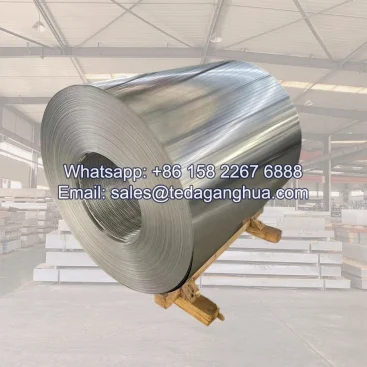 Aluminiumspulen Lieferanten Professionelle Aluminiumprodukte
Aluminium-Spulenblech
Aluminium-Coil-Bleche werden hergestellt, indem Aluminium-Coils durch Abwickeln in flache Bleche umgewandelt werden, Nivellierung, und Präzisionsschneidprozesse. Dadurch wird eine hervorragende Ebenheit gewährleistet, Oberflächenqualität, und Maßhaltigkeit.
-
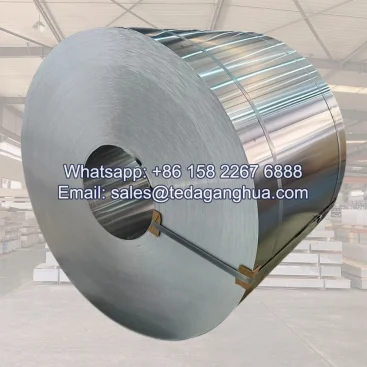 Aluminiumspulen Lieferanten Professionelle Aluminiumprodukte
Aluminium-Spulenblech
Aluminium-Spulenblech vereint geringes Gewicht, Korrosionsbeständigkeit, Formbarkeit, und ästhetische Flexibilität, Dadurch eignet es sich für eine Vielzahl von Anwendungen, von Bau und Transport bis hin zu Geräten und dekorativen Paneelen….
-
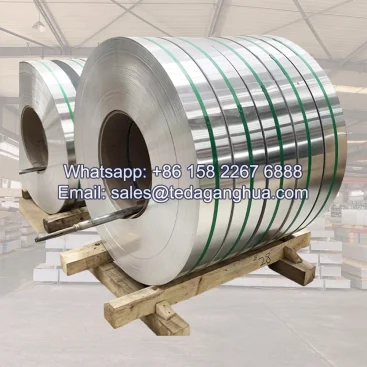 Aluminiumspulen Lieferanten Professionelle Aluminiumprodukte
Spulenmaterial aus weißem Aluminium
Weißes Aluminium-Coilmaterial erhält sein Aussehen hauptsächlich durch die natürliche Oxidschicht, Legierungszusammensetzung, und Oberflächenveredelungsverfahren. Zu den gängigen Noten gehört 1xxx, 3xxx, 5xxx, und 6xxx-Serie, jede…
-
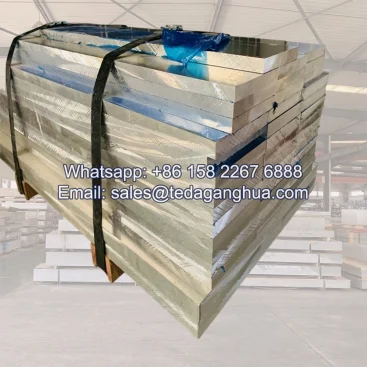 Aluminiumspulen Lieferanten Professionelle Aluminiumprodukte, Aluminiumblätter
Aluminium-Spulenblech
Aluminium-Coilblech ist ein weit verbreitetes Industriematerial, das sowohl in Coil- als auch in Blechform geliefert wird. Seine Spezifikation wird durch die Größe definiert (Breite, Dicke, Länge) und Temperament (O, H,…