- Beschreibung
- Anfrage
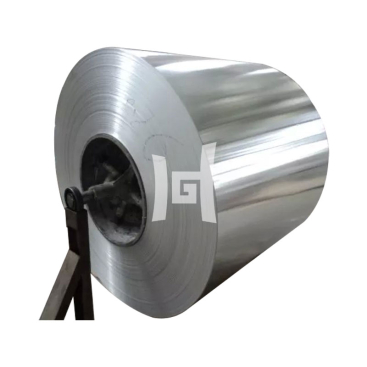
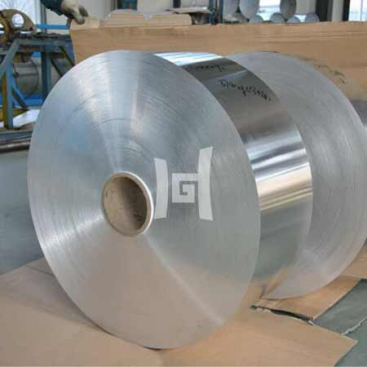
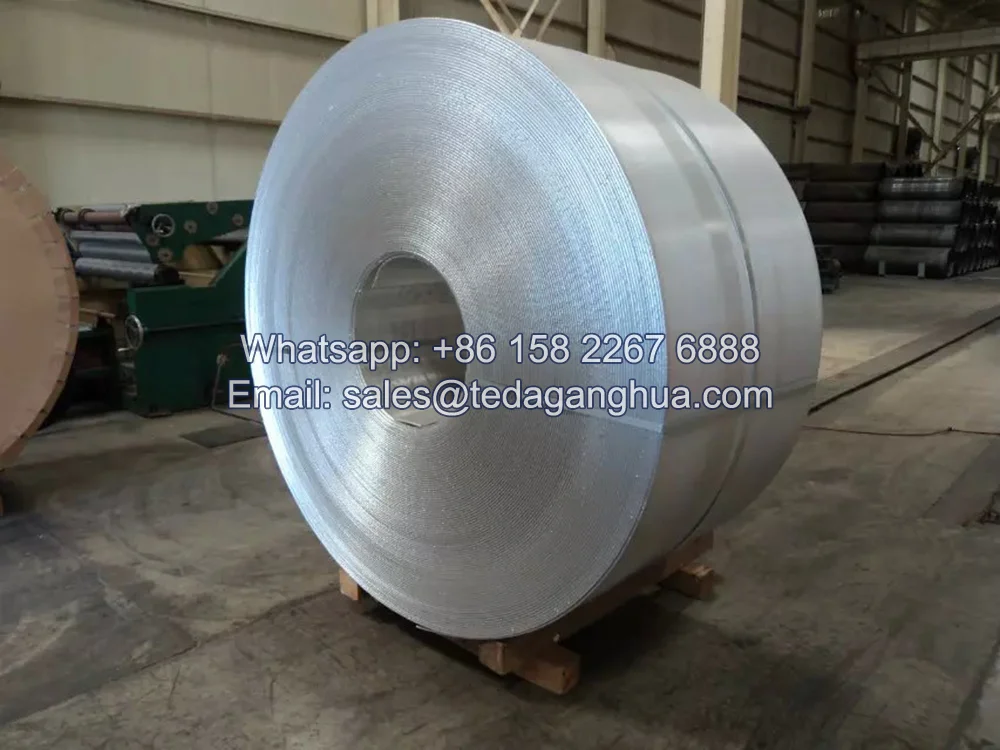
Marine grade aluminium alloy coil is used in shipbuilding, Offshore -Geräte, Meeresstrukturen, and coastal engineering projects. Jedoch, the term “Marinequalität” does not identify one specific aluminum alloy. It describes a material selection based on several factors, including alloy composition, Temperament, mechanische Leistung, Korrosionsbeständigkeit, Schweißanforderungen, and applicable project certification.
For marine aluminum procurement, three alloy categories often serve different structural roles. Some are selected for moderate strength and good formability, others are designed for higher-strength welded structures, while intermediate options provide a balance between these requirements. Understanding the differences helps buyers select the right material for each part of a vessel rather than treating all marine aluminum as interchangeable.
Marine Grade Is a Material Combination, Not One Alloy
One common purchasing misunderstanding is assuming that specifying a marine-grade alloy automatically guarantees suitability for every marine application. In der Praxis, the alloy designation is only the starting point.
A complete marine aluminum specification should consider three essential elements:
01. Legierung
Determines the basic material characteristics, inklusive Kraft, Korrosionsbeständigkeit, und Schweißbarkeit.
02. Temperament
Definiert den Materialzustand und beeinflusst die Festigkeit, formendes Verhalten, und Fertigungsleistung.
03. Zertifizierung
Establishes whether the supplied material meets the applicable project and inspection requirements.
These three elements must be considered together. An appropriate alloy supplied in an unsuitable temper may not satisfy the design requirements. Ebenfalls, a technically suitable material without the required project documentation may not be acceptable for a regulated marine structure.
The purchasing principle
Marine grade = alloy + Temperament + Zertifizierung. Specifying only the alloy identifies just one part of the material requirement.
Three Roles of Marine Aluminum Alloys
Marine aluminum materials should be selected according to the structural function of each component. Im Allgemeinen, the selection can be divided into three performance positions.
| Material Role | Hauptmerkmale | Typische Marineanwendungen |
|---|---|---|
| Mäßige Festigkeit und gute Formbarkeit | Good fabrication flexibility and useful corrosion resistance. | Aufbauten, interior components, pipe coverings, and formed marine parts. |
| Higher strength for welded structures | Higher structural strength with suitability for welded fabrication in appropriate conditions. | Rumpfstrukturen, load-bearing components, and demanding marine structures. |
| Intermediate performance | A balance between strength, Fertigungsanforderungen, und Serviceleistung. | Structural components selected according to location, Bemessungslasten, und Schweißanforderungen. |
The three roles are not interchangeable. A material suitable for interior panels may not be appropriate for a primary hull structure. Ähnlich, a higher-strength alloy is not automatically the best choice for components requiring extensive forming or complex fabrication.
Understanding the Different Roles of 5083, 5086 Und 5052
Among commonly considered aluminum-magnesium alloys, 5052, 5083, Und 5086 illustrate how different grades can serve different marine manufacturing requirements. Their selection should be based on the actual component design, materieller Zustand, and applicable engineering specifications.
5052: Formability-Oriented Marine Components
5052 is often considered when good formability, Korrosionsbeständigkeit, und mäßige Kraft sind erforderlich. It is suitable for various formed components and general marine applications where the design does not demand the higher structural strength associated with some other aluminum-magnesium alloys.
Typical applications include interior panels, Gerätegehäuse, geformte Abdeckungen, pipe protection components, and selected superstructure parts. It is especially useful where bending and shaping are important manufacturing operations.
5083: Higher-Strength Welded Structures
5083 is widely used in marine structural manufacturing because of its combination of high strength, Korrosionsbeständigkeit gegenüber Meerwasser, und gute Schweißbarkeit. It is commonly considered for hull structures, Schweißbaugruppen, and other components subject to demanding structural requirements.
Jedoch, material condition and welding-related property changes must be considered during engineering and procurement. The suitability of a particular supply condition should be confirmed against the design specification rather than assumed from the alloy designation alone.
5086: An Intermediate Structural Option
5086 provides another option for marine structures where strength, Korrosionsbeständigkeit, and welding performance need to be balanced. It can be considered for hull-related components, Strukturplatten, and welded marine fabrication, depending on the required material condition and design requirements.
The choice between different structural grades should account for the actual location, Ladebedingungen, welding quantity, and fabrication sequence. Selecting a material simply because it is described as marine grade can overlook important engineering differences.
Marine Aluminum Coil vs. Aluminiumplatte
Alloy selection is only one part of marine material procurement. Product form also influences manufacturing efficiency, Dimensionskontrolle, delivery arrangements, und Inspektionsmethoden.
Although coil and plate can share the same alloy designation, they are not necessarily interchangeable in practical production. The appropriate form depends on the dimensions and fabrication route of the finished component.
| Vergleich | Aluminiumspule | Aluminiumplatte |
|---|---|---|
| Produktform | Continuous rolled material supplied in coil form. | Flat material supplied in individual sheets or plates. |
| Produktionstauglichkeit | Continuous forming, Rollformen, and long-length components. | Fixed-size structural parts and individual cut components. |
| Dimensional planning | Requires consideration of coil width, Dicke, Innendurchmesser, und Gewicht. | Requires consideration of length, Breite, Dicke, und Ebenheit. |
| Verarbeitung | Suitable for continuous feeding and repeated processing operations. | Geeignet zum Schneiden, Bearbeitung, and individual structural fabrication. |
| Inspektionsschwerpunkt | Coil identification, Oberflächenzustand, Dickekonsistenz, und Rückverfolgbarkeit. | Individual dimensions, Ebenheit, Oberflächenzustand, und Rückverfolgbarkeit. |
| Typische Anwendung | Long panels, continuous profiles, and repetitive formed components. | Hull panels, structural sections, and fixed-dimension components. |
When Should Marine Buyers Choose Coil?
Coil is particularly useful when the production process involves continuous feeding, repeated forming, or long components that would otherwise require multiple individual sheets. It can improve material utilization and reduce interruptions during suitable manufacturing operations.
Gemeinsame Anwendungen umfassen:
- Continuous roll-formed marine panels.
- Long-length interior and exterior components.
- Repeatedly manufactured covers and protective sections.
- Fabricated components produced through continuous cutting and forming.
Vor der Bestellung, buyers should confirm coil width, Dicke, Innendurchmesser, outside diameter where relevant, Gesamtgewicht, Verpackung, and unwinding requirements. Coil flatness and surface protection should also be evaluated according to the downstream manufacturing process.
When Is Marine Aluminum Plate the Better Choice?
Plate is generally more appropriate when the project requires fixed dimensions, individual structural components, or thicker material for fabrication. It is commonly used in hull construction, structural assemblies, Ausrüstungsbasen, and other applications where individual pieces are cut and joined.
Compared with coil, plate procurement places greater emphasis on individual sheet dimensions, Ebenheit, cutting allowances, and the traceability of each supplied material batch.
For welded structural parts, the selected material condition and welding procedure should be confirmed before production. The design team should also consider how welding affects the mechanical properties of the finished assembly.
A practical form-selection rule
Choose coil for continuous processing and long-length components. Choose plate for fixed-size structural parts. The alloy designation alone does not determine which product form is suitable.
What to Confirm Before Ordering Marine Aluminum
Marine procurement involves more than confirming the grade and product dimensions. The order should clearly define the material condition, Dokumentation, Produktform, and inspection expectations.
| Order Item | Purchasing Requirement |
|---|---|
| Legierung | Specify the exact grade required by the engineering design. |
| Temperament | Confirm the required supply condition against the application and technical specification. |
| Produktform | Identify coil or plate according to the fabrication route. |
| Abmessungen | Dicke angeben, Breite, length or coil weight as applicable. |
| Zertifizierung | Confirm applicable project documentation and acceptance requirements before production. |
| Inspektion | Agree on chemical composition, mechanische Prüfung, Abmessungen, Oberflächenqualität, und Rückverfolgbarkeitsanforderungen. |
| Herstellung | Biegung erkennen, Schneiden, Schweißen, und andere Verarbeitungsanforderungen. |
For projects requiring marine certification, buyers should communicate the applicable approval requirements before material production or shipment. Not every commercially available aluminum product automatically qualifies for every shipbuilding project.
Marine Aluminum Supply from Teda Ganghua
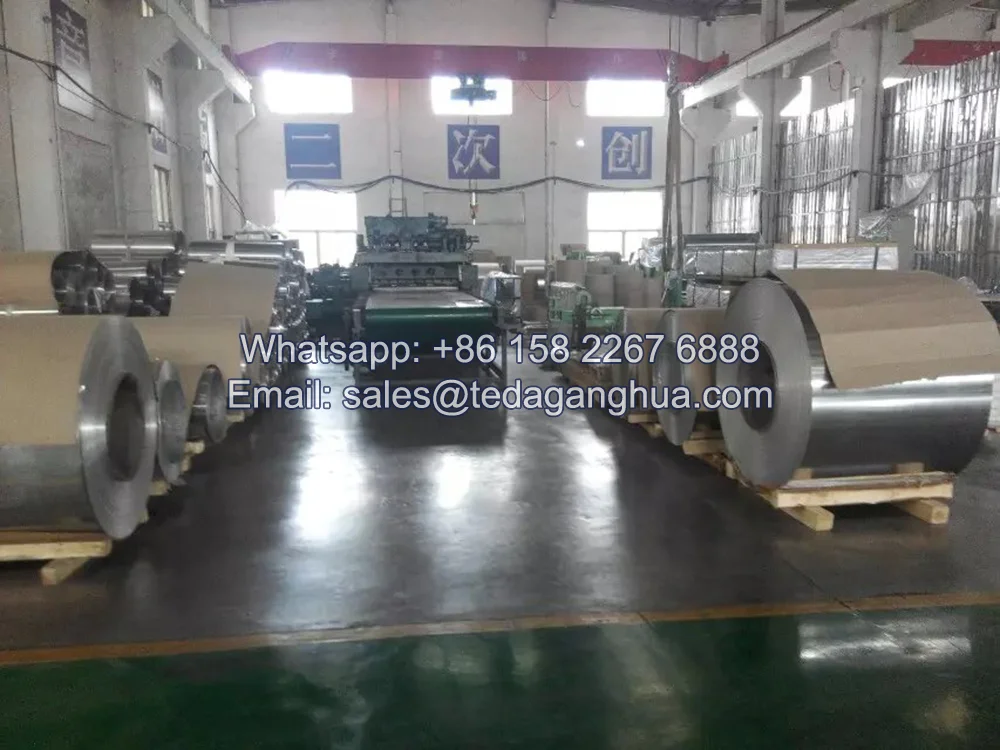
Teda Ganghua Metal supplies aluminum sheet and coil materials for industrial, Konstruktion, Transport, and marine-related manufacturing. Mit 20 Jahre Erfahrung als Stahlhändler in Tianjin TEDA, the company supports international buyers with material sourcing, Spezifikationsbestätigung, und maßgeschneiderte Liefervereinbarungen.
Für Meeresprojekte, selecting the correct alloy and product form is an important part of the procurement process. Teda Ganghua can discuss requirements involving 5052, 5083, 5086, and other aluminum grades according to the customer’s application, Temperament, Abmessungen, and technical specifications.
Available services can include cutting, Scheren, individuelle Größe, and other processing arrangements subject to material specifications. Material test certificates and inspection documentation can be discussed according to the order requirements. Buyers are welcome to arrange inspection before shipment to verify material identification, Abmessungen, and agreed quality requirements.
Entdecken Sie unsere marine aluminum sheet and coil supply range for different fabrication and manufacturing applications.
When contacting Teda Ganghua, provide the intended vessel component, required alloy, Temperament, coil or plate form, Abmessungen, Menge, und Zertifizierungsanforderungen. Clear specifications help establish the appropriate supply arrangement and reduce misunderstandings during procurement.
Häufig gestellte Fragen
1. Is marine grade aluminium a single alloy?
NEIN. Marine grade describes aluminum materials suitable for particular marine applications. The correct selection depends on alloy, Temperament, mechanische Eigenschaften, Korrosionsleistung, and applicable certification requirements.
2. Was ist der Unterschied zwischen 5052, 5083, Und 5086?
These alloys serve different manufacturing and structural requirements. 5052 is often selected for formability and general marine components, während 5083 is widely used for higher-strength welded structures. 5086 provides another structural option where strength, Korrosionsbeständigkeit, and fabrication requirements must be balanced.
3. Is aluminum coil suitable for shipbuilding?
Ja. Coil can be suitable for continuous forming, long-length panels, and repetitive marine components. Jedoch, the alloy, Temperament, Abmessungen, and project approval requirements must be confirmed for the intended application.
4. Should I purchase marine aluminum coil or plate?
Coil is generally preferred for continuous processing and long components, while plate is more suitable for individual structural parts and fixed dimensions. The choice depends on the manufacturing process, Dickenanforderungen, and finished component design.
5. What documents should accompany marine aluminum materials?
Documentation depends on the project specification and applicable approval requirements. Buyers should confirm material test certificates, Aufzeichnungen zur Rückverfolgbarkeit, Inspektionsberichte, and any required project-specific certification before placing the order.
Verwandte Produkte
-
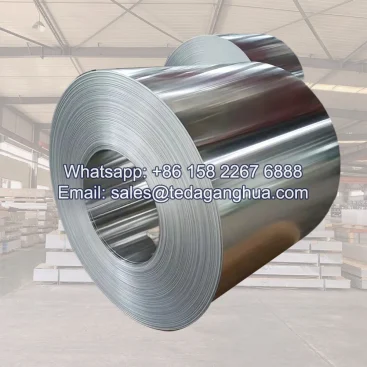 Aluminiumspulen Lieferanten Professionelle Aluminiumprodukte, Aluminiumblätter
5052 H34
5052 Die H34-Aluminiumlegierung hat eine mittlere bis hohe Festigkeit 5052 Al-Mg-Serie, bietet eine hervorragende Balance zwischen Stärke, Korrosionsbeständigkeit, und Formbarkeit.
Im Vergleich zu sanfteren Gemütern, H34 bietet:…
-
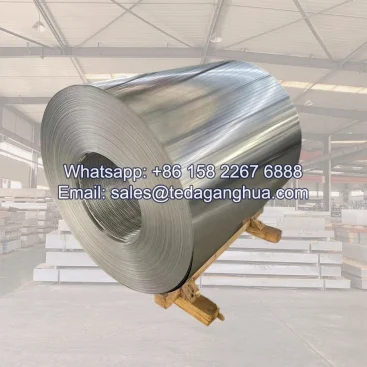 Aluminiumspulen Lieferanten Professionelle Aluminiumprodukte
Aluminium-Spulenblech
Aluminium-Coil-Bleche werden hergestellt, indem Aluminium-Coils durch Abwickeln in flache Bleche umgewandelt werden, Nivellierung, und Präzisionsschneidprozesse. Dadurch wird eine hervorragende Ebenheit gewährleistet, Oberflächenqualität, und Maßhaltigkeit.
-
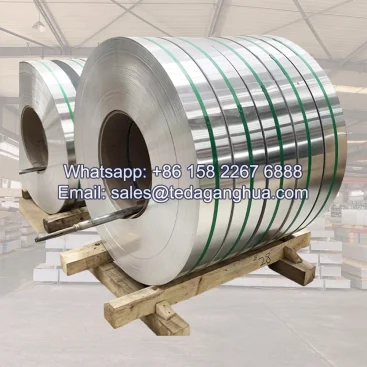 Aluminiumspulen Lieferanten Professionelle Aluminiumprodukte
Spulenmaterial aus weißem Aluminium
Weißes Aluminium-Coilmaterial erhält sein Aussehen hauptsächlich durch die natürliche Oxidschicht, Legierungszusammensetzung, und Oberflächenveredelungsverfahren. Zu den gängigen Noten gehört 1xxx, 3xxx, 5xxx, und 6xxx-Serie, jede…
-
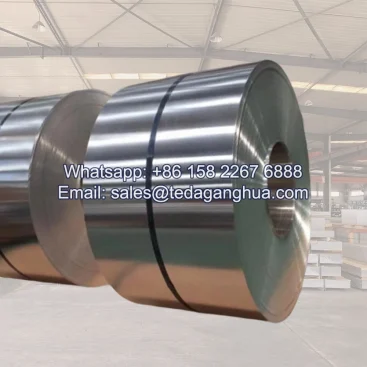 Aluminiumspulen Lieferanten Professionelle Aluminiumprodukte
Schwarzer Aluminiumspulenschaft
Schwarzes Aluminium-Spulenmaterial erhält seine Farbe und Haltbarkeit durch Oberflächenvorbereitung, Coil-Coating, oder Eloxalverfahren. Kombiniert mit Präzisionsschneiden, Bildung, und Qualitätskontrolle, Diese Verarbeitungstechniken erzeugen…
-
 6Aluminiumspule der Serie xxx, Aluminiumspulen Lieferanten Professionelle Aluminiumprodukte
6061 Stuck Aluminiumspulen 6061 AMS4025 ASTM B209 6061 Aluminiumlegierungspule 300 mm
6061 Aluminiumspule ist bekannt für ihre hervorragenden mechanischen Eigenschaften, Schweißbarkeit, und Korrosionsbeständigkeit, Es ist eine beliebte Wahl für allgemeine Anwendungen. Es kommt in verschiedenen Klassen, einschließlich der…
-
 Aluminiumspulen Lieferanten Professionelle Aluminiumprodukte, Aluminiumblätter
36 Breiter Aluminiumspulenschaft
36 breites Aluminiumspulenmaterial (36 Zoll / 914 mm) ist eine der am häufigsten verwendeten industriellen Aluminium-Spulenbreiten. Es dient als flexibles Basismaterial für…
-
 Aluminiumspulen Lieferanten Professionelle Aluminiumprodukte
Aluminiumspulenbestand zum Verkauf
Teda Ganghua ist ein vertrauenswürdiger Lieferant und Verarbeitungsbetrieb für Aluminiumspulen, hochwertige Materialien anzubieten, vielseitige Verarbeitung, und professionellen Service. Ganz gleich, ob Sie Standard-Aluminiumspulen oder maßgeschneiderte Aluminiumspulen benötigen…