- Beschreibung
- Anfrage
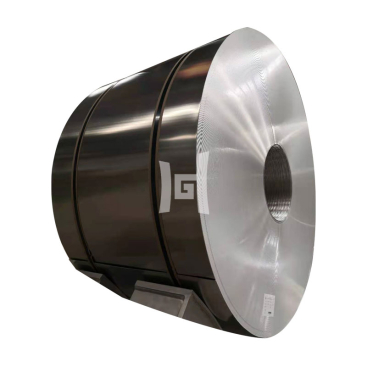
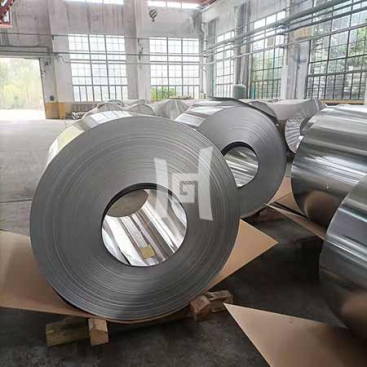
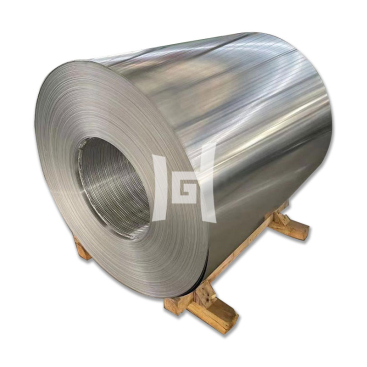
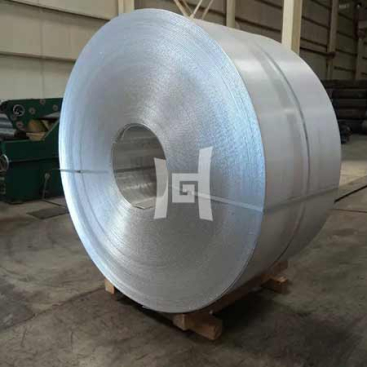
7050 aluminum coil is an unusual product request because this alloy is primarily associated with high-strength aerospace plate and forged components, not conventional rolled coil supply. Its value comes from its ability to support demanding structural applications, particularly where thick-section performance and controlled heat treatment are important.
Für Käufer, die nach diesem Material suchen, the first question should not be the coil width or thickness. It should be whether the supplier can actually produce and deliver the specified alloy in a genuine continuous coil form. In vielen Fällen, the intended product may instead be 7050 Platte, a forged component, or another aluminum alloy with a more suitable coil supply route.
The distinction is important: 7xxx series alloys are precipitation-hardened materials with demanding processing requirements. Their production and heat-treatment considerations make conventional coil supply far less common than plate and forging supply.
Why 7xxx Series Aluminum Coils Are Rare
The 7xxx series is known for high-strength applications, but high strength alone does not make an alloy suitable for every product form. Der Herstellungsweg, Abschnittsdicke, quenching response, and aging process all influence which forms can be produced reliably.
| Grund | Technische Erklärung | Procurement Impact |
|---|---|---|
| Age hardening and quench sensitivity | The final properties depend on controlled solution treatment, Abschrecken, and subsequent aging. Section thickness affects the thermal history and cooling response. | A process designed for thick plate cannot automatically be transferred to thin coil production. |
| Main commercial forms | Thick plate and forged products are established forms for demanding aerospace structural applications. | Buyers are more likely to find plate or forging supply than standard coil stock. |
| Spulenverfügbarkeit | Continuous coil requires a suitable rolling and heat-treatment route, together with qualified production capability. | Treat coil as a project-specific requirement, not a standard catalogue item. |
The key issue is not simply whether a mill can roll the alloy into a thin strip. The complete manufacturing route must deliver the required material condition, Dimensionskonsistenz, und Qualitätsdokumentation. A coil that has been rolled successfully is not necessarily equivalent to a qualified aerospace plate product.
Warum 7050 Was Developed for Thick-Section Performance
7050 is a specialized 7xxx series alloy associated with demanding aerospace structural applications. Its composition design was developed to improve performance in thicker sections, where achieving a suitable quench response throughout the material is a major engineering consideration.
In a thick aluminum section, the surface and interior do not cool at exactly the same rate during quenching. This difference can influence the resulting microstructure and properties across the section. Alloy design and heat-treatment control therefore become especially important when the final component has a substantial cross-section.
This is the central reason for the material’s positioning: 7050 is valued for demanding thick-section applications, rather than because it is an easy alloy to manufacture as thin continuous coil.
The defining purchasing point
The value of 7050 is closely connected to thick-section structural performance. Buyers should begin with the required plate or forged form and only investigate coil when a project has a clearly defined reason for it.
7050 vs. 7075: Similar Series, Different Positioning
7050 Und 7075 are both well-known high-strength aluminum alloys in the 7xxx series. Jedoch, they should not be treated as interchangeable grades. Their application priorities and material-selection considerations are different.
| Vergleich | 7050 | 7075 |
|---|---|---|
| Typische Positionierung | Designed with demanding thick-section aerospace applications in mind. | A widely recognized high-strength alloy used in aerospace and other high-performance structural applications. |
| Material-selection focus | Thick-section performance and quench-response considerations. | High-strength applications where the required product form and service conditions match the grade. |
| Common product forms | Plate and forged components. | Platte, Blatt, extruded products, und Schmiedestücke, depending on specification and supply capability. |
| Coil procurement | Highly specialized and requires direct confirmation. | Also not a routine coil choice; availability depends on product specification and manufacturer capability. |
| Käuferpriorität | Confirm thick-section requirements, Wärmebehandlungszustand, and approved product form. | Confirm the exact grade, Temperament, Produktform, und Bewerbungsvoraussetzungen. |
The practical difference is one of engineering priority, not a simple ranking in which one grade is always better. 7050 is particularly relevant when thick-section performance is central to the design. 7075 is a broadly established high-strength alloy with its own range of product forms and applications.
Für die Beschaffung in der Luft- und Raumfahrt, the final choice must follow the drawing, Materialspezifikation, Temperament, and applicable approval requirements. A general comparison cannot replace project-level material qualification.
Why Thick Plate Is the More Natural Product Form
Thick plate is a major commercial form for this alloy because it supports the production of large structural components that require carefully controlled material properties. Aerospace manufacturers may machine complex parts from plate, while forging routes are used for components that need a shaped, load-bearing structure.
These applications place emphasis on more than nominal alloy identification. Buyers may need to evaluate the material’s condition through the thickness, Dimensionsstabilität, Bearbeitungsverhalten, Inspektionsanforderungen, und Rückverfolgbarkeit.
Aerospace Structural Plate
Plate can provide the starting material for machined structural components. The selected specification and delivery condition should match the engineering requirements for the finished part, including the relevant inspection and documentation provisions.
Forged Components
Forgings are used where the component geometry and structural design benefit from a shaped manufacturing process. The forging route, Wärmebehandlung, and inspection plan must be considered together rather than selecting a grade based only on its reputation for strength.
Specialized Thin Products
Thin strip or coil requirements should be treated separately from standard plate procurement. A supplier needs to confirm whether the requested product can be rolled, wärmebehandelt, inspected, and delivered in the required condition. If the requirement is not supported by an established production route, another product form or alloy may be more practical.
How to Evaluate a 7050 Coil Offer
Because this is not a routine catalogue product, buyers should verify the details behind any quotation. The term “coil” should refer to the actual delivery form, not simply a supplier’s general description of thin aluminum material.
| Verifizierungselement | Frage zum Stellen |
|---|---|
| Produktform | Is it genuine continuous rolled coil, slit strip, or leveled sheet? |
| Manufacturing route | Can the supplier explain the rolling and heat-treatment process used? |
| Materialzustand | What temper and delivery condition are specified in the order? |
| Qualitätsdokumentation | Can the supplier provide material test certificates and agreed inspection records? |
| Application approval | Does the offered material form and condition meet the project’s technical specification? |
For aerospace-related applications, buyers should also confirm the applicable material specification, traceability requirements, and approval status. A commercial quotation alone does not establish that a material is qualified for a particular aircraft structure or safety-critical component.
When Another Aluminum Product May Be More Suitable
If the project requires continuous coil for roll forming, Stempeln, or automated feeding, it may be more effective to evaluate alloys and product forms that are routinely manufactured for those processes. The correct alternative depends on the required strength, Korrosionsleistung, formendes Verhalten, Verbindungsmethode, and final service environment.
If the application requires a high-strength structural material in a substantial section, 7050 plate or a suitable forged product may be a more logical starting point. If the project requires a thin flat product, the buyer should confirm whether a different alloy or a specialized sheet supply route can meet the design requirements.
The purpose is not to replace 7050 automatically with another grade. It is to avoid specifying an unusual product form when the engineering requirement may be better served by a more established supply route.
Aluminum Material Sourcing from Teda Ganghua
Teda Ganghua Metal unterstützt industrielle Einkäufer bei der Beschaffung von Aluminiummaterialien, Spezifikationsbestätigung, und maßgeschneiderte Liefervereinbarungen. Mit 20 Jahre Erfahrung als Stahlhändler in Tianjin TEDA, the company works with customers to clarify product requirements before quotation and shipment.
For buyers comparing aluminum plate, Blatt, und Spule, the first step is to confirm the alloy, Temperament, Abmessungen, Lieferform, und beabsichtigte Anwendung. Teda Ganghua can discuss suitable Aluminiumblech- und Plattenprodukte according to project requirements, together with available cutting and customized sizing arrangements.
For specialized high-strength materials, technical details should be reviewed before an order is confirmed. Buyers can provide drawings, Materialspezifikationen, required documentation, and inspection expectations for supply evaluation. Material test certificates and inspection documentation can be discussed according to the order requirements, and customers are welcome to arrange inspection before shipment.
When requesting a quotation for an uncommon alloy form, clearly identify whether the requirement is for coil, Streifen, Blatt, Platte, or a forged component. This helps avoid confusion between a material designation and the actual manufacturing form.
Häufig gestellte Fragen
1. Ist 7050 aluminum commonly available as coil?
NEIN. It is primarily associated with high-strength plate and forged products. Coil is an uncommon, specialized requirement and must be confirmed with the manufacturer.
2. Why is the 7xxx series difficult to supply as coil?
These alloys rely on controlled heat treatment and precipitation hardening. Quenching response and processing conditions vary with product thickness and manufacturing route, making continuous coil production more specialized than conventional plate supply.
3. What is the main application of 7050 Aluminium?
It is mainly used in demanding aerospace structural applications, particularly where thick-section material performance is important. Plate and forged components are more typical product forms than coil.
4. Was ist der Unterschied zwischen 7050 Und 7075 Aluminium?
Both are high-strength 7xxx series alloys, but their engineering priorities differ. 7050 is particularly associated with thick-section aerospace applications, während 7075 has a broad established range of high-strength applications. The appropriate choice depends on the product form, Temperament, design, und Spezifikation.
5. What information should be included in a coil inquiry?
Geben Sie die genaue Legierung an, Temperament, Dicke, Breite, coil form, required quantity, geltenden Norm, und Verwendungszweck. Also request confirmation of the manufacturing route and supporting quality documentation before accepting the quotation.
Verwandte Produkte
-
 Aluminiumspulen Lieferanten Professionelle Aluminiumprodukte
Aktienkurse für Aluminiumspulen
Die Lagerpreise für Aluminiumspulen werden durch eine Kombination von Materialkosten bestimmt, Spezifikationen, und Verarbeitungsanforderungen, Aber die Lieferfähigkeit ist ebenso wichtig. Mit fertigem Bestand an Aluminium und Edelstahl…
-
 Aluminiumspulen Lieferanten Professionelle Aluminiumprodukte
Aluminiumspulenbestand zum Verkauf
Teda Ganghua ist ein vertrauenswürdiger Lieferant und Verarbeitungsbetrieb für Aluminiumspulen, hochwertige Materialien anzubieten, vielseitige Verarbeitung, und professionellen Service. Ganz gleich, ob Sie Standard-Aluminiumspulen oder maßgeschneiderte Aluminiumspulen benötigen…
-
 Aluminiumspulen Lieferanten Professionelle Aluminiumprodukte
Spulenmaterial aus weißem Aluminium
Weißes Aluminium-Coilmaterial erhält sein Aussehen hauptsächlich durch die natürliche Oxidschicht, Legierungszusammensetzung, und Oberflächenveredelungsverfahren. Zu den gängigen Noten gehört 1xxx, 3xxx, 5xxx, und 6xxx-Serie, jede…
-
 1Aluminiumspule der Serie xxx, Aluminiumspulen Lieferanten Professionelle Aluminiumprodukte
1060 Aluminiumspule
1060 Aluminium wird als industrielles Aluminium eingestuft, mit einem Aluminiumgehalt von 99.60%. Es kann nicht durch Wärmebehandlung gestärkt werden. Während seine Scherfestigkeit ähnlich ist wie 1050 Aluminium,…
-
 Aluminiumspulen Lieferanten Professionelle Aluminiumprodukte
Aluminiumblechpreis
Aluminiumblech-Coils sind im Allgemeinen kostengünstiger als Edelstahl-Coils, insbesondere wenn Gewicht und Fertigungsflexibilität entscheidend sind. Während Edelstahl eine höhere Festigkeit und extreme Korrosionsbeständigkeit bietet, Aluminium…
-
 1Aluminiumspule der Serie xxx, Aluminiumspulen Lieferanten Professionelle Aluminiumprodukte
1100 Aluminiumspule
Teda Aluminium ist auf die Forschung spezialisiert, Entwicklung, und Produktion von heißen Rollten 1100 Aluminiumspulen. Diese Spulen, aus industriellem reinem Aluminium, hohe Dehnung anbieten, Ausgezeichnete Zugfestigkeit, und hervorragend…