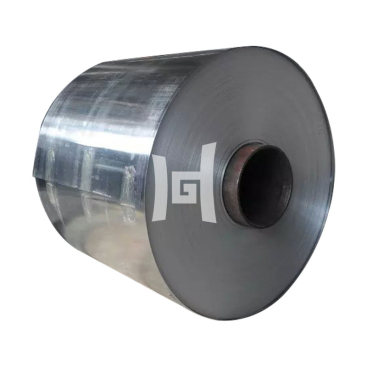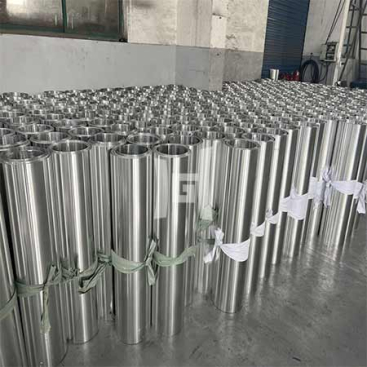
- Description
- Enquête
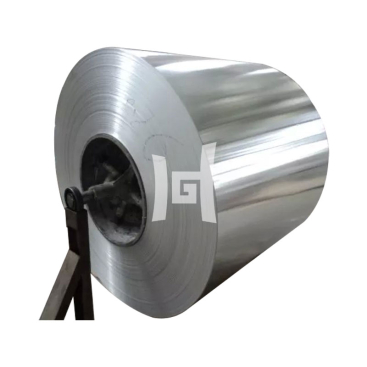
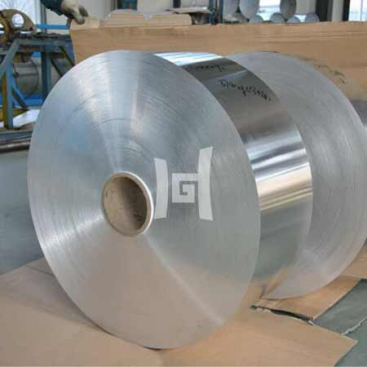
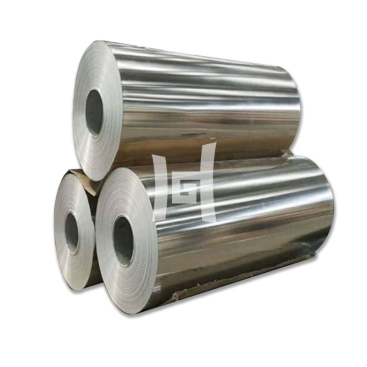
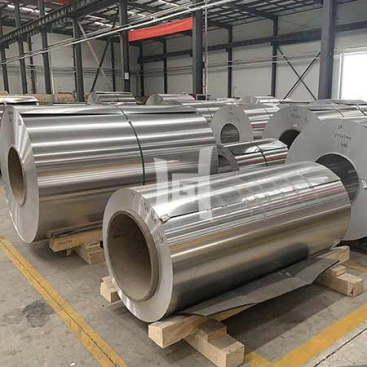
High strength aluminum coil is a common search term in industrial purchasing, fabrication automobile, transport, construction, et applications d'ingénierie. Cependant, the phrase “forte résistance” does not identify one specific aluminum alloy or one particular strengthening mechanism. Different aluminum alloy families achieve higher strength through different metallurgical processes, and these processes create different requirements for forming, soudage, traitement thermique, and material supply.
Before selecting a high-strength material, buyers need to answer one important question: Does the application require higher tensile strength or higher yield strength? These two requirements are related, but they are not interchangeable. The answer can lead to completely different alloy families and manufacturing solutions.
What Does High Strength Mean in Aluminum Coil?
In aluminum engineering, strength is not a single property. Tensile strength and yield strength describe different aspects of material behavior.
- Résistance à la traction: The maximum stress a material can withstand during a tensile test before fracture-related failure occurs.
- Limite d'élasticité: The stress level at which a material begins to undergo permanent deformation under the applicable test definition.
A manufacturer producing a load-bearing component may prioritize resistance to permanent deformation, while another application may focus on the material’s overall tensile performance. Donc, simply requesting high strength without identifying the required property can lead to an unsuitable material selection.
The key purchasing question
When requesting high-strength aluminum coil, specify whether the priority is tensile strength, limite d'élasticité, or both. Then identify the forming, soudage, et les exigences de service.
Two Different Routes to High Strength
Aluminum alloys achieve higher strength through different mechanisms. For industrial coil applications, two important routes are strain hardening and precipitation hardening.
| Strengthening Route | Representative Series | How Strength Increases | Principal compromis |
|---|---|---|---|
| Durcissement | 5xxx | Strength develops through accumulated cold working. | Forming flexibility generally decreases as work hardening increases. |
| Durcissement par précipitation | 6xxx / 7xxx | Strength develops through controlled heat treatment and precipitation. | Requires suitable heat-treatment capability and has a narrower practical coil supply range in many applications. |
These are fundamentally different strengthening routes. They should not be compared as though they were simply two grades offering different strength levels. Their processing histories, final properties, and fabrication requirements are different.
Route One: Strain-Hardened Aluminum in the 5xxx Series
The 5xxx aluminum family uses magnesium as its principal alloying element. Its strength comes mainly from solid-solution strengthening and strain hardening rather than conventional precipitation hardening.
During cold rolling and other deformation operations, the material accumulates plastic strain. This increases resistance to further deformation and improves strength. Cependant, the material generally becomes less flexible for subsequent forming operations as the degree of work hardening increases.
How This Route Works in Coil Production
Aluminum coil is particularly suitable for controlled rolling and continuous processing. By selecting the appropriate alloy and temper, manufacturers can obtain different combinations of strength and formability.
This route is commonly considered for:
- Transportation components requiring a balance of strength and corrosion resistance.
- Marine and industrial fabricated components.
- Structural panels requiring suitable welding characteristics.
- Products where cold-worked material conditions are acceptable.
One important consideration is welding. Welding heat can locally alter the work-hardened condition, resulting in changes to mechanical properties around the weld area. Engineers should therefore evaluate the properties of the finished welded component rather than relying only on the original coil condition.
Route Two: Precipitation-Hardened Aluminum in the 6xxx and 7xxx Series
The 6xxx and 7xxx families achieve strength through heat-treatment-related precipitation mechanisms. Their strengthening process differs significantly from the cold-work-dominated route used by many 5xxx alloys.
6série xxx: Strength and Fabrication Balance
The 6xxx series generally uses magnesium and silicon as its principal alloying elements. Through suitable solution treatment and artificial or natural aging, strengthening precipitates develop within the aluminum matrix.
This family is widely used in transportation, construction, machinerie, and engineered components. Some grades are available in coil form, but the supply condition and production route must be checked carefully.
Pour les acheteurs, the main consideration is whether the required strength, processus de formage, and final temper can be achieved through the available manufacturing route.
7série xxx: Strength-Oriented Applications
The 7xxx series is primarily based on aluminum-zinc alloy systems and can achieve very high strength through controlled precipitation hardening. It is often associated with demanding engineering and transportation applications.
Cependant, high strength does not automatically mean suitability for every industrial coil application. Depending on the specific grade and condition, factors such as stress-corrosion behavior, dureté, limites du soudage, exigences de formation, and processing costs need careful consideration.
Coil availability is also more restricted for many high-performance products because of the processing and heat-treatment requirements. Buyers should confirm whether the requested alloy and temper are commercially available in the required coil dimensions.
Tensile Strength vs. Limite d'élasticité: Which One Should You Specify?
One of the most important steps in purchasing is translating the phrase high strength into a measurable engineering requirement.
| Exigence | What It Evaluates | Problème d'ingénierie typique |
|---|---|---|
| Résistance à la traction | Resistance to tensile loading up to the maximum measured stress. | Load capacity and tensile performance. |
| Limite d'élasticité | Resistance to the onset of permanent deformation. | Dimensional stability and resistance to permanent bending. |
| Élongation | The material’s deformation capacity during tensile testing. | Formability and deformation tolerance. |
A component that must maintain its original shape under repeated loading may place greater emphasis on yield behavior. A component designed around tensile loading may require closer attention to tensile strength and elongation.
These properties should be specified together where necessary. Selecting material solely by its highest tensile strength can produce a poor result if the application also requires forming, soudage, or dimensional stability.
Why High Strength Can Reduce Weldability and Formability
Increasing material strength often introduces additional manufacturing constraints. These trade-offs depend on the alloy family, caractère, épaisseur, et méthode de fabrication.
Formability Considerations
Cold-worked materials generally lose some remaining deformation capacity as work hardening increases. Precipitation-hardened materials may also require specific forming and heat-treatment sequences to achieve the intended final condition.
For coil buyers, rayon de courbure, direction de formage, outillage, and the timing of forming relative to heat treatment should be discussed before selecting the material.
Considérations sur le soudage
Welding introduces localized heat that can change the microstructure and mechanical properties of aluminum alloys. In strain-hardened alloys, the heat-affected zone may lose part of its work-hardened strength. In precipitation-hardened alloys, welding can dissolve or coarsen strengthening precipitates and reduce local strength.
Some high-strength aluminum alloys also have limitations in conventional fusion welding. The exact alloy and joining method must therefore be evaluated together.
Rappel d'ingénierie
Higher strength can mean less forming flexibility and more demanding welding requirements. Never specify high strength without identifying the finished component and its manufacturing process.
How to Choose the Right High-Strength Aluminum Coil
Avant de passer une commande, buyers should define the direction of strength required and then match it with the appropriate alloy family.
| Exigence de candidature | Selection Direction | Important Check |
|---|---|---|
| Cold-worked strength with corrosion resistance | 5Série XXX | Temper and remaining forming capacity. |
| Strength with heat-treatment flexibility | 6Série XXX | Heat-treatment route and final material condition. |
| Very high strength engineering applications | Selected 7xxx grades | Stress-corrosion behavior, joining limitations, et disponibilité. |
| Composants structurels soudés | Application-specific alloy selection | Heat-affected-zone properties and welding procedure. |
| Deep forming or complex bending | Formability-oriented temper and alloy | Élongation, rayon de courbure, and processing sequence. |
What Buyers Should Include in a Coil Inquiry
A useful inquiry should describe the actual engineering requirement instead of simply requesting a high-strength product. The following information helps suppliers evaluate whether the requested material can be supplied in a suitable condition.
- Alloy series or exact grade: Identify the preferred strengthening route or required designation.
- Strength requirements: Specify tensile strength, limite d'élasticité, or both according to the applicable standard.
- Caractère: Confirm the required material condition.
- Dimensions: Prévoir de l'épaisseur, largeur, diamètre intérieur de la bobine, and required weight.
- Fabrication: Describe bending, estampillage, soudage, usinage, or other processing operations.
- Service environment: Identify exposure to corrosion, température, and mechanical loading.
- Documentation: Confirmer les certificats de matériaux, exigences d'inspection, and applicable technical standards.
High-Strength Aluminum Coil Supply from Teda Ganghua
Teda Ganghua Metal fournit des matériaux en aluminium pour la fabrication industrielle, transport, construction, et applications d'ingénierie. Avec 20 years of steel stockist experience in Tianjin TEDA, the company supports international buyers with material sourcing, dimensional confirmation, and customized supply arrangements.
For customers looking for high-strength aluminum coil, selecting the correct alloy family and temper is an important starting point. Teda Ganghua can discuss requirements involving 5xxx, 6xxx, and other aluminum alloy series according to the intended application, dimensions requises, and fabrication conditions.
Les modalités de traitement disponibles peuvent inclure la découpe, tonte, dimensionnement personnalisé, and other services according to material specifications. Material test certificates and inspection documentation can be discussed based on individual order requirements. Customers are welcome to arrange inspection before shipment to verify the supplied materials.
Explorez Teda Ganghua produits en feuilles et bobines d'aluminium for industrial and engineering manufacturing requirements.
Lors de l'envoi d'une demande, please specify whether your priority is tensile strength, limite d'élasticité, or both. Including the final application, exigences de soudage, processus de formage, préférence d'alliage, caractère, and coil dimensions will help establish a more appropriate material specification.
Foire aux questions
1. What does high-strength aluminum coil mean?
It refers to aluminum coil selected for higher mechanical strength requirements. Cependant, the term does not identify one specific alloy. Buyers must clarify the required tensile strength, limite d'élasticité, famille d'alliages, et tempérament.
2. Which aluminum series is used for high-strength applications?
The 5xxx, 6xxx, and 7xxx families can all serve strength-oriented applications, but they use different strengthening mechanisms. The appropriate family depends on forming, soudage, corrosion, et les exigences de service.
3. What is the difference between strain hardening and precipitation hardening?
Strain hardening increases strength through accumulated plastic deformation, while precipitation hardening uses controlled heat treatment to develop strengthening precipitates within the alloy structure.
4. Can high-strength aluminum coil be welded?
Some alloys are suitable for welding, while others have significant joining limitations. Welding heat can also reduce local strength in the heat-affected zone. The exact alloy, caractère, matériau de remplissage, and welding procedure should be evaluated together.
5. What information is needed to purchase high-strength aluminum coil?
Buyers should provide the alloy or series, required strength properties, caractère, épaisseur, largeur, dimensions de la bobine, application prévue, exigences de fabrication, et attentes en matière de documentation.
Produits associés
-
 Fournisseurs de bobines en aluminium Produits en aluminium professionnel
Fournisseurs de stocks de bobines d'aluminium
Teda Ganghua est un fournisseur de bobines d'aluminium et une usine de transformation de confiance., soutenu par un groupe sidérurgique avec des décennies d'expérience. Notre équipe professionnelle, main d'oeuvre qualifiée, et traitement en interne…
-
 Fournisseurs de bobines en aluminium Produits en aluminium professionnel
7075 Feuille d'aluminium
7075 La feuille d'aluminium est une forte résistance, alliage aluminium-zinc aux performances mécaniques et à la résistance à la fatigue exceptionnelles. Bien que sa résistance à la corrosion soit modérée, il est souvent utilisé avec des revêtements protecteurs dans…
-
 Fournisseurs de bobines en aluminium Produits en aluminium professionnel
5000 Feuille d'aluminium haute résistance de bobine d'aluminium de série
Teda Ganghua Metal fournit une large gamme de 5000 bobines d'aluminium en série, y compris:5083, 5754, 5086, 5454, 5052, 5251, 5A05, et 5A06
Applications typiques:Construction navale
Structures aérospatiales
Fabrication automobile
Signalisation et…
-
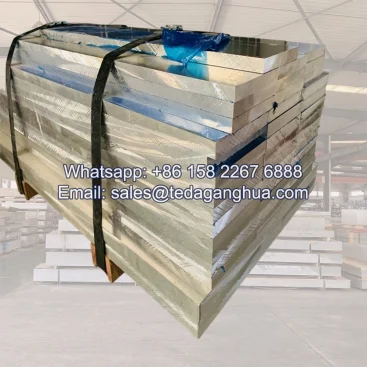 Fournisseurs de bobines en aluminium Produits en aluminium professionnel, Feuilles d'aluminium
Feuille de bobine d'aluminium
La feuille de bobine d'aluminium est un matériau industriel largement utilisé, fourni sous forme de bobine et de feuille.. Sa spécification est définie par la taille (largeur, épaisseur, longueur) et tempérament (Ô, H,…
-
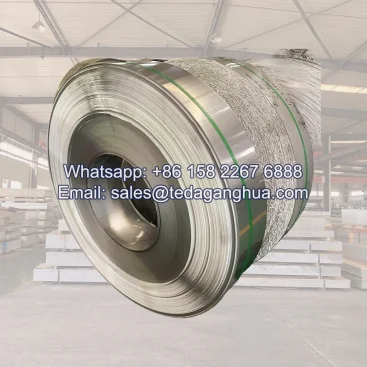 Fournisseurs de bobines en aluminium Produits en aluminium professionnel
36 Large stock de bobines d'aluminium
36-Le stock de bobines d'aluminium d'un pouce de large offre une largeur polyvalente, épaisseur, et options d'alliage, ce qui le rend adapté aux panneaux architecturaux, toiture, revêtement, transport, et applications décoratives. En sélectionnant la bonne note…