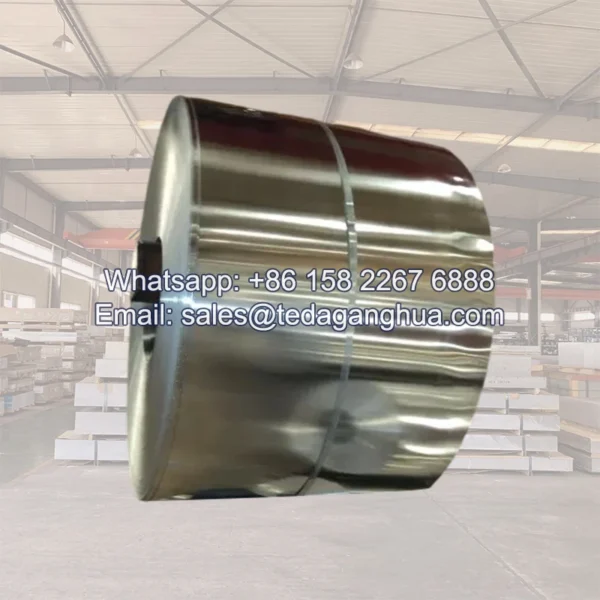
- Description
- Enquête
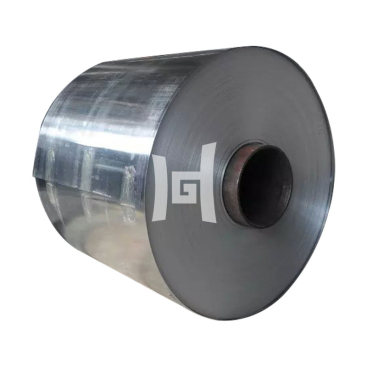
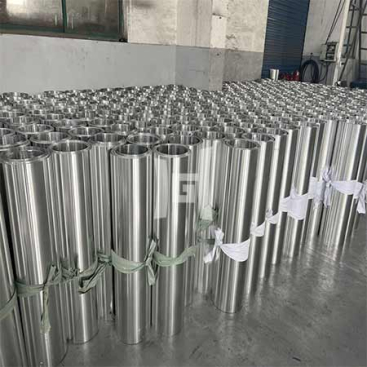
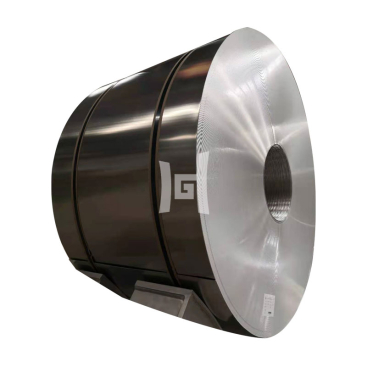
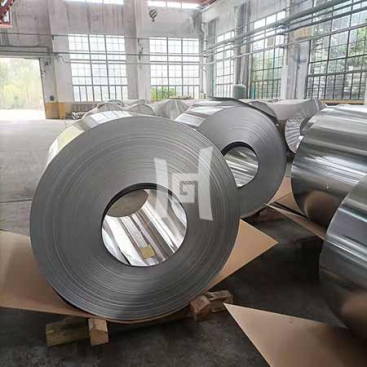
Marine grade aluminium alloy coil is used in shipbuilding, équipement offshore, structures marines, and coastal engineering projects. Cependant, the term “qualité marine” does not identify one specific aluminum alloy. It describes a material selection based on several factors, including alloy composition, caractère, performances mécaniques, résistance à la corrosion, exigences de soudage, and applicable project certification.
For marine aluminum procurement, three alloy categories often serve different structural roles. Some are selected for moderate strength and good formability, others are designed for higher-strength welded structures, while intermediate options provide a balance between these requirements. Understanding the differences helps buyers select the right material for each part of a vessel rather than treating all marine aluminum as interchangeable.
Marine Grade Is a Material Combination, Not One Alloy
One common purchasing misunderstanding is assuming that specifying a marine-grade alloy automatically guarantees suitability for every marine application. En pratique, the alloy designation is only the starting point.
A complete marine aluminum specification should consider three essential elements:
01. Alliage
Determines the basic material characteristics, y compris la force, résistance à la corrosion, et la soudabilité.
02. Caractère
Définit l’état du matériau et influence la résistance, comportement de formation, et performances de fabrication.
03. Attestation
Establishes whether the supplied material meets the applicable project and inspection requirements.
These three elements must be considered together. An appropriate alloy supplied in an unsuitable temper may not satisfy the design requirements. De même, a technically suitable material without the required project documentation may not be acceptable for a regulated marine structure.
The purchasing principle
Marine grade = alloy + caractère + attestation. Specifying only the alloy identifies just one part of the material requirement.
Three Roles of Marine Aluminum Alloys
Marine aluminum materials should be selected according to the structural function of each component. En général, the selection can be divided into three performance positions.
| Material Role | Principales caractéristiques | Applications marines typiques |
|---|---|---|
| Résistance modérée et bonne formabilité | Good fabrication flexibility and useful corrosion resistance. | Superstructures, interior components, pipe coverings, and formed marine parts. |
| Higher strength for welded structures | Higher structural strength with suitability for welded fabrication in appropriate conditions. | Structures de coque, load-bearing components, and demanding marine structures. |
| Intermediate performance | A balance between strength, exigences de fabrication, et performances des services. | Structural components selected according to location, charges de conception, et exigences de soudage. |
The three roles are not interchangeable. A material suitable for interior panels may not be appropriate for a primary hull structure. De la même manière, a higher-strength alloy is not automatically the best choice for components requiring extensive forming or complex fabrication.
Understanding the Different Roles of 5083, 5086 et 5052
Among commonly considered aluminum-magnesium alloys, 5052, 5083, et 5086 illustrate how different grades can serve different marine manufacturing requirements. Their selection should be based on the actual component design, état matériel, and applicable engineering specifications.
5052: Formability-Oriented Marine Components
5052 is often considered when good formability, résistance à la corrosion, et une force modérée est requise. It is suitable for various formed components and general marine applications where the design does not demand the higher structural strength associated with some other aluminum-magnesium alloys.
Typical applications include interior panels, boîtiers d'équipement, couvertures formées, pipe protection components, and selected superstructure parts. It is especially useful where bending and shaping are important manufacturing operations.
5083: Higher-Strength Welded Structures
5083 is widely used in marine structural manufacturing because of its combination of high strength, résistance à la corrosion d'eau de mer, et bonne soudabilité. It is commonly considered for hull structures, assemblages soudés, and other components subject to demanding structural requirements.
Cependant, material condition and welding-related property changes must be considered during engineering and procurement. The suitability of a particular supply condition should be confirmed against the design specification rather than assumed from the alloy designation alone.
5086: An Intermediate Structural Option
5086 provides another option for marine structures where strength, résistance à la corrosion, and welding performance need to be balanced. It can be considered for hull-related components, panneaux structurels, and welded marine fabrication, depending on the required material condition and design requirements.
The choice between different structural grades should account for the actual location, conditions de chargement, welding quantity, and fabrication sequence. Selecting a material simply because it is described as marine grade can overlook important engineering differences.
Marine Aluminum Coil vs. Assiette en aluminium
Alloy selection is only one part of marine material procurement. Product form also influences manufacturing efficiency, contrôle dimensionnel, delivery arrangements, et méthodes de contrôle.
Although coil and plate can share the same alloy designation, they are not necessarily interchangeable in practical production. The appropriate form depends on the dimensions and fabrication route of the finished component.
| Comparaison | Bobine d'aluminium | Assiette en aluminium |
|---|---|---|
| Forme du produit | Continuous rolled material supplied in coil form. | Flat material supplied in individual sheets or plates. |
| Aptitude à la production | Continuous forming, profilage, and long-length components. | Fixed-size structural parts and individual cut components. |
| Dimensional planning | Requires consideration of coil width, épaisseur, diamètre intérieur, et le poids. | Requires consideration of length, largeur, épaisseur, et planéité. |
| Traitement | Suitable for continuous feeding and repeated processing operations. | Convient pour couper, usinage, and individual structural fabrication. |
| Objectif de l'inspection | Coil identification, état de surface, consistance de l'épaisseur, et traçabilité. | Individual dimensions, platitude, état de surface, et traçabilité. |
| Application typique | Long panels, continuous profiles, and repetitive formed components. | Hull panels, structural sections, and fixed-dimension components. |
When Should Marine Buyers Choose Coil?
Coil is particularly useful when the production process involves continuous feeding, repeated forming, or long components that would otherwise require multiple individual sheets. It can improve material utilization and reduce interruptions during suitable manufacturing operations.
Les applications courantes incluent:
- Continuous roll-formed marine panels.
- Long-length interior and exterior components.
- Repeatedly manufactured covers and protective sections.
- Fabricated components produced through continuous cutting and forming.
Avant de commander, buyers should confirm coil width, épaisseur, diamètre intérieur, outside diameter where relevant, poids total, conditionnement, and unwinding requirements. Coil flatness and surface protection should also be evaluated according to the downstream manufacturing process.
When Is Marine Aluminum Plate the Better Choice?
Plate is generally more appropriate when the project requires fixed dimensions, individual structural components, or thicker material for fabrication. It is commonly used in hull construction, structural assemblies, bases d'équipement, and other applications where individual pieces are cut and joined.
Compared with coil, plate procurement places greater emphasis on individual sheet dimensions, platitude, cutting allowances, and the traceability of each supplied material batch.
For welded structural parts, the selected material condition and welding procedure should be confirmed before production. The design team should also consider how welding affects the mechanical properties of the finished assembly.
A practical form-selection rule
Choose coil for continuous processing and long-length components. Choose plate for fixed-size structural parts. The alloy designation alone does not determine which product form is suitable.
What to Confirm Before Ordering Marine Aluminum
Marine procurement involves more than confirming the grade and product dimensions. The order should clearly define the material condition, documentation, forme de produit, et les attentes en matière d'inspection.
| Order Item | Purchasing Requirement |
|---|---|
| Alliage | Specify the exact grade required by the engineering design. |
| Caractère | Confirm the required supply condition against the application and technical specification. |
| Forme du produit | Identify coil or plate according to the fabrication route. |
| Dimensions | Spécifier l'épaisseur, largeur, length or coil weight as applicable. |
| Attestation | Confirm applicable project documentation and acceptance requirements before production. |
| Inspection | Agree on chemical composition, essais mécaniques, dimensions, qualité de surface, et exigences en matière de traçabilité. |
| Fabrication | Identifier la flexion, coupe, soudage, et autres exigences de traitement. |
For projects requiring marine certification, buyers should communicate the applicable approval requirements before material production or shipment. Not every commercially available aluminum product automatically qualifies for every shipbuilding project.
Marine Aluminum Supply from Teda Ganghua
Teda Ganghua Metal supplies aluminum sheet and coil materials for industrial, construction, transport, and marine-related manufacturing. Avec 20 years of steel stockist experience in Tianjin TEDA, the company supports international buyers with material sourcing, confirmation des spécifications, and customized supply arrangements.
Pour les projets marins, selecting the correct alloy and product form is an important part of the procurement process. Teda Ganghua can discuss requirements involving 5052, 5083, 5086, and other aluminum grades according to the customer’s application, caractère, dimensions, and technical specifications.
Available services can include cutting, tonte, dimensionnement personnalisé, and other processing arrangements subject to material specifications. Material test certificates and inspection documentation can be discussed according to the order requirements. Buyers are welcome to arrange inspection before shipment to verify material identification, dimensions, and agreed quality requirements.
Explorez notre marine aluminum sheet and coil supply range for different fabrication and manufacturing applications.
When contacting Teda Ganghua, provide the intended vessel component, required alloy, caractère, coil or plate form, dimensions, quantité, et les exigences de certification. Clear specifications help establish the appropriate supply arrangement and reduce misunderstandings during procurement.
Foire aux questions
1. Is marine grade aluminium a single alloy?
Non. Marine grade describes aluminum materials suitable for particular marine applications. The correct selection depends on alloy, caractère, propriétés mécaniques, performances en matière de corrosion, and applicable certification requirements.
2. Quelle est la différence entre 5052, 5083, et 5086?
These alloys serve different manufacturing and structural requirements. 5052 is often selected for formability and general marine components, alors que 5083 is widely used for higher-strength welded structures. 5086 provides another structural option where strength, résistance à la corrosion, et les exigences de fabrication doivent être équilibrées.
3. Is aluminum coil suitable for shipbuilding?
Oui. Coil can be suitable for continuous forming, long-length panels, and repetitive marine components. Cependant, the alloy, caractère, dimensions, and project approval requirements must be confirmed for the intended application.
4. Should I purchase marine aluminum coil or plate?
Coil is generally preferred for continuous processing and long components, while plate is more suitable for individual structural parts and fixed dimensions. The choice depends on the manufacturing process, exigences d'épaisseur, and finished component design.
5. What documents should accompany marine aluminum materials?
Documentation depends on the project specification and applicable approval requirements. Buyers should confirm material test certificates, enregistrements de traçabilité, rapports d'inspection, and any required project-specific certification before placing the order.
Produits associés
-
 Fournisseurs de bobines en aluminium Produits en aluminium professionnel
36 Large stock de bobines d'aluminium
36-Le stock de bobines d'aluminium d'un pouce de large offre une largeur polyvalente, épaisseur, et options d'alliage, ce qui le rend adapté aux panneaux architecturaux, toiture, revêtement, transport, et applications décoratives. En sélectionnant la bonne note…
-
 Fournisseurs de bobines en aluminium Produits en aluminium professionnel, Feuilles d'aluminium
Feuille de bobine d'aluminium
La feuille de bobine d'aluminium est un matériau industriel largement utilisé, fourni sous forme de bobine et de feuille.. Sa spécification est définie par la taille (largeur, épaisseur, longueur) et tempérament (Ô, H,…
-
 Fournisseurs de bobines en aluminium Produits en aluminium professionnel
Feuille de bobine d'aluminium
La feuille de bobine d'aluminium est produite en transformant des bobines d'aluminium en feuilles plates par déroulement, nivellement, et procédés de découpe de précision. Cela garantit une excellente planéité, qualité de surface, et précision dimensionnelle.
-
 Fournisseurs de bobines en aluminium Produits en aluminium professionnel
Cours des actions de bobines d’aluminium
Les prix des stocks de bobines d'aluminium sont déterminés par une combinaison de coûts de matériaux, caractéristiques, et exigences de traitement, mais la capacité d’approvisionnement est tout aussi importante. Avec un inventaire prêt d'aluminium et d'acier inoxydable…
-
 1Bobine d'aluminium série xxx, Fournisseurs de bobines en aluminium Produits en aluminium professionnel
1050 Bobine d'aluminium
Le 1050 la bobine d'aluminium fait partie du 1 série, avec une teneur en aluminium d'au moins 99.5%, selon les normes internationales. Il a un processus de production simple, fabrication…
-
 Fournisseurs de bobines en aluminium Produits en aluminium professionnel
Stock de bobines d'aluminium noir
La bobine d'aluminium noir obtient sa couleur et sa durabilité grâce à la préparation de la surface, revêtement en bobine, ou processus d'anodisation. Combiné avec une coupe de précision, formation, et contrôle qualité, ces techniques de traitement créent…