- 説明
- 問い合わせ
3000 series aluminum alloys are manganese-based materials developed to provide a practical balance of strength, 成形性, 耐食性. 熱処理可能なアルミニウム合金とは異なります, this series relies primarily on solid-solution strengthening, 第二相粒子, and work hardening to achieve its mechanical properties. Within the series, 3003, 3004, 3005, そして 3105 serve different manufacturing and application requirements. Understanding their differences helps buyers select the appropriate aluminum sheet for general fabrication, パッケージング, heat exchange, そして建築プロジェクト.
1. How Manganese Strengthens 3xxx Aluminum Alloys
Manganese plays the central role in the performance of 3xxx aluminum alloys. When added to aluminum, manganese contributes to solid-solution strengthening and the formation of second-phase particles. These mechanisms improve strength while generally maintaining good corrosion resistance and useful forming characteristics.
One important characteristic of this alloy family is that it is non-heat-treatable. Unlike 2xxx, 6xxx, and 7xxx aluminum alloys, its strength cannot be significantly increased through conventional solution heat treatment and artificial aging. その代わり, manufacturers use cold working, such as rolling and other deformation processes, to increase strength through strain hardening.
Manganese strengthens aluminum through solid-solution effects and second-phase formation, while cold working provides additional strength. This allows 3xxx alloys to combine moderate strength, 良好な成形性, and useful corrosion resistance without relying on heat-treatment strengthening.
2. Four Important Grades and Their Application Positions
Although these alloys belong to the same manganese-based family, すべてのアプリケーションで互換性があるわけではありません. Differences in alloy design, 成形要件, and intended service environments determine which grade is more appropriate.
| 合金グレード | Main Position | Typical Application Directions |
|---|---|---|
| 3003 | General-purpose manganese alloy | General formed components, 熱交換器, 台所用品, and interior building applications |
| 3004 | Magnesium-containing alloy with higher strength potential | Can bodies, 照明コンポーネント, and formed products requiring greater strength |
| 3005 | Strength and corrosion resistance for building applications | 建築用パネル, ルーバー, and decorative building components |
| 3105 | Common architectural sheet and coil alloy | 屋根パネル, 壁の被覆材, 看板, and curtain wall liners |
3. 3003 アルミシート: The General-Purpose Choice
3003 is one of the widely used alloys in the manganese-based aluminum family. 成形性の組み合わせ, 耐食性, and moderate strength makes it suitable for a broad range of industrial and commercial products.
メーカー向け, 3003 is a practical option when components require bending, 形にする, or drawing without demanding the higher strength associated with more specialized alloys. Typical applications include heat exchanger components, キッチン用品, general sheet metal fabrication, and interior architectural products.
Its versatility makes it a useful starting point for material selection. しかし, the final temper and forming process should still be considered because cold-worked conditions can affect both strength and formability.
4. 3004 アルミシート: When Higher Strength Is Required
3004 introduces magnesium as an additional alloying element alongside manganese. This alloy design provides higher strength potential than conventional 3003, making it suitable for applications where structural performance and forming characteristics must be considered together.
A well-known application direction is aluminum can body production. It is also used in lighting components and other formed products where the material needs to maintain its shape during manufacturing and service.
比較する場合 3003 そして 3004, buyers should focus on the actual strength requirements, 成形深さ, and manufacturing process rather than selecting a grade based on alloy designation alone.
5. 3005 アルミシート: Balancing Strength and Outdoor Performance
3005 is another manganese-based alloy developed for applications that require a combination of strength, 成形性, 耐食性. Its application direction is particularly relevant to architectural products and building components exposed to outdoor conditions.
Common uses include architectural panels, ルーバー, and decorative exterior elements. これらの製品については, material selection involves more than the basic alloy designation. 表面処理, コーティングの適合性, drainage design, and the surrounding environment also influence long-term performance.
For outdoor building projects, buyers should evaluate the complete material and finishing system instead of assuming that the alloy grade alone determines weather resistance.
6. 3105 アルミシート: A Common Choice for Roofing and Wall Cladding
3105 is frequently associated with architectural sheet applications, particularly roofing and wall systems. It offers a useful combination of formability, 耐食性, and strength for products manufactured into panels and building components.
Typical application directions include roofing sheets, 壁の被覆材, 看板, and curtain wall liners. Its suitability for architectural production makes it important to consider surface appearance, コーティング要件, 成形作業, and exposure conditions during procurement.
When selecting 3105 for a building project, buyers should confirm whether the material will be painted, コーティングされた, 曲がった, roll-formed, or installed as a flat panel. These processing details help determine the appropriate supply condition.
7. どちらを選択するか 3003, 3004, 3005, そして 3105
There is no single answer to which alloy is the best. The correct selection depends on the balance between strength, 成形要件, および対象となるサービス環境.
ご注文の前に, procurement teams should also confirm the required temper, 成形方法, 表面状態, コーティングの適合性, および適用される材料規格. These details are essential for matching the material to the actual production process.
8. What Buyers Should Confirm Before Purchasing
Choosing an alloy grade is only the first step. A reliable procurement specification should describe the product and its intended processing requirements clearly.
- 合金の指定: Confirm whether the project requires 3003, 3004, 3005, または 3105.
- 気性: Identify the required condition according to the forming and strength requirements.
- 寸法: Confirm the required sheet thickness, 幅, そして長さ.
- 表面状態: ミル仕上げを指定してください, コーティングされた, 塗装された, or other required surface treatments.
- 処理要件: Clarify bending, スタンピング, ロールフォーミング, 切断, and other fabrication operations.
- ドキュメント: Request material test certificates and relevant inspection records.
9. 3000 Series Aluminum Sheet Supply from Teda Ganghua
Teda Ganghua Metal provides aluminum material sourcing and supply services for industrial fabrication, 建築用途, and general manufacturing requirements. As a Tianjin TEDA-based steel and metal stockist with 20 長年の在庫販売員の経験, 同社は材料選択のサポートが必要なバイヤーをサポートしています, 仕様の確認, 輸出志向の供給調整.
For customers evaluating manganese-based aluminum materials, Teda Ganghua can assist with comparing different alloy grades, confirming temper and dimensional requirements, and coordinating suitable material documentation. Processing requirements such as cutting and other customized fabrication operations can also be discussed according to project needs.
探しているバイヤー アルミシート製品 can contact Teda Ganghua with their target alloy, 寸法, 気性, 表面要件, および意図された用途. Third-party inspection arrangements and material test certificates can be discussed before shipment. お客様は納品前に材料を検査することを歓迎します.
よくある質問
1. What makes 3000 series aluminum different from other aluminum alloy families?
Its main alloying element is manganese. The alloy family uses solid-solution strengthening, second-phase formation, and work hardening to achieve useful strength while retaining good corrosion resistance and formability.
2. Can manganese-based aluminum alloys be strengthened by heat treatment?
They are generally classified as non-heat-treatable alloys. Their strength is primarily adjusted through cold working and the resulting strain-hardening effect rather than conventional solution heat treatment and aging.
3. の主な違いは何ですか 3003 そして 3004?
3003 is a general-purpose manganese alloy, その間 3004 contains magnesium in addition to manganese and offers higher strength potential. The choice depends on the required mechanical performance and forming process.
4. Which alloy is commonly used for aluminum roofing sheets?
3105 is commonly associated with roofing and wall cladding applications. しかし, the final selection should also consider coating systems, 成形要件, 環境暴露, and project specifications.
5. は 3005 suitable for outdoor architectural applications?
3005 is used in architectural panels, ルーバー, and decorative building components. Its suitability depends on the service environment, 表面保護, installation design, and the required durability of the complete building system.
関連商品
-
 1000 シリーズ アルミシート, アルミニウムシート, 純アルミニウムシート
1230 アルミシート
厚さ(mm): アルミシート:0.15-6.0 アルミ板:6.0-25.0
幅(mm): 20-2000mm
標準: GB, 彼, から, ASTM
表面処理: つや消し, 鏡, エンボス加工, サンドブラスト加工, 等
気性: O/H111 H112 H116/H321 H12/H22/H32 H14/H24/H34/H16/H26/H36 H18/H28/H38 H114/H194, 等.
タイプ: コイル/シート/ストリップ/プレート
パッケージ: 標準輸出パッケージ,のような… -
 3000 シリーズ アルミシート, アルミニウムシート
3105 アルミシート
なぜTEDA GANGHUAを選ぶのか 3105 アルミシート?
以上で 18 長年の経験, ASTMおよびEN標準の製造と供給を専門としています 3105 競争力のある価格でアルミニウムプレート,… -
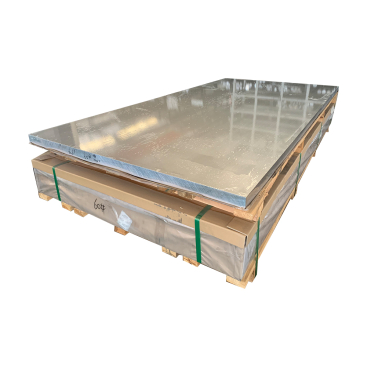
 1000 シリーズ アルミシート, アルミニウムシート, 純アルミニウムシート
1070 アルミシート
1070 アルミニウムシートは、今日世界で2番目に広く使用されている金属です. ltは、あらゆる形にキャストできる多目的な金属です. この軽量の金属…
-
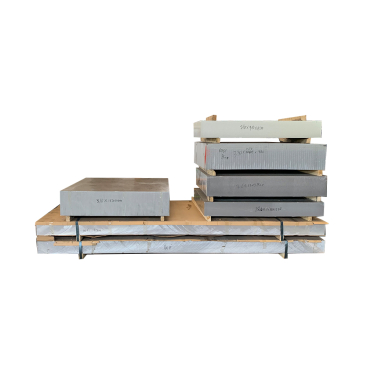
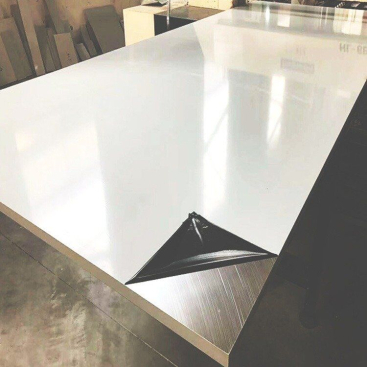 3000 シリーズ アルミシート, アルミニウムシート
3A21アルミニウムシート
Teda Ganghua 3A21アルミニウムを選ぶ理由?
Teda ganghuaは、高品質の3A21アルミニウムシートとさまざまなサイズと気性のプレートを供給しています (○, T3, T4, T6, H111, H112, H116). ホットセラー3A21… -
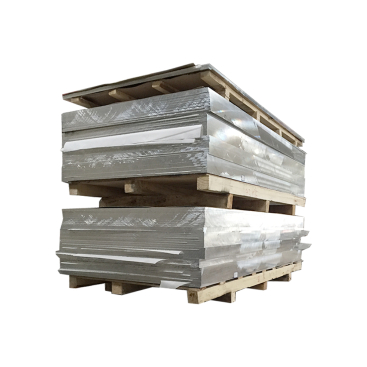
 1000 シリーズ アルミシート, アルミニウムシート, 純アルミニウムシート
1060 アルミニウムプレート
1060 アルミニウム合金 - 概要とアプリケーション
Teda Ganghua Metal Supplies 1060 アルミニウム合金, 少なくともアルミニウム含有量を備えた高純度グレード 99.6%. この合金は優れた溶接性を提供します,… -
 1000 シリーズ アルミシート, アルミニウムシート, 純アルミニウムシート
1200 アルミシート
なぜ私たちを選ぶ?
例外的な品質
多様な製品範囲
テーラードソリューション
信頼性と適時性
技術的な専門知識 -
 5000 シリーズ アルミシート, アルミニウムシート, 船舶用アルミニウムシート
5383 アルミシート
造船に関しては, 5083 アルミニウムプレートは、その高強度のために広く使用されている材料です, 耐食性, 優れた形成性, および溶接性能. 一般に適用されます…