- 説明
- 問い合わせ
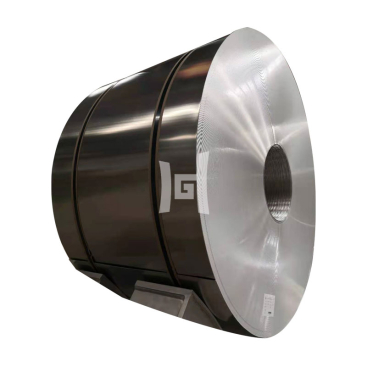
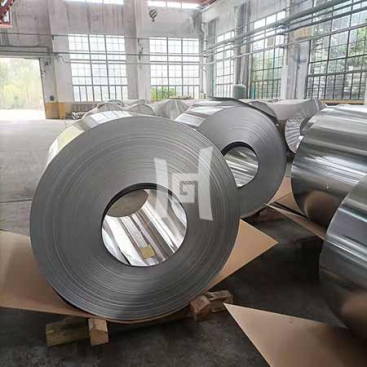
Marine grade aluminium alloy coil is used in shipbuilding, オフショア機器, 海洋構造物, and coastal engineering projects. しかし, the term “マリングレード” does not identify one specific aluminum alloy. It describes a material selection based on several factors, including alloy composition, 気性, 機械的性能, 耐食性, 溶接要件, and applicable project certification.
For marine aluminum procurement, three alloy categories often serve different structural roles. Some are selected for moderate strength and good formability, others are designed for higher-strength welded structures, while intermediate options provide a balance between these requirements. Understanding the differences helps buyers select the right material for each part of a vessel rather than treating all marine aluminum as interchangeable.
Marine Grade Is a Material Combination, Not One Alloy
One common purchasing misunderstanding is assuming that specifying a marine-grade alloy automatically guarantees suitability for every marine application. 実際に, the alloy designation is only the starting point.
A complete marine aluminum specification should consider three essential elements:
01. 合金
Determines the basic material characteristics, 強さも含めて, 耐食性, 溶接性.
02. 気性
材料の状態を定義し、強度に影響を与える, 形成行動, と製造パフォーマンス.
03. 認証
Establishes whether the supplied material meets the applicable project and inspection requirements.
These three elements must be considered together. An appropriate alloy supplied in an unsuitable temper may not satisfy the design requirements. 同じく, a technically suitable material without the required project documentation may not be acceptable for a regulated marine structure.
The purchasing principle
Marine grade = alloy + 気性 + 認証. Specifying only the alloy identifies just one part of the material requirement.
Three Roles of Marine Aluminum Alloys
Marine aluminum materials should be selected according to the structural function of each component. 一般的に, the selection can be divided into three performance positions.
| Material Role | 主な特徴 | 典型的な海洋用途 |
|---|---|---|
| 適度な強度と良好な成形性 | Good fabrication flexibility and useful corrosion resistance. | 上部構造, interior components, pipe coverings, and formed marine parts. |
| Higher strength for welded structures | Higher structural strength with suitability for welded fabrication in appropriate conditions. | 船体構造, load-bearing components, and demanding marine structures. |
| Intermediate performance | A balance between strength, 製造要件, そしてサービスパフォーマンス. | Structural components selected according to location, 設計負荷, および溶接要件. |
The three roles are not interchangeable. A material suitable for interior panels may not be appropriate for a primary hull structure. 同様に, a higher-strength alloy is not automatically the best choice for components requiring extensive forming or complex fabrication.
Understanding the Different Roles of 5083, 5086 そして 5052
Among commonly considered aluminum-magnesium alloys, 5052, 5083, そして 5086 illustrate how different grades can serve different marine manufacturing requirements. Their selection should be based on the actual component design, 素材の状態, and applicable engineering specifications.
5052: Formability-Oriented Marine Components
5052 is often considered when good formability, 耐食性, 適度な強度が必要です. It is suitable for various formed components and general marine applications where the design does not demand the higher structural strength associated with some other aluminum-magnesium alloys.
Typical applications include interior panels, 機器の筐体, 形成されたカバー, pipe protection components, and selected superstructure parts. It is especially useful where bending and shaping are important manufacturing operations.
5083: Higher-Strength Welded Structures
5083 is widely used in marine structural manufacturing because of its combination of high strength, 海水腐食抵抗, 溶接性も良好. It is commonly considered for hull structures, 溶接アセンブリ, and other components subject to demanding structural requirements.
しかし, material condition and welding-related property changes must be considered during engineering and procurement. The suitability of a particular supply condition should be confirmed against the design specification rather than assumed from the alloy designation alone.
5086: An Intermediate Structural Option
5086 provides another option for marine structures where strength, 耐食性, and welding performance need to be balanced. It can be considered for hull-related components, 構造パネル, and welded marine fabrication, depending on the required material condition and design requirements.
The choice between different structural grades should account for the actual location, 積載条件, welding quantity, and fabrication sequence. Selecting a material simply because it is described as marine grade can overlook important engineering differences.
Marine Aluminum Coil vs. アルミニウムプレート
Alloy selection is only one part of marine material procurement. Product form also influences manufacturing efficiency, 寸法管理, delivery arrangements, および検査方法.
Although coil and plate can share the same alloy designation, they are not necessarily interchangeable in practical production. The appropriate form depends on the dimensions and fabrication route of the finished component.
| 比較 | アルミコイル | アルミニウムプレート |
|---|---|---|
| 製品形態 | Continuous rolled material supplied in coil form. | Flat material supplied in individual sheets or plates. |
| 生産適合性 | Continuous forming, ロールフォーミング, and long-length components. | Fixed-size structural parts and individual cut components. |
| Dimensional planning | Requires consideration of coil width, 厚さ, 内径, そして体重. | Requires consideration of length, 幅, 厚さ, と平坦度. |
| 処理 | Suitable for continuous feeding and repeated processing operations. | 切断に適しています, 機械加工, and individual structural fabrication. |
| 検査の焦点 | Coil identification, 表面状態, 厚さの一貫性, とトレーサビリティ. | Individual dimensions, 平坦度, 表面状態, とトレーサビリティ. |
| 代表的な用途 | Long panels, continuous profiles, and repetitive formed components. | Hull panels, structural sections, and fixed-dimension components. |
When Should Marine Buyers Choose Coil?
Coil is particularly useful when the production process involves continuous feeding, repeated forming, or long components that would otherwise require multiple individual sheets. It can improve material utilization and reduce interruptions during suitable manufacturing operations.
一般的なアプリケーションには含まれます:
- Continuous roll-formed marine panels.
- Long-length interior and exterior components.
- Repeatedly manufactured covers and protective sections.
- Fabricated components produced through continuous cutting and forming.
ご注文の前に, buyers should confirm coil width, 厚さ, 内径, outside diameter where relevant, 総重量, パッケージング, and unwinding requirements. Coil flatness and surface protection should also be evaluated according to the downstream manufacturing process.
When Is Marine Aluminum Plate the Better Choice?
Plate is generally more appropriate when the project requires fixed dimensions, individual structural components, or thicker material for fabrication. It is commonly used in hull construction, structural assemblies, 機器ベース, and other applications where individual pieces are cut and joined.
Compared with coil, plate procurement places greater emphasis on individual sheet dimensions, 平坦度, cutting allowances, and the traceability of each supplied material batch.
For welded structural parts, the selected material condition and welding procedure should be confirmed before production. The design team should also consider how welding affects the mechanical properties of the finished assembly.
A practical form-selection rule
Choose coil for continuous processing and long-length components. Choose plate for fixed-size structural parts. The alloy designation alone does not determine which product form is suitable.
What to Confirm Before Ordering Marine Aluminum
Marine procurement involves more than confirming the grade and product dimensions. The order should clearly define the material condition, ドキュメント, 製品形態, と検査の期待.
| Order Item | Purchasing Requirement |
|---|---|
| 合金 | Specify the exact grade required by the engineering design. |
| 気性 | Confirm the required supply condition against the application and technical specification. |
| 製品形態 | Identify coil or plate according to the fabrication route. |
| 寸法 | 厚さを指定してください, 幅, length or coil weight as applicable. |
| 認証 | Confirm applicable project documentation and acceptance requirements before production. |
| 検査 | Agree on chemical composition, 機械的試験, 寸法, 表面品質, およびトレーサビリティ要件. |
| 製作 | 曲がりを特定する, 切断, 溶接, およびその他の処理要件. |
For projects requiring marine certification, buyers should communicate the applicable approval requirements before material production or shipment. Not every commercially available aluminum product automatically qualifies for every shipbuilding project.
Marine Aluminum Supply from Teda Ganghua
Teda Ganghua Metal supplies aluminum sheet and coil materials for industrial, 工事, 交通機関, and marine-related manufacturing. と 20 years of steel stockist experience in Tianjin TEDA, the company supports international buyers with material sourcing, 仕様の確認, and customized supply arrangements.
海洋プロジェクト向け, selecting the correct alloy and product form is an important part of the procurement process. Teda Ganghua can discuss requirements involving 5052, 5083, 5086, and other aluminum grades according to the customer’s application, 気性, 寸法, and technical specifications.
Available services can include cutting, 剪断, カスタマイズされたサイズ, and other processing arrangements subject to material specifications. Material test certificates and inspection documentation can be discussed according to the order requirements. Buyers are welcome to arrange inspection before shipment to verify material identification, 寸法, and agreed quality requirements.
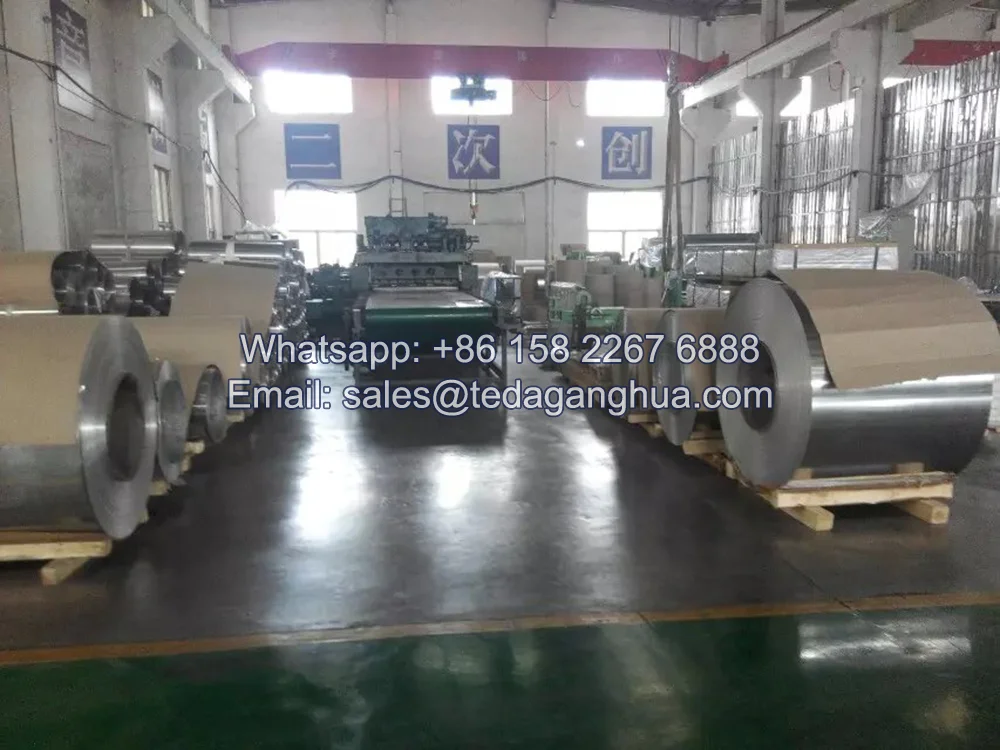
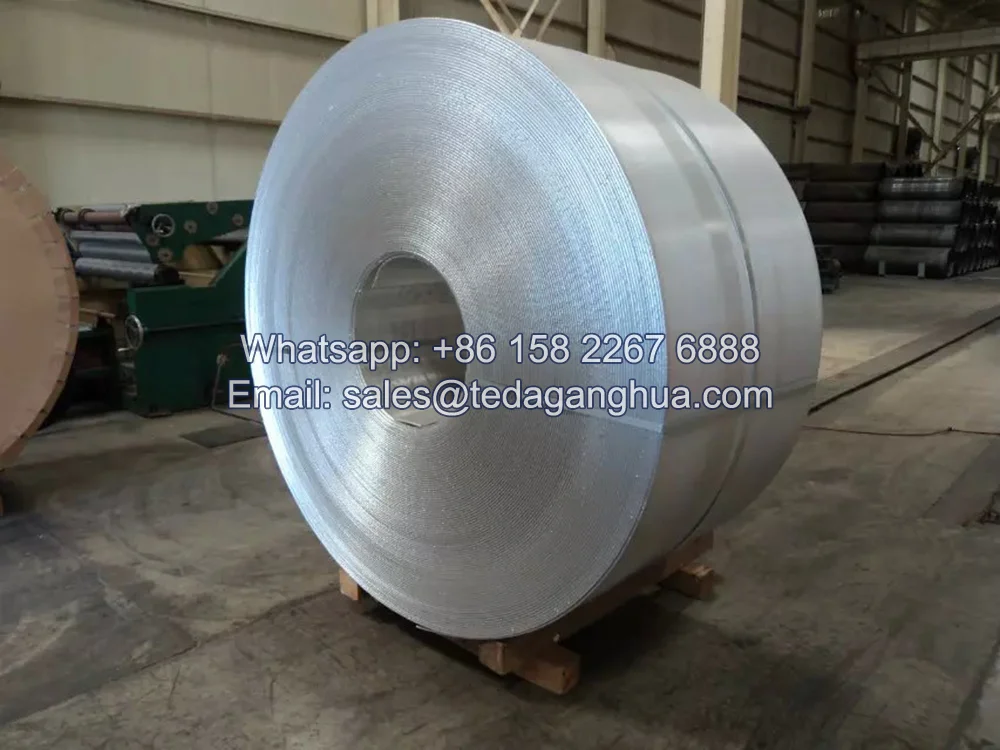
私たちの marine aluminum sheet and coil supply range for different fabrication and manufacturing applications.
When contacting Teda Ganghua, provide the intended vessel component, required alloy, 気性, coil or plate form, 寸法, 量, および認定要件. Clear specifications help establish the appropriate supply arrangement and reduce misunderstandings during procurement.
よくある質問
1. Is marine grade aluminium a single alloy?
いいえ. Marine grade describes aluminum materials suitable for particular marine applications. The correct selection depends on alloy, 気性, 機械的特性, 腐食性能, and applicable certification requirements.
2. 違いは何ですか 5052, 5083, そして 5086?
These alloys serve different manufacturing and structural requirements. 5052 is often selected for formability and general marine components, その間 5083 is widely used for higher-strength welded structures. 5086 provides another structural option where strength, 耐食性, 製造要件のバランスが取れている必要があります.
3. Is aluminum coil suitable for shipbuilding?
はい. Coil can be suitable for continuous forming, long-length panels, and repetitive marine components. しかし, the alloy, 気性, 寸法, and project approval requirements must be confirmed for the intended application.
4. Should I purchase marine aluminum coil or plate?
Coil is generally preferred for continuous processing and long components, while plate is more suitable for individual structural parts and fixed dimensions. The choice depends on the manufacturing process, 厚さの要件, and finished component design.
5. What documents should accompany marine aluminum materials?
Documentation depends on the project specification and applicable approval requirements. Buyers should confirm material test certificates, トレーサビリティ記録, 検査報告書, and any required project-specific certification before placing the order.
関連商品
-
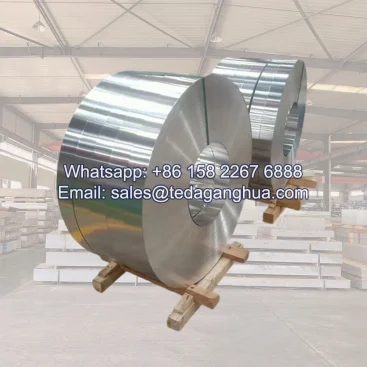 アルミニウムコイルサプライヤプロフェッショナルアルミニウム製品
アルミコイルの株価
アルミコイルの株価は材料費の組み合わせで決まる, 仕様, および処理要件, しかし、供給能力も同様に重要です. アルミニウムとステンレスの在庫を用意…
-
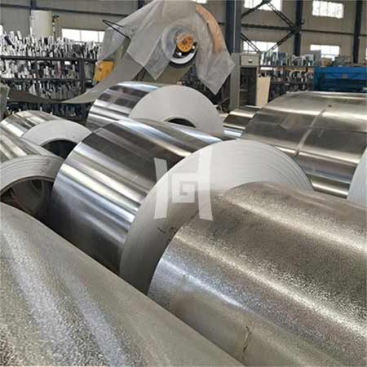 3xxxシリーズ アルミコイル, アルミニウムコイルサプライヤプロフェッショナルアルミニウム製品
3004 アルミコイル
3004 アルミニウムコイルは、3xxxシリーズのプレミアムグレードのアルミニウムマンガン合金です, より高い強度を提供します 3003 優れた形成性と腐食抵抗を維持しながら合金. 特別に設計されています…
-
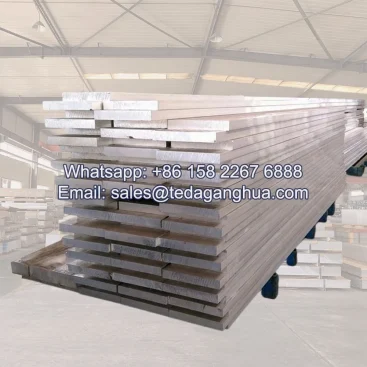 アルミニウムコイルサプライヤプロフェッショナルアルミニウム製品, アルミニウムシート
36 ワイドアルミコイルストック
36 ワイドアルミコイルストック (36 インチ / 914 mm) 最も一般的に使用される工業用アルミニウムコイル幅の 1 つ. 柔軟な基材として機能します。…
-
 1xxxシリーズ アルミコイル, アルミニウムコイルサプライヤプロフェッショナルアルミニウム製品
1050 アルミコイル
の 1050 アルミニウムコイルはの一部です 1 シリーズ, 少なくともアルミニウム含有量があります 99.5%, 国際基準に従って. 簡単な生産プロセスがあります, 作り…
-
 アルミニウムコイルサプライヤプロフェッショナルアルミニウム製品
ホワイトアルミニウムコイルストック
白いアルミニウムのコイルストックは、主に自然酸化層によって外観が変化します。, 合金組成, および表面仕上げ工程. 一般的なグレードには 1xxx が含まれます, 3xxx, 5xxx, と6xxxシリーズ, それぞれ…
-
 アルミニウムコイルサプライヤプロフェッショナルアルミニウム製品
アルミコイルシート
軽量性を兼ね備えたアルミコイルシート, 耐食性, 成形性, 美的柔軟性と, 建設、輸送から家電、化粧パネルまで幅広い用途に適しています。….
-
 アルミニウムコイルサプライヤプロフェッショナルアルミニウム製品
ブラックアルミニウムコイルストック
ブラックアルミニウムコイルストックは表面処理によりその色と耐久性を実現, コイルコーティング, または陽極酸化プロセス. 精密切断との組み合わせ, 形にする, と品質管理, これらの加工技術が生み出すのは、…