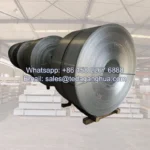

- 설명
- 문의
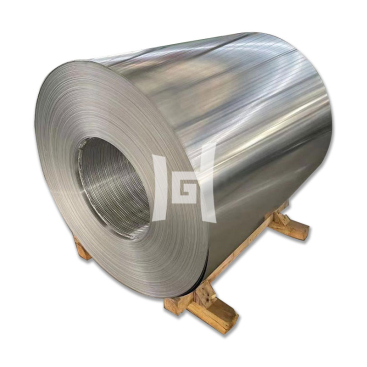
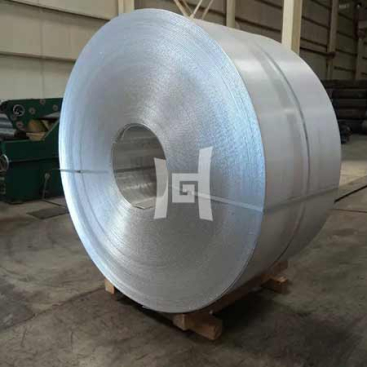
8011 aluminum coil belongs to a group of aluminum alloys closely associated with thin-gauge rolling and foil production. Unlike structural aluminum grades selected mainly for load-bearing performance, 8xxx series alloys are widely used in applications where rolling consistency, 표면 품질, 유연성, and uniformity are essential.
This is why the 8xxx series occupies a different position in the aluminum market. Its commercial identity is closely connected to foil mills, 포장재, composite structures, closures, and pharmaceutical packaging. The objective is not simply to produce a strong aluminum product, but to manufacture thin material with stable quality throughout continuous rolling and subsequent processing.
For buyers searching for this material, the key question is how the coil will be converted into the final product. Packaging foil, laminated materials, closure stock, and pharmaceutical packaging may all require different surface conditions, rolling characteristics, and downstream processing performance.
Why the 8xxx Series Is Closely Connected to Foil Production
The 8xxx series includes aluminum alloys developed for specialized applications, ~와 함께 8011 being a familiar choice in foil and packaging-related markets. Its commercial importance is closely related to the requirements of rolling thin material consistently and supplying it in coil form.
During foil production, aluminum passes through successive rolling stages. As the material becomes thinner, controlling thickness uniformity, 표면 상태, 가장자리 품질, and rolling stability becomes increasingly important. Small inconsistencies can affect the performance of the final foil or the efficiency of downstream converting operations.
Alloy design and rolling process control therefore work together. The material must be suitable for the intended reduction route while maintaining the characteristics required by the final application.
The central idea behind the 8xxx series
The 8xxx series is not simply another group of general-purpose aluminum alloys. It is closely associated with thin-gauge rolling, where the main manufacturing question is whether the material can be rolled thinner and more uniformly while meeting the required quality standards.
Three Common Characteristics of the 8xxx Series
| 요인 | 설명 | Commercial Significance |
|---|---|---|
| Alloy design objectives | Selected alloy systems and processing routes support thin rolling, suitable strength, and stable rolling behavior. | Helps manufacturers achieve consistent foil and thin-strip quality. |
| Typical product form | Coil is a major commercial form, particularly for foil and thin strip. | Supports continuous rolling, 슬리팅, 라미네이팅, and converting operations. |
| 일반적인 애플리케이션 | 포장, composite materials, closures, and pharmaceutical packaging. | The final product depends on surface, 형성, 밀봉, and converting requirements. |
These characteristics describe a broad commercial direction rather than a rule that applies identically to every alloy in the 8xxx series. Individual grades have their own specifications and application ranges, so buyers should always confirm the exact alloy and product requirements.
8011 알루미늄 코일: A Familiar Choice for Packaging Materials
8011 is widely used in aluminum foil and packaging-related products. It is selected for applications where the material needs to pass through rolling and converting processes and then perform reliably in the final package.
1. Flexible Packaging
Aluminum foil is often used as one layer in flexible packaging structures. It can be combined with polymers, 종이, and other materials to create packaging with specific barrier and processing properties.
이러한 응용 프로그램에서는, the aluminum layer is only one part of the finished structure. Buyers should consider the intended laminate design, bonding process, 표면 요구 사항, and converting method rather than evaluating the foil material in isolation.
2. 제약 포장
Pharmaceutical packaging can use aluminum foil as part of blister structures, lidding materials, and other protective packaging formats. The material may need to meet demanding requirements for surface quality, pinhole control, 일관성, and compatibility with the selected packaging process.
For pharmaceutical applications, the complete packaging structure and its compliance requirements must be confirmed. An alloy designation alone does not establish that a material is suitable for a particular medicine or packaging system.
3. Bottle Caps and Closure Stock
Aluminum is used in various closure and cap applications where forming performance, 모습, and consistent production are important. The material may undergo stamping, 그림, 엠보싱, or other forming operations depending on the closure design.
Buyers should specify the final cap geometry and production method so that the required material condition and surface quality can be evaluated correctly.
4. Composite and Laminated Materials
8011-related foil products can also be incorporated into composite structures for packaging and industrial applications. The aluminum layer may contribute barrier properties, 모습, or functional performance as part of a multi-material construction.
이 제품의 경우, bonding compatibility and surface condition are important. The requirements should be agreed between the aluminum supplier and the downstream laminating or converting manufacturer.
Why Rolling Uniformity Matters More Than a Simple Strength Comparison
When buyers compare structural aluminum alloys, they often focus on strength, 부하 용량, 기계적 성능. For foil-oriented materials, the evaluation is different. Rolling behavior and finished-surface consistency can have a direct effect on production efficiency and final product quality.
Several factors deserve attention throughout the rolling process:
- 두께 일관성: Uniform material helps maintain stable performance during lamination, 스탬핑, and packaging conversion.
- 표면 품질: Surface condition can influence appearance, 코팅, 인쇄, and bonding operations.
- 가장자리 품질: Slitting and subsequent processing require suitable edge condition and dimensional control.
- Rolling stability: Consistent material behavior supports continuous production and reduces process interruptions.
- 배치 일관성: Stable material characteristics help downstream manufacturers maintain repeatable production conditions.
These requirements explain why the suitability of a foil alloy cannot be judged by a single mechanical property. The rolling route, 표면 처리, final application, and converting process all contribute to the purchasing decision.
8011 Foil Coil vs. General Aluminum Sheet Coil
Although both products may be supplied in coil form, foil-oriented material and general-purpose aluminum sheet coil are not necessarily interchangeable. Their intended manufacturing routes and quality priorities can be very different.
| 비교 | 8011 Foil-Oriented Coil | General Aluminum Sheet Coil |
|---|---|---|
| 주요 목적 | Thin foil and packaging-related production. | 제작, 형성, panel production, and general industrial uses. |
| Key process concern | Thin rolling, 표면 품질, and converting performance. | 형성 가능성, 치수 요구 사항, 및 제작 거동. |
| Common downstream processes | Lamination, foil converting, 인쇄, and packaging production. | 절단, 굽힘, 스탬핑, and other sheet-metal operations. |
| Buyer priority | Confirm foil application, 표면 상태, and rolling quality. | 합금 확인, 성질, 치수, 및 제작 요구 사항. |
A buyer who needs packaging foil should not rely on a quotation for general aluminum sheet coil without checking whether it meets the intended foil-processing requirements. 비슷하게, a general sheet-metal application may not need the specialized characteristics of a foil-oriented product.
지정 방법 8011 Aluminum Coil Correctly
A clear inquiry helps suppliers understand the intended production route and evaluate whether the offered material is suitable. Buyers should provide the following information whenever possible:
- 애플리케이션: Flexible packaging, pharmaceutical packaging, closure stock, composite material, or another end use.
- 제품 유형: Foil coil, thin strip, or another rolled product.
- 치수: 필요한 두께, 너비, 코일 내경, and coil weight where applicable.
- 표면 요구 사항: 밀 마무리, treated surface, or specific requirements for coating, 인쇄, or bonding.
- 처리 요구 사항: 슬리팅, 라미네이팅, 스탬핑, 그림, or other downstream operations.
- Quality documentation: 재료 테스트 인증서, agreed inspection records, and any application-specific compliance documents.
For packaging applications, it is also useful to explain whether the foil will be used directly or as one layer in a composite structure. This can help clarify surface and converting requirements before production begins.
Common Mistakes When Purchasing Foil-Oriented Aluminum
Choosing by Alloy Number Alone
8011 is a familiar foil alloy, but the grade alone does not define every aspect of the finished product. 성질, 치수, 표면 상태, and processing requirements still need to be specified.
Ignoring the Final Packaging Structure
Foil used in flexible packaging may be laminated with other materials, while closure stock and pharmaceutical packaging have different converting requirements. A supplier needs to understand the final use rather than relying on a general description such as packaging foil.
Treating All Coil Products as Equivalent
General sheet coil and foil-oriented coil may both arrive in wound form, but their manufacturing and quality priorities differ. Confirm the intended rolling and downstream process before accepting a product specification.
Aluminum Coil Sourcing from Teda Ganghua
Teda Ganghua Metal supports industrial buyers with aluminum material sourcing, 사양 확인, and customized supply arrangements. 와 함께 20 years of steel stockist experience in Tianjin TEDA, the company works with customers to clarify product requirements and coordinate suitable supply options.
For buyers comparing foil-oriented materials with general rolled products, the intended application should be clearly identified at the inquiry stage. Teda Ganghua can discuss available 알루미늄 시트 및 코일 제품 according to the required alloy, 치수, 표면 상태, and delivery form.
재료 및 주문 요구 사항에 따라, processing arrangements such as cutting, 전단, and customized sizing can also be discussed. Material test certificates and inspection documentation can be provided or coordinated according to the agreed order requirements. Customers are welcome to arrange inspection before shipment to check material identification, 치수, 포장, and other agreed quality points.
When requesting a quotation for 8011 foil coil, provide the final application, 필수 치수, 표면 요구 사항, and downstream processing method. This allows the supply requirements to be evaluated more accurately than an alloy designation alone.
자주 묻는 질문
1. 무엇인가요 8011 aluminum coil mainly used for?
It is widely used in foil and packaging-related applications, including flexible packaging, pharmaceutical packaging, closure materials, and composite structures. The exact suitability depends on the required product condition and converting process.
2. Why is the 8xxx series associated with aluminum foil?
Several alloys in this series are used in applications that require thin rolling and consistent foil quality. Their commercial role is closely connected to foil production, 포장, and other thin-gauge applications.
3. ~이다 8011 aluminum coil suitable for pharmaceutical packaging?
It can be used in certain pharmaceutical packaging structures, including foil-based applications. 하지만, the complete packaging design, 표면 요구 사항, converting process, and applicable compliance requirements must be confirmed.
4. 주문 시 어떤 정보를 제공해야 합니까? 8011 foil coil?
의도한 애플리케이션 제공, 합금, 성질, 두께, 너비, coil specifications, 표면 요구 사항, 수량, 그리고 필수 서류. If the material will be laminated or converted, explain the downstream process as well.
5. ~이다 8011 foil coil the same as ordinary aluminum sheet coil?
아니요. Both may be delivered in coil form, but foil-oriented material is intended for different rolling and converting requirements. Confirm the actual product type and quality specifications before purchasing.
관련상품
-
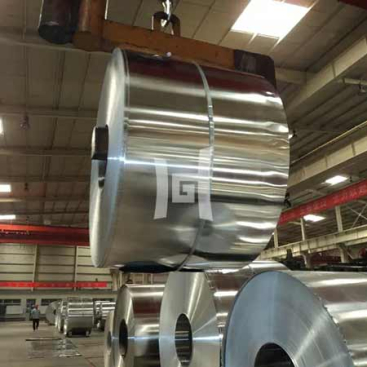 1xxx 시리즈 알루미늄 코일, 알루미늄 코일 공급 업체 전문 알루미늄 제품
1060 알루미늄 코일
1060 알루미늄은 산업용 알루미늄으로 분류됩니다, 알루미늄 함량이 있습니다 99.60%. 열처리를 통해 강화 될 수 없습니다. 전단 강도는 비슷합니다 1050 알류미늄,…
-
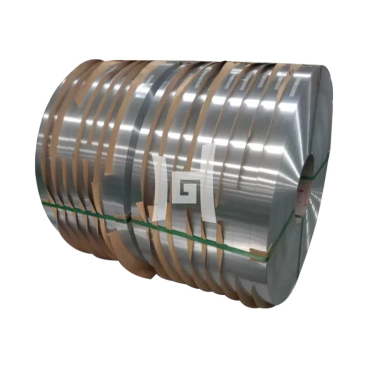
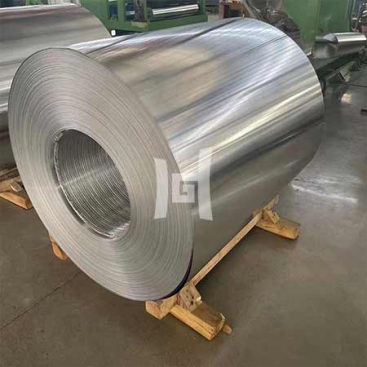 알루미늄 코일 공급 업체 전문 알루미늄 제품
5000 시리즈 알루미늄 코일 고강도 알루미늄 시트
Teda Ganghua Metal은 광범위한 공급을 제공합니다 5000 시리즈 알루미늄 코일, 포함:5083, 5754, 5086, 5454, 5052, 5251, 5A05, 및 5A06
일반적인 응용 프로그램:조선
항공 우주 구조
자동차 제조
간판과…
-
 알루미늄 코일 공급 업체 전문 알루미늄 제품, 알루미늄 시트
알루미늄 코일 시트
알루미늄 코일시트는 코일 형태와 시트 형태로 공급되는 널리 사용되는 산업자재입니다.. Its specification is defined by size (너비, 두께, 길이) 그리고 성질 (영형, 시간,…
-
 6xxx 시리즈 알루미늄 코일, 알루미늄 코일 공급 업체 전문 알루미늄 제품
6061 치장 벽토 알루미늄 코일 6061 AMS4025 ASTM B209 6061 알루미늄 합금 코일 300 mm
6061 알루미늄 코일은 우수한 기계적 특성으로 유명합니다., 용접성, 및 내식성, 범용 애플리케이션에 널리 사용되는 선택입니다.. 다양한 등급으로 나오네요, 포함…
-
 알루미늄 코일 공급 업체 전문 알루미늄 제품
알루미늄 코일 스톡 공급업체
Teda Ganghua는 신뢰할 수 있는 알루미늄 코일 스톡 공급업체이자 가공 공장입니다., 수십 년의 경험을 가진 철강 그룹의 지원. 우리의 전문 팀, 숙련된 인력, 내부 처리…
-
 알루미늄 코일 공급 업체 전문 알루미늄 제품
알루미늄 시트 코일 가격
알루미늄 시트 코일은 일반적으로 스테인레스 스틸보다 비용 효율적입니다., 특히 무게와 제작 유연성이 중요한 경우. 스테인레스 스틸은 더 높은 강도와 극도의 내식성을 제공하지만, 알류미늄…
-
 알루미늄 코일 공급 업체 전문 알루미늄 제품
블랙 알루미늄 코일 스톡
검정색 알루미늄 코일 스톡은 표면 처리를 통해 색상과 내구성을 구현합니다., 코일 코팅, 또는 아노다이징 공정. 정밀 절단과 결합, 형성, 품질 관리, 이러한 처리 기술은…