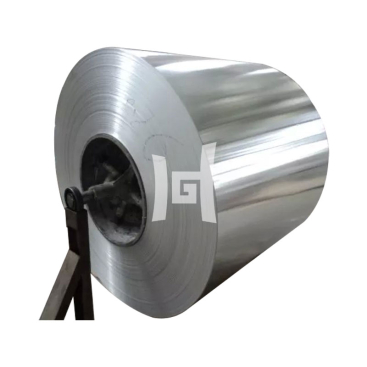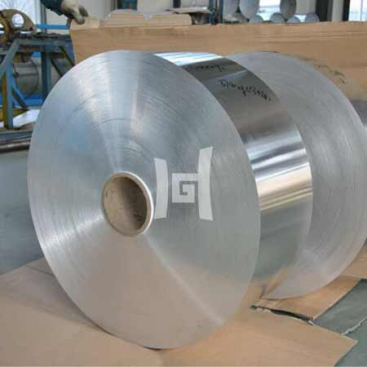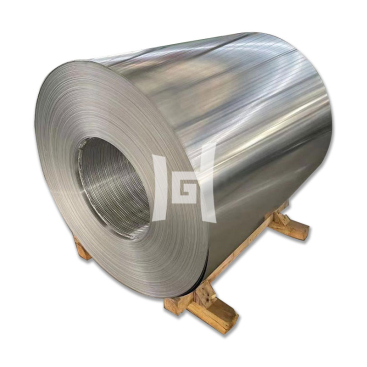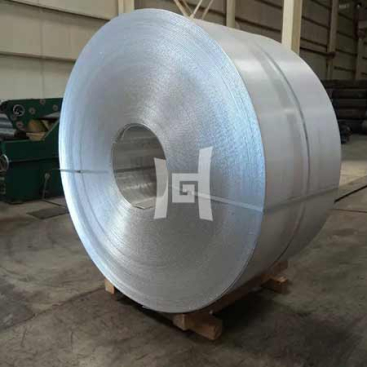

- 설명
- 문의
8021 aluminum coil and 8011 aluminum coil belong to the same broad family of foil-oriented aluminum materials, but they are not simply interchangeable grades. Both are associated with thin-gauge rolling and packaging applications. The practical difference is how each grade is selected for a particular end use, especially when the aluminum layer must work with a specific laminating, 형성, or sealing process.
구매자를 위한, the important question is not whether 8021 is universally better than 8011. It is whether the selected material is compatible with the final packaging structure and downstream production conditions. A foil used in pharmaceutical packaging may have different requirements from one used for general flexible packaging or closure materials.
이것은 8021 an application-driven purchasing choice. 견적을 요청하기 전에, buyers should explain what the aluminum foil will be laminated with, how it will be formed, and what performance the finished package must deliver.
8021 그리고 8011: Two Grades in the Same Foil-Oriented Family
Both grades belong to the 8xxx aluminum series, which includes alloys used in specialized rolled products and foil applications. Their commercial applications overlap, but their selection should be based on the actual requirements of the finished product rather than on the assumption that one grade can replace the other in every situation.
| 비교 | 8021 | 8011 |
|---|---|---|
| 합금 계열 | 8xxx 시리즈, associated with specialized foil and thin rolled products. | 8xxx 시리즈, widely used in foil and packaging-related products. |
| 적용 초점 | Frequently selected for pharmaceutical and other demanding packaging foil applications. | Commonly used across a broad range of packaging, closure, and foil applications. |
| Selection consideration | Evaluate the required forming behavior, foil performance, and compatibility with the packaging structure. | Evaluate the required rolling quality, 표면 상태, and downstream converting process. |
| Procurement approach | Choose according to the final application and its technical specification. | Choose according to the final application and its technical specification. |
The table describes typical market positioning, not a universal rule for every manufacturer’s product. Actual performance depends on the supplied condition, 생산 경로, 표면 요구 사항, 및 해당 제품 사양.
The key difference is downstream compatibility
8021 그리고 8011 should be compared according to what happens after rolling. The laminate, 성형작업, sealing method, and final packaging requirements often determine which grade is more appropriate.
왜 8021 Is Often Considered for Pharmaceutical Packaging
8021 is widely associated with pharmaceutical foil applications, particularly where the aluminum layer forms part of a protective packaging structure. The material may be combined with polymers, 코팅, or other functional layers to create a finished package designed for a specific product and production process.
의약품 포장에, the aluminum foil is not evaluated in isolation. Its performance is connected to the complete packaging system, including the barrier requirements, 성형작업, sealing process, and compatibility with the contents.
Cold-Formed Blister Packaging
One important application area for 8021 is cold-forming foil used in pharmaceutical blister packaging. The foil is combined with other packaging layers and formed into cavities that hold individual tablets or capsules.
Because the material undergoes significant forming during production, buyers need to consider its suitability for the intended cavity geometry and converting conditions. The finished laminate must also meet the packaging system’s barrier and integrity requirements.
Laminated Pharmaceutical Structures
Some packaging designs combine aluminum foil with polymer films or other layers. The aluminum provides a functional barrier component, while the other layers contribute sealing, 보호, printability, 또는 기계적 성능.
For these structures, the selected foil must be compatible with the lamination process. 표면상태, bonding requirements, and the behavior of the complete laminate should be discussed before material approval.
어디 8011 Fits in the Comparison
8011 has a broad presence in aluminum foil and packaging markets. It is used in applications such as flexible packaging, household foil, closure materials, and selected pharmaceutical packaging products, depending on the required specification and material condition.
Flexible Packaging
For flexible packaging, aluminum foil may be laminated with paper, polymer films, or other materials. The final structure can be designed for product protection, 모습, and compatibility with packaging machinery.
Household and General-Purpose Foil
General-purpose foil applications require suitable rolling quality, handling characteristics, and consistent performance during converting. The exact material specification should reflect the intended use rather than relying only on the alloy number.
Closure and Container Materials
Aluminum foil and thin rolled products can be used in closure-related applications where stamping, 형성, or sealing is involved. Buyers should provide the closure design and production method to help determine the appropriate material condition.
The Laminate Often Determines the Alloy Choice
When comparing two nearby foil grades, the downstream structure can be more important than a simple grade-to-grade ranking. Different packaging systems place different demands on the aluminum layer.
| Downstream Process | What the Buyer Should Explain | 중요한 이유 |
|---|---|---|
| Lamination | Which polymer, 종이, 코팅, or other layer will be bonded to the foil? | The foil surface and bonding process must work together. |
| Cold forming | What cavity geometry and forming conditions will be used? | The foil and laminate must withstand the required deformation without unacceptable defects. |
| Heat sealing | What sealing layer, 온도 범위, and sealing arrangement are required? | The complete packaging structure must achieve the required seal performance. |
| Printing and coating | Will the foil be printed, 코팅, or treated before conversion? | Surface condition and process compatibility can affect appearance and adhesion. |
| Final barrier performance | What protection is required against moisture, 빛, 산소, or other external factors? | Barrier performance must be evaluated for the finished packaging structure. |
This is particularly important in pharmaceutical packaging. A foil grade should not be approved based only on a supplier’s general description. The complete laminate and packaging process must be validated against the intended product requirements.
8021 대. 8011: How to Make a Practical Purchasing Decision
There is no universal winner between these two grades. The correct choice depends on the final product, the converting equipment, and the technical specification agreed between the buyer and supplier.
- For cold-form pharmaceutical foil: 평가하다 8021 as a potential option and confirm its suitability for the complete laminate and forming process.
- For general packaging foil: 8011 may be a practical option when its supplied condition meets the converting requirements.
- For closure materials: Specify the forming operation, finished geometry, and required surface condition before comparing grades.
- For laminated products: Share the complete layer structure and bonding process with the material supplier.
- For regulated packaging: Confirm the applicable material and finished-package compliance requirements before production.
When the application is not yet fully defined, it is better to discuss the packaging process with the supplier before fixing the alloy designation. This reduces the risk of choosing a material that can be rolled successfully but does not perform as expected during downstream conversion.
What to Include in an 8021 Aluminum Coil Inquiry
A useful inquiry should describe the final application rather than simply request a grade and price. The following information helps suppliers evaluate the material more accurately:
| 정보 | Details to Provide |
|---|---|
| End application | Cold-form blister, flexible packaging, laminated foil, or another use. |
| Laminate structure | The materials and layers that will be bonded to the aluminum. |
| 코일 치수 | 두께, 너비, 코일 내경, 그리고 필요한 코일 무게. |
| 재료 상태 | Required temper and relevant product specification. |
| 표면 요구 사항 | 표면 처리, 마치다, 코팅, or bonding-related requirements. |
| 품질 문서 | 재료 테스트 인증서, 검사 기록, and agreed compliance documents. |
Providing samples, 그림, laminate specifications, or details of the converting process can also help clarify the material requirements. Where the foil is intended for regulated packaging, the buyer should identify the applicable approval and testing requirements at the beginning of the project.
Aluminum Coil Sourcing from Teda Ganghua
Teda Ganghua Metal supports industrial buyers with aluminum material sourcing, 사양 확인, and customized supply arrangements. 와 함께 20 years of steel stockist experience in Tianjin TEDA, the company works with customers to clarify alloy requirements, 제품 치수, 표면 상태, 및 배송 준비.
구매자가 비교하는 경우 8011 그리고 8021, the intended downstream process is an important part of the inquiry. Teda Ganghua can discuss available 알루미늄 시트 및 코일 제품 according to the required application, 치수, 물질적 상태, and supply form.
Processing arrangements such as cutting, 전단, and customized sizing can be discussed for suitable materials. Material test certificates and inspection documentation can be coordinated according to the agreed order requirements. Customers are welcome to arrange inspection before shipment to verify material identification, 치수, 포장, and other agreed quality points.
For foil and laminated packaging projects, buyers should provide the intended laminate structure and converting process before confirming the grade. This allows the material requirements to be reviewed in relation to the finished product rather than relying on a general alloy comparison.
자주 묻는 질문
1. 주요 차이점은 무엇입니까? 8021 그리고 8011 알루미늄 코일?
Both are 8xxx series alloys used in foil-related applications, but their typical market positioning differs. 8021 is frequently associated with pharmaceutical and cold-form packaging foil, ~하는 동안 8011 has a broad range of packaging and general foil applications. The final choice should follow the actual product specification and converting requirements.
2. ~이다 8021 aluminum coil suitable for pharmaceutical packaging?
It is commonly used in pharmaceutical foil applications, including certain cold-form blister packaging structures. Suitability depends on the complete laminate, 성형 공정, barrier requirements, and applicable packaging standards.
3. ~이다 8011 always a better choice for general packaging?
자동이 아님. 8011 is widely used in general packaging applications, but the correct selection depends on the required surface condition, 행동 형성, laminate structure, and product specification.
4. 할 수 있다 8021 그리고 8011 be used in the same laminating process?
They may be considered for overlapping applications, but they should not be substituted without checking process compatibility. The foil’s material condition, 표면 요구 사항, bonding process, and final packaging performance must be evaluated together.
5. What should I tell a supplier before ordering 8021 알루미늄 코일?
의도한 애플리케이션 제공, laminate structure, forming or sealing process, 필수 치수, 물질적 상태, 표면 요구 사항, 수량, 및 문서 요구 사항. Explaining what the foil will be bonded to is especially useful when selecting between nearby alloy grades.
관련상품
-
 알루미늄 코일 공급 업체 전문 알루미늄 제품
알루미늄 코일 스톡 공급업체
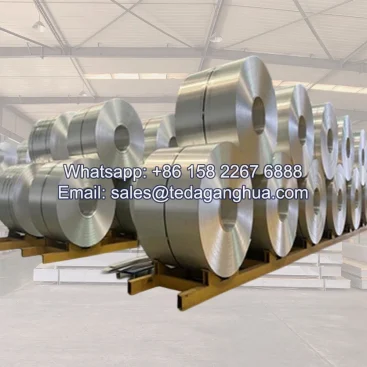
Teda Ganghua는 신뢰할 수 있는 알루미늄 코일 스톡 공급업체이자 가공 공장입니다., 수십 년의 경험을 가진 철강 그룹의 지원. 우리의 전문 팀, 숙련된 인력, 내부 처리…
-
 알루미늄 코일 공급 업체 전문 알루미늄 제품, 알루미늄 시트
알루미늄 코일 시트
알루미늄 코일시트는 코일 형태와 시트 형태로 공급되는 널리 사용되는 산업자재입니다.. Its specification is defined by size (너비, 두께, 길이) 그리고 성질 (영형, 시간,…
-
 1xxx 시리즈 알루미늄 코일, 알루미늄 코일 공급 업체 전문 알루미늄 제품
1050 알루미늄 코일
그만큼 1050 알루미늄 코일은 그 일부입니다 1 시리즈, 최소한 알루미늄 함량이 있습니다 99.5%, 국제 표준에 따라. 간단한 생산 공정이 있습니다, 만들기…
-
 알루미늄 코일 공급 업체 전문 알루미늄 제품
페인트 알루미늄 코일
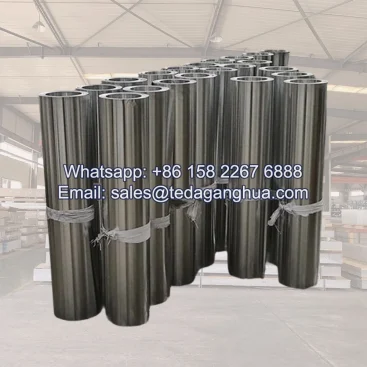
페인팅된 알루미늄 코일은 경량성을 결합합니다., 부식 방지, 장식 및 보호용 페인트 코팅을 사용한 알루미늄의 성형 특성. 이러한 특성으로 인해 건축에 매우 적합합니다., 운송, 가전제품 제조,…
-
 알루미늄 코일 공급 업체 전문 알루미늄 제품
2024t3 알루미늄
2024-T3 알루미늄은 고강도입니다., 우수한 기계적 성능으로 알려진 구리 기반 알루미늄 합금, 피로 저항, 적당한 내식성. 독특한 구성과 T3 템퍼링으로 선호됩니다.…
-
 1xxx 시리즈 알루미늄 코일, 알루미늄 코일 공급 업체 전문 알루미늄 제품
1060 알루미늄 코일
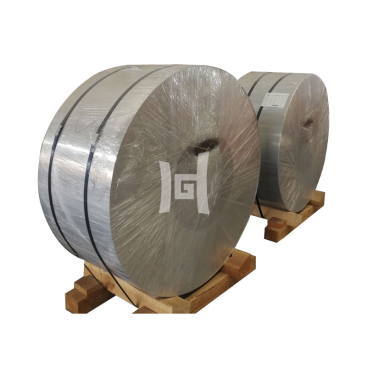
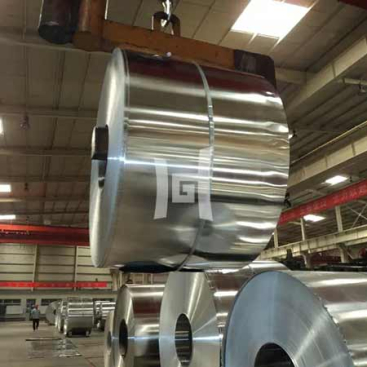
1060 알루미늄은 산업용 알루미늄으로 분류됩니다, 알루미늄 함량이 있습니다 99.60%. 열처리를 통해 강화 될 수 없습니다. 전단 강도는 비슷합니다 1050 알류미늄,…