- Description
- Inquiry
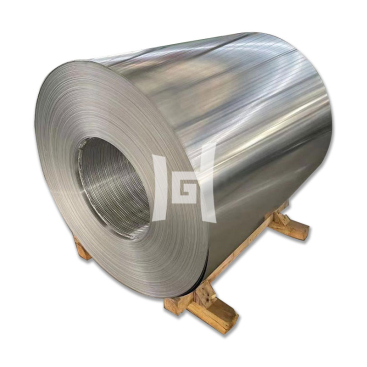
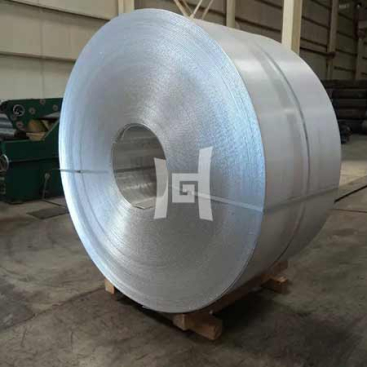
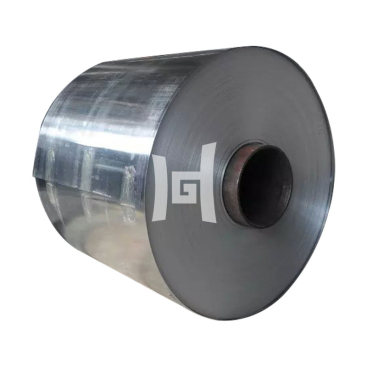
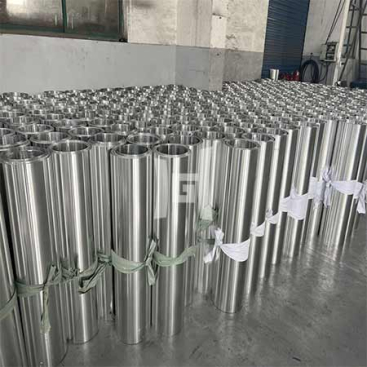
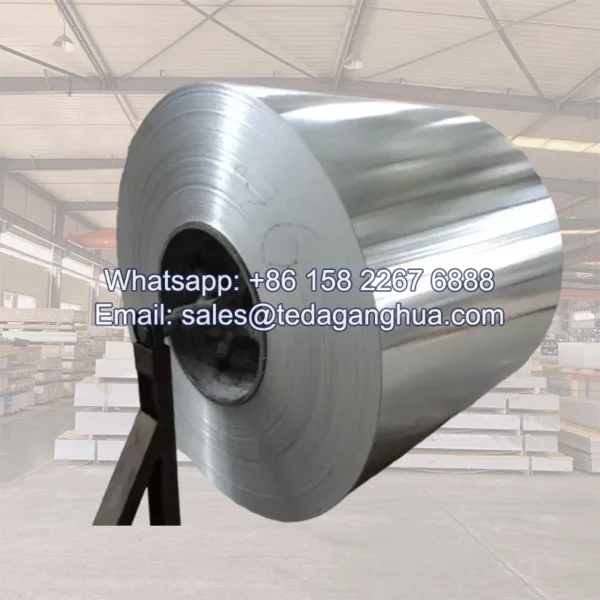
When selecting aluminum for architectural and decorative applications, the appearance of the finished surface can be just as important as the material itself. 5005 aluminum coil is widely considered for projects requiring decorative anodizing, consistent surface appearance, moderate mechanical strength, and good formability. It is particularly suitable for applications where multiple panels must maintain a visually coordinated finish. The main purchasing consideration is not simply the alloy designation, but how consistently the material performs throughout the anodizing process.
Why Choose 5005 Aluminum for Decorative Anodizing?
5005 belongs to the 5xxx aluminum-magnesium alloy series. Its composition and metallurgical characteristics make it a suitable choice for decorative anodized sheet applications. Compared with materials selected primarily for structural strength, this grade is often preferred when the final surface appearance is an important part of the product specification.
Anodizing creates a protective aluminum oxide layer on the metal surface. However, the resulting color and visual texture can be influenced by the original material, rolling conditions, surface preparation, and anodizing parameters. Selecting an appropriate substrate helps reduce unnecessary variation and makes batch management easier.
The key purchasing principle
For decorative projects, the objective is to achieve a consistent appearance across the entire production batch, rather than simply purchase aluminum with a particular alloy number.
Key Characteristics and Applications
The following table summarizes the practical characteristics that make this material suitable for appearance-oriented manufacturing.
| Key Characteristic | Practical Description | Typical Application Value |
|---|---|---|
| Anodizing response | Suitable for decorative anodized finishes. | Helps achieve coordinated metallic appearances. |
| Color consistency | Requires controlled substrate quality and finishing conditions. | Important for large panels and multiple production batches. |
| Formability | Suitable for bending and stamping under appropriate temper conditions. | Supports decorative fabrication and component manufacturing. |
| Corrosion resistance | Provides useful resistance to atmospheric corrosion. | Suitable for architectural and indoor decorative applications. |
| Surface suitability | Can be processed for different decorative surface requirements. | Used for appliance panels, signage and decorative sheets. |
How Anodizing Affects Color and Surface Appearance
Anodizing is not simply a protective treatment. For decorative aluminum products, it is also a surface-finishing process that determines the final visual effect. Even when the same alloy designation is used, differences in production history and surface preparation can result in visible variations after treatment.
1. Natural Silver and Metallic Finishes
Natural anodized finishes are commonly selected for architectural panels, interior decoration, and appliance components. The finished appearance may range from bright silver to a softer matte metallic effect, depending on the preparation and anodizing process.
2. Champagne, Bronze and Dark Decorative Colors
Colored anodized finishes require additional control over the coloring and oxidation processes. Champagne, bronze, and darker tones may be specified for decorative building components and furniture panels. Buyers should confirm the desired color using an approved physical sample rather than relying exclusively on a written color description.
3. Surface Texture and Visual Uniformity
Brushed, matte, and other prepared surfaces can produce different visual effects after anodizing. Scratches, rolling marks, surface contamination, and differences in pretreatment may become more noticeable after the oxide layer is formed. Surface inspection before finishing is therefore an important quality-control step.
Forming, Bending and Fabrication Considerations
Besides its decorative finishing characteristics, this alloy offers useful fabrication flexibility. Depending on the selected temper and material thickness, it can be processed through bending, stamping, cutting, and other conventional sheet-metal operations.
- Bending: Confirm the temper, thickness, bending direction, and required inside radius before production.
- Stamping: Evaluate material condition and forming geometry to avoid surface damage or deformation.
- Cutting: Use suitable cutting equipment and handling methods to protect visible surfaces.
- Welding: If welding is required before anodizing, discuss filler selection and the possibility of weld-area color differences with the finishing processor.
For appearance-critical components, it is advisable to complete a fabrication and anodizing trial before beginning mass production. This helps identify potential problems before they affect an entire order.
Typical Applications of Decorative Aluminum Coil
Because of its combination of surface-finishing suitability, formability, and corrosion resistance, the material is used in several decorative and light-duty manufacturing sectors.
Architectural Cladding
Decorative wall panels, curtain wall interior components, ceiling panels, and architectural trims.
Appliance Panels
Visible appliance components requiring a clean metallic finish and consistent appearance.
Decorative Sheets
Furniture panels, interior decoration, display components, and decorative metal products.
Signs and Nameplates
Identification plates, signage, labels, and other appearance-oriented products.
How to Specify Color Consistency When Purchasing
One of the most important purchasing mistakes is treating the alloy designation as a complete guarantee of the final anodized appearance. Material selection and finishing requirements should be agreed upon together, especially when several coils or production batches will be used for one project.
Important Items to Include in the Purchase Order
| Specification | What Buyers Should Confirm |
|---|---|
| Material batch | Whether all visible panels will use material from the same production batch. |
| Surface condition | Whether the required finish is mill finish, brushed, or another specified surface condition. |
| Anodizing method | The agreed pretreatment, anodizing, coloring, and sealing process. |
| Color reference | An approved physical sample or clearly defined color reference. |
| Inspection criteria | Acceptable color variation, viewing conditions, and surface-defect requirements. |
| Batch traceability | Material identification and documentation for each supplied batch. |
Important quality reminder
Color differences discovered after anodizing can be difficult to resolve because responsibility may involve both the original substrate and the finishing process. Agreeing on batch consistency, color samples, and surface treatment before production is much more effective than negotiating color acceptance after delivery.
Sourcing 5005 Aluminum Coil from Teda Ganghua
Teda Ganghua Metal supplies aluminum materials for industrial manufacturing, architectural applications, and decorative metal processing. For customers purchasing appearance-sensitive aluminum products, material identification, surface inspection, batch management, and processing requirements are important parts of the supply process.
Our aluminum product range includes sheet and coil materials for cutting, bending, stamping, and other fabrication requirements. Buyers can discuss the required alloy, temper, thickness, width, surface condition, and intended anodizing application before confirming an order.
For projects involving decorative panels or anodized components, Teda Ganghua can assist with material selection and specification confirmation. Material test certificates and inspection documentation can be discussed according to the order requirements. Customers are also welcome to arrange inspection before shipment.
Explore our aluminum sheet and coil products to find suitable materials for your manufacturing requirements.
When requesting a quotation, provide the intended application, required temper, dimensions, surface condition, and anodizing expectations. This information helps establish a clearer material specification and reduces the risk of appearance-related disputes during production.
Frequently Asked Questions
1. Why is 5005 aluminum used for decorative anodizing?
It has a favorable response to decorative anodizing and combines useful formability, moderate strength, and corrosion resistance. It is commonly selected for architectural panels, appliance components, signage, and decorative sheet products.
2. Does 5005 aluminum guarantee identical anodized colors?
No. The alloy is suitable for decorative anodizing, but identical color results are not guaranteed automatically. Material batches, temper, surface preparation, anodizing conditions, and coloring methods can all affect the final appearance. Sample approval and batch control are recommended.
3. What colors are available after anodizing?
Depending on the finishing process, common decorative options include natural silver, champagne, bronze, and darker tones. The actual color should be confirmed through an approved sample before mass production.
4. Can 5005 aluminum coil be bent and stamped?
Yes. It offers useful forming characteristics in suitable tempers. However, bending radius, material thickness, forming direction, and surface protection should be evaluated before processing.
5. What should buyers specify when ordering anodizing-quality material?
Buyers should confirm the alloy, temper, dimensions, surface condition, production batch, anodizing method, target color, and inspection criteria. For large decorative projects, maintaining consistent material batches and approving a sample before production are particularly important.
Related products
-
 Aluminum Coil Suppliers Professional Aluminum Products
Aluminum Coil Stock Suppliers
Teda Ganghua is a trusted aluminum coil stock supplier and processing factory, backed by a steel group with decades of experience. Our professional team, skilled workforce, and in-house processing…
-
 Aluminum Coil Suppliers Professional Aluminum Products
Aluminum Coil Sheet
Aluminum coil sheet combines lightweight, corrosion resistance, formability, and aesthetic flexibility, making it suitable for a wide range of applications from construction and transportation to appliances and decorative panels….
-
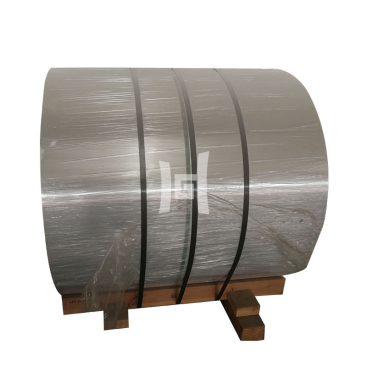
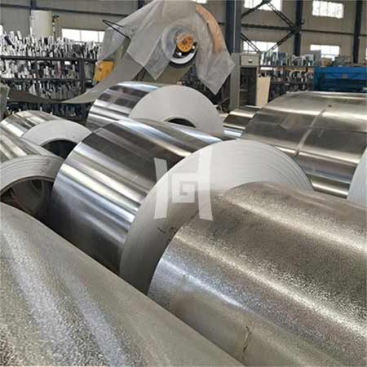 3xxx Series Aluminum Coil, Aluminum Coil Suppliers Professional Aluminum Products
3004 Aluminum Coil
3004 aluminum coil is a premium-grade aluminum-manganese alloy from the 3xxx series, offering higher strength than 3003 alloy while maintaining excellent formability and corrosion resistance. It is specifically designed…
-
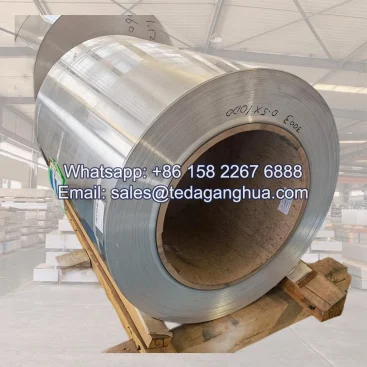 Aluminum Coil Suppliers Professional Aluminum Products
Aluminum Sheet Coil
Aluminum sheet coils are available in a wide range of grades and alloy systems, each offering specific strength, corrosion resistance, and formability characteristics. Choosing the right grade ensures durability,…
-
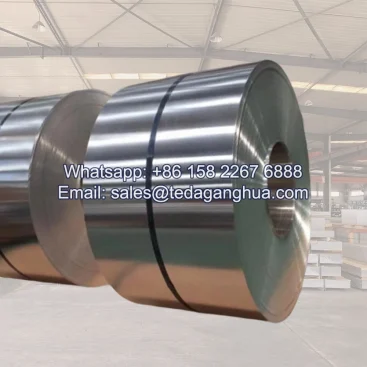 Aluminum Coil Suppliers Professional Aluminum Products
Black Aluminum Coil Stock
Black aluminum coil stock achieves its color and durability through surface preparation, coil coating, or anodizing processes. Combined with precision cutting, forming, and quality control, these processing techniques create…
-
 Aluminum Coil Suppliers Professional Aluminum Products
36 Wide Aluminum Coil Stock
36-inch wide aluminum coil stock offers versatile width, thickness, and alloy options, making it suitable for architectural panels, roofing, siding, transportation, and decorative applications. By selecting the proper grade…