- Description
- Inquiry
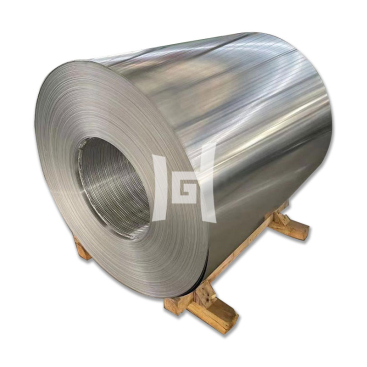
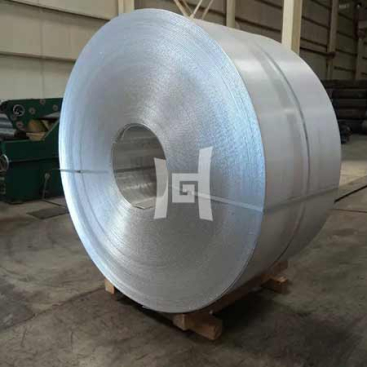
6061 aluminum coil is a product term that requires careful verification before purchasing. Although 6061 is a widely used heat-treatable aluminum alloy, it is more commonly supplied in forms such as plate, sheet, extruded profiles, and forgings than in conventional continuous coil production. This difference is related to its strengthening mechanism and the manufacturing processes required to achieve its final material condition.
Unlike many aluminum alloys strengthened primarily through cold working, 6061 relies on precipitation hardening. Its production involves controlled solution treatment and aging, which creates additional process requirements when manufacturing and supplying continuous coil. As a result, coil-form availability is more limited and often depends on specific product requirements.
For buyers searching for this material, one question should be answered first: Is the supplier offering genuine rolled coil, or is the product actually a leveled sheet cut from previously processed material? These are different product forms with different delivery arrangements and purchasing units.
Why 6061 Is More Commonly Supplied as Plate and Profile
6061 belongs to the 6xxx aluminum alloy series, which uses magnesium and silicon as its principal alloying elements. Its strength is developed through precipitation hardening rather than relying only on accumulated cold deformation.
The heat-treatment process involves solution treatment followed by controlled aging. During this process, strengthening precipitates develop within the aluminum matrix, giving the material its required mechanical characteristics.
This production route is one reason why conventional coil supply is less common than plate and extruded products. The material must undergo carefully controlled thermal processing, and the manufacturing sequence needs to be compatible with the required final condition and product dimensions.
The central purchasing consideration
6061 can exist in coil form, but coil availability is more specialized. Before requesting a quotation, confirm whether the product is genuine continuous coil or leveled sheet supplied in individual pieces.
Why Genuine 6061 Coil Is Less Common
| Reason | Technical Explanation | Purchasing Implication |
|---|---|---|
| Precipitation hardening | Requires solution treatment and controlled aging to achieve the intended properties. | The thermal-processing route must be compatible with continuous coil production. |
| Main supply forms | Commonly manufactured as plate, extruded profiles, and forgings. | These forms are generally easier to source for standard industrial requirements. |
| Limited coil availability | Coil products are associated with more specialized specifications and applications. | Buyers should confirm actual coil dimensions, production route, and supply capability. |
It is important to understand that heat treatment does not make coil production technically impossible. Specialized production routes can accommodate heat-treatable aluminum products in coil form. The challenge is achieving the required properties, flatness, surface quality, and dimensional consistency while maintaining an appropriate production process.
The Three Main Product Forms of 6061
When sourcing this alloy, buyers will generally encounter three major product categories. Each serves a different manufacturing purpose.
1. Aluminum Plate and Sheet
Plate and sheet are among the most familiar supply forms for industrial applications. They are suitable for cutting, machining, structural fabrication, equipment manufacturing, and precision component production.
Individual sheets and plates can be inspected, identified, packaged, and delivered according to specified dimensions. This makes them practical for projects requiring fixed-size blanks or individual components.
2. Extruded Aluminum Profiles
Extrusion is another major manufacturing route for this alloy. Heated aluminum billets are pushed through a shaped die to create products with specific cross-sectional geometries.
Extruded products are widely used in machinery frames, industrial equipment, transportation components, structural supports, and other applications requiring designed profiles.
3. Aluminum Forgings
Forged products are manufactured through controlled deformation under compressive forces. This process is suitable for components requiring particular structural characteristics and complex mechanical designs.
Forgings are commonly associated with specialized engineering, transportation, and machinery applications where the component geometry and service requirements justify the manufacturing process.
Genuine Coil vs. Leveled Sheet: What Are You Buying?
One of the most important issues in purchasing is the difference between continuous coil and leveled sheet. Both may originate from rolled aluminum material, but their delivery forms and commercial descriptions are different.
| Comparison | Genuine Coil | Leveled Sheet |
|---|---|---|
| Physical form | Continuous material wound into a coil. | Individual flat sheets cut from processed material. |
| Production use | Continuous feeding and suitable automated processing. | Individual cutting, machining, and fabrication operations. |
| Delivery specification | Coil weight, width, inner diameter, and outer diameter. | Individual sheet length, width, thickness, and quantity. |
| Commercial unit | Usually quoted by weight or coil. | Usually quoted by weight, sheet, or specified dimensions. |
| Inspection focus | Coil identification, winding condition, surface quality, and traceability. | Flatness, individual dimensions, surface condition, and traceability. |
A leveled sheet may have originated from coil, but it is no longer supplied as a continuous wound product. This distinction affects packaging, transportation, production planning, and the way a purchase order should be written.
How to Verify a 6061 Coil Supplier
Because this product form is less common, buyers should request clear technical information before comparing quotations. A product title alone is not enough to establish whether the offered material is genuinely supplied in coil form.
Questions to Ask Before Ordering
- Product form: Is the material delivered as a continuous coil or as leveled and cut sheets?
- Production route: Can the supplier explain how the required heat-treatment condition is achieved?
- Dimensions: Are thickness, width, and coil dimensions confirmed in writing?
- Material condition: Does the offered condition match the intended manufacturing and service requirements?
- Documentation: Can the supplier provide material identification and relevant test certificates?
- Packaging: Is the product packaged according to its actual delivery form?
A quotation verification tip
When you see a coil quotation, request a photograph of the actual wound material and its identification label. Confirm whether the quoted commercial unit refers to coil weight or individual sheet weight. This simple step can prevent misunderstandings about the supplied product.
6061 and 6063: Different Alloys, Different Product Forms
Another common source of confusion is the relationship between 6061 and 6063. Both belong to the 6xxx series and use precipitation hardening, but their typical manufacturing applications are different.
6061 is widely used for plates, sheets, machined components, structural products, and extrusions. It is often selected when a combination of strength, machinability, and general engineering performance is required.
6063 is particularly well known for extrusion applications. Its characteristics make it suitable for architectural profiles, window and door systems, decorative sections, and complex cross-sectional designs.
Although both grades may appear in aluminum product catalogs, their common supply forms should not be assumed to be identical. Buyers should identify the intended processing route before selecting between them.
Sourcing 6061 Aluminum Materials from Teda Ganghua
Teda Ganghua Metal supplies aluminum materials for industrial manufacturing, engineering, construction, and fabrication applications. With 20 years of steel stockist experience in Tianjin TEDA, the company supports international buyers with material sourcing, dimensional confirmation, and customized supply arrangements.
For customers searching for this heat-treatable alloy, confirming the actual product form is an important part of the inquiry process. Teda Ganghua can discuss aluminum sheet and plate requirements, material specifications, dimensions, surface conditions, and available processing arrangements according to project needs.
Services can include cutting, shearing, customized sizing, and other processing options subject to material specifications. Material test certificates and inspection documentation can be discussed according to individual order requirements. Customers are welcome to arrange inspection before shipment to verify material identification, dimensions, and agreed quality requirements.
Explore Teda Ganghua’s aluminum sheet and plate products for industrial and engineering applications.
When submitting an inquiry, specify the exact alloy, required temper, thickness, width, product form, quantity, and intended application. If continuous coil is essential, state this clearly so that the supply form can be verified before quotation.
Frequently Asked Questions
1. Is 6061 aluminum available in coil form?
Yes, specialized coil products may be available, but this is a less common supply form than plate, sheet, extrusion, or forging. Availability depends on the required specification and manufacturing capability.
2. Why is 6061 aluminum coil less common?
It is a precipitation-hardened alloy that requires controlled thermal processing. Achieving the required material condition in continuous coil production involves additional manufacturing and quality-control considerations.
3. What is the difference between genuine coil and leveled sheet?
Genuine coil is continuous material wound into a roll. Leveled sheet is material that has been flattened and cut into individual pieces. Their delivery forms, inspection requirements, and commercial units are different.
4. Is 6061 mainly used for plate or extrusion?
It is widely supplied as plate, sheet, and extruded profiles, as well as forgings. The best form depends on whether the application requires machining, structural fabrication, or a designed cross-sectional profile.
5. What should I confirm before buying 6061 coil?
Confirm whether the material is genuine continuous coil, its exact alloy and temper, dimensions, production and heat-treatment route, inspection documentation, packaging, and delivery requirements.
Related products
-
 Aluminum Coil Suppliers Professional Aluminum Products
Aluminum Coil Stock Suppliers
Teda Ganghua is a trusted aluminum coil stock supplier and processing factory, backed by a steel group with decades of experience. Our professional team, skilled workforce, and in-house processing…
-
 Aluminum Coil Suppliers Professional Aluminum Products
Aluminum Coil Stock Prices
Aluminum coil stock prices are determined by a combination of material costs, specifications, and processing requirements, but supply capability is equally important. With ready inventory of aluminum and stainless…
-
 Aluminum Coil Suppliers Professional Aluminum Products
Aluminum Sheet Coil
Aluminum sheet coils are available in a wide range of grades and alloy systems, each offering specific strength, corrosion resistance, and formability characteristics. Choosing the right grade ensures durability,…
-
 Aluminum Coil Suppliers Professional Aluminum Products
7075 Aluminum Sheet
7075 aluminum sheet is a high-strength, aluminum-zinc alloy with exceptional mechanical performance and fatigue resistance. While its corrosion resistance is moderate, it is often used with protective coatings in…
-
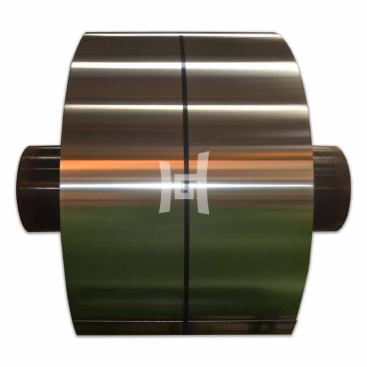
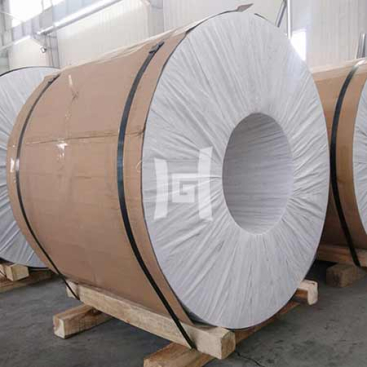 6xxx Series Aluminum Coil, Aluminum Coil Suppliers Professional Aluminum Products
6061 Stucco Aluminum Coils 6061 AMS4025 ASTM B209 6061 Aluminum Alloy Coil 300 mm
6061 aluminum coil is renowned for its excellent mechanical properties, weldability, and corrosion resistance, making it a popular choice for general-purpose applications. It comes in various grades, including the…
-
 Aluminum Coil Suppliers Professional Aluminum Products
Painted Aluminum Coil
Painted aluminum coils combine the lightweight, corrosion-resistant, and formable properties of aluminum with decorative and protective paint coatings. These characteristics make them highly suitable for construction, transportation, appliance manufacturing,…
-
 1xxx Series Aluminum Coil, Aluminum Coil Suppliers Professional Aluminum Products
1060 Aluminum Coil
1060 aluminum is classified as industrial aluminum, with an aluminum content of 99.60%. It cannot be strengthened through heat treatment. While its shear strength is similar to 1050 aluminum,…