

- Description
- Inquiry
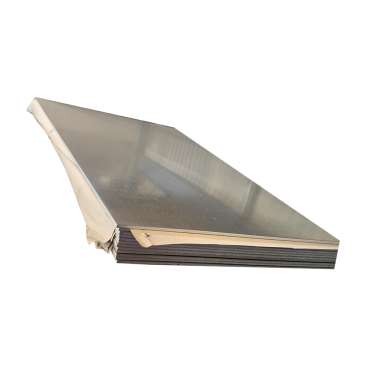
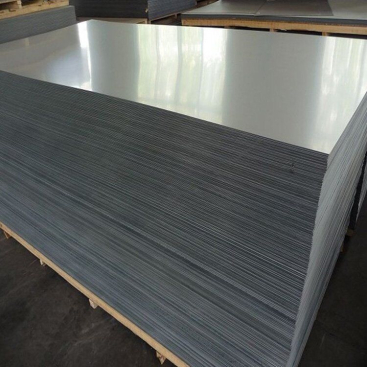
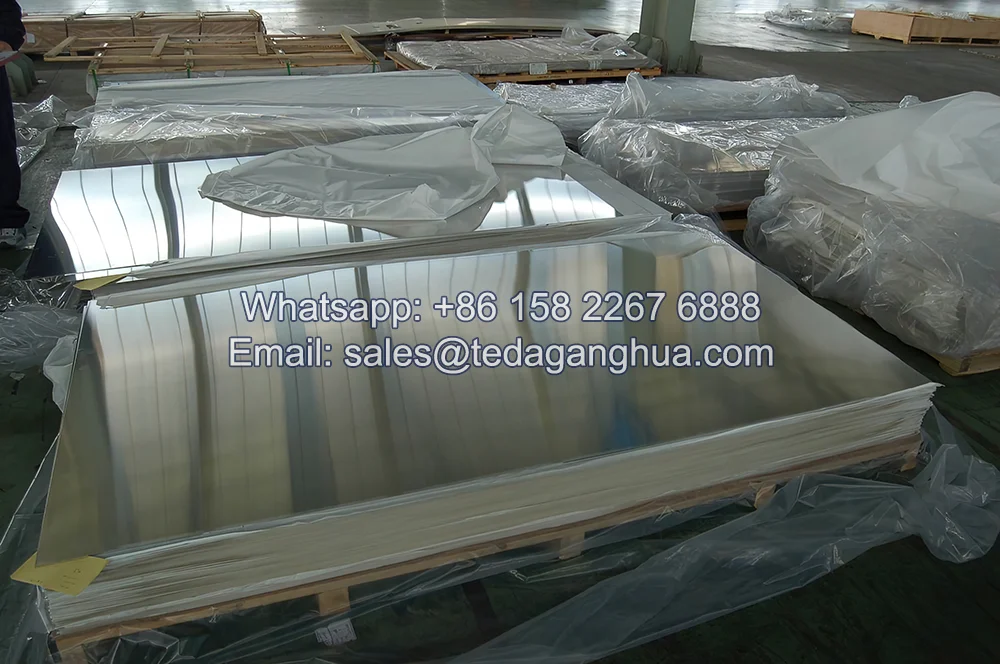
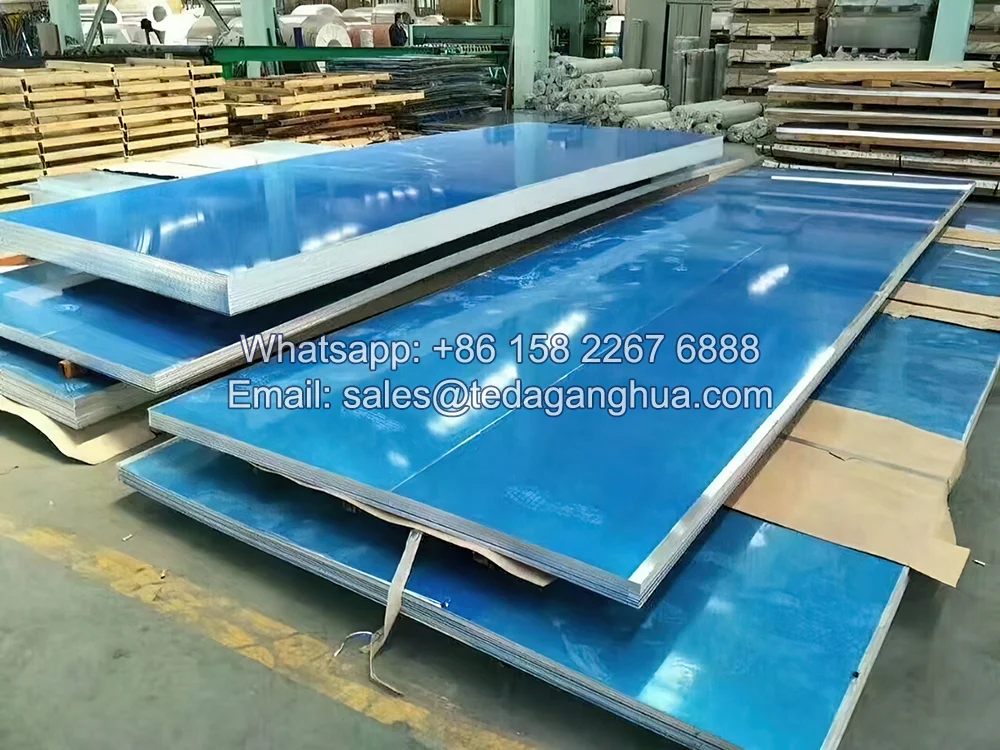
Aluminum sublimation blanks are often evaluated by their polymer coating, but the coating is only one part of the finished product. The aluminum substrate underneath also plays an important role in determining printing consistency, surface quality, and the percentage of finished panels that meet quality requirements. Even when the coating is suitable for heat transfer, variations in thickness, flatness, surface condition, or cleanliness can affect the final result. For buyers sourcing sublimation-ready aluminum panels, understanding the relationship between the base metal and the coating is essential for achieving consistent production quality.
The Coating Makes Printing Possible, but the Aluminum Substrate Determines Consistency
Ordinary bare aluminum does not provide the functional receiving surface required for conventional dye-sublimation printing. A specially formulated polymer coating is needed to receive and retain the transferred dye. However, having a suitable coating does not automatically guarantee consistent printing results.
A finished sublimation panel is a three-layer production system involving the aluminum substrate, the polymer coating, and the heat-transfer process. Each layer contributes to the final appearance. The coating provides the printable surface, the base metal provides dimensional and mechanical support, and the transfer process determines how the image is applied. Variation in any of these stages may become visible in the finished product.
Key purchasing principle: The coating determines whether the aluminum can receive sublimation printing, while substrate consistency helps determine how many finished panels meet the required quality standard.
Four Aluminum Substrate Requirements That Affect Sublimation Quality
When purchasing aluminum panels for sublimation applications, buyers should evaluate more than the coating specification. Four substrate characteristics deserve particular attention because they can influence production stability and finished-panel quality.
1. Consistent Thickness and Thickness Tolerance
Thickness consistency is important when multiple panels are processed using the same transfer equipment and production settings. Differences in panel thickness can affect positioning, contact conditions, and heat distribution within the production setup. These variations may contribute to inconsistent transfer results across a batch.
For commercial production, buyers should specify the nominal thickness together with the acceptable thickness tolerance. Checking thickness consistency across multiple positions and panels is more useful than relying on a single measurement.
2. Flatness and Panel Shape
A flat aluminum panel provides a more stable contact surface during transfer. Warping, bending, or unevenness can create localized gaps between the transfer paper and the coated panel. Where contact is incomplete, the transferred image may show uneven coverage, missing areas, or inconsistent visual appearance.
Flatness becomes especially important when processing large-format panels or batches that require consistent positioning. Buyers should clarify flatness expectations and inspect the material under suitable conditions before production.
3. Surface Condition Without Visible Scratches
The aluminum substrate provides the foundation for the coating. Scratches, dents, and other surface defects may affect the uniformity of the coating process or remain visible through the finished surface, depending on their depth and the coating system.
A smooth, consistent substrate helps reduce the risk of surface-related defects. During incoming inspection, buyers should check both sides of the panel where relevant, paying particular attention to scratches, handling marks, dents, and localized surface damage.
4. Surface Cleanliness Before Coating
Oil, grease, dust, and other contaminants can interfere with coating preparation and adhesion. Even when the aluminum alloy and thickness meet the purchasing specification, inadequate surface cleaning may create problems during subsequent coating operations.
For this reason, surface preparation should be treated as part of substrate quality control. Buyers sourcing uncoated panels for their own coating operations should confirm the cleaning and preparation requirements with the coating processor.
Comparison of Four Substrate Quality Factors
The following table summarizes the main inspection points and their potential influence on sublimation production.
| Substrate Factor | What to Inspect | Potential Production Impact | Purchasing Focus |
|---|---|---|---|
| Thickness tolerance | Thickness consistency across panels | Variation in contact and processing conditions | Nominal thickness and tolerance |
| Flatness | Warping, bending, and uneven surfaces | Localized incomplete contact during transfer | Flatness requirements and inspection |
| Surface condition | Scratches, dents, and handling marks | Visible defects or uneven coating appearance | Surface quality and protection |
| Cleanliness | Oil, grease, dust, and residues | Potential coating adhesion problems | Cleaning and preparation requirements |
Pre-Coated Aluminum or Uncoated Aluminum: Who Is Responsible?
Another important purchasing decision is whether to buy aluminum panels with the sublimation coating already applied or purchase uncoated aluminum and arrange coating separately. Both supply arrangements can work, but they create different quality-control responsibilities.
Option A: Purchase Pre-Coated Aluminum Panels
When purchasing pre-coated panels, the aluminum substrate and polymer coating are supplied as one finished product. The buyer has a clearer point of responsibility for overall product conformity, provided that the supplier’s agreement covers both components.
- Confirm the coating is specifically designed for sublimation transfer.
- Request substrate and finished-panel specifications.
- Clarify how coating defects and substrate defects are handled.
- Evaluate sample panels before placing a bulk order.
Option B: Purchase Uncoated Aluminum for Independent Coating
When buyers purchase bare aluminum and arrange the coating process independently, responsibility is divided between the aluminum supplier and the coating processor. Substrate defects and coating defects therefore need to be assessed separately.
- The aluminum supplier is responsible for the agreed base-metal specifications.
- The coating processor is responsible for the agreed coating process and finished coating requirements.
- Both parties should agree on incoming inspection and defect documentation.
- The buyer should maintain traceability between substrate batches and coated batches.
The first question to ask your supplier: Is the sublimation coating included in the supplied product, or are you supplying uncoated aluminum only?
How to Specify Aluminum Substrate Quality When Requesting a Quote
A purchasing inquiry should define the substrate requirements and coating responsibilities before production begins. General descriptions such as aluminum sublimation blank or printable aluminum panel are not always sufficient to establish consistent supply quality.
A practical inquiry should include the following information:
- Aluminum grade: Specify the required alloy and temper according to the intended application.
- Dimensions: State the required panel length, width, and nominal thickness.
- Thickness tolerance: Define the acceptable variation across the supplied batch.
- Flatness: Identify the flatness requirements for the panel format and processing method.
- Surface condition: Specify acceptable limits for scratches, dents, and other visible defects.
- Surface cleanliness: Confirm the required condition before coating or further processing.
- Coating responsibility: Confirm whether the supplier delivers coated or uncoated panels.
- Inspection requirements: Agree on sample approval, batch inspection, and defect handling.
This information helps suppliers understand the actual production requirements rather than quoting based only on alloy and dimensions.
Teda Ganghua: Aluminum Material Supply for Further Processing
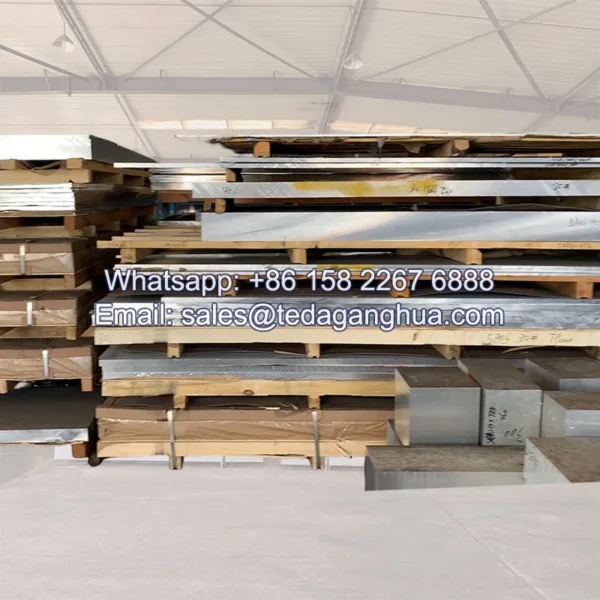
Teda Ganghua Metal is a Tianjin TEDA-based steel and metal stockist with 20 years of stockist experience and export experience. For buyers sourcing aluminum materials for further processing, selecting a supplier that understands dimensional consistency, surface condition, material specifications, and batch inspection is an important part of supply-chain management.
Teda Ganghua supports aluminum material sourcing for industrial and fabrication applications. Buyers can discuss alloy selection, thickness, dimensions, surface requirements, cutting specifications, and material documentation according to their project needs. For sublimation-related production, the substrate requirements should be confirmed separately from the polymer coating specifications to establish clear quality responsibilities.
Explore Teda Ganghua’s aluminum sheet product range to discuss material specifications and sourcing requirements. Third-party inspection certificates and material test certificates can be discussed according to the order requirements. Buyers are welcome to arrange material inspection before shipment.
For manufacturers producing customized printing panels, the objective should be to establish a stable relationship between the aluminum substrate, coating process, and transfer operation. Consistent incoming material quality makes it easier to identify defects, control production variation, and improve the proportion of qualified finished panels.
Frequently Asked Questions
1. Can ordinary bare aluminum be used directly for sublimation printing?
No. Conventional dye-sublimation printing on aluminum requires a suitable polymer-coated receiving surface. Bare aluminum alone does not provide the necessary dye-receptive layer.
2. Why does aluminum thickness consistency matter for sublimation?
Thickness variations can affect panel positioning, contact conditions, and heat distribution during processing. Consistent thickness helps maintain more predictable production conditions across a batch.
3. Can scratches on aluminum affect the final printed panel?
Yes. Depending on their depth and the coating system, substrate scratches may influence coating uniformity or remain visible in the finished appearance. Surface inspection is therefore important before coating.
4. Should I purchase pre-coated or uncoated aluminum panels?
Pre-coated panels provide a more centralized supply responsibility for the substrate and coating, while uncoated panels offer flexibility for buyers with their own coating process. The appropriate choice depends on production capabilities and quality-control arrangements.
5. What should I confirm before ordering aluminum for sublimation?
Confirm the aluminum alloy, thickness and tolerance, panel dimensions, flatness, surface condition, cleanliness, coating responsibility, and inspection requirements. These details help establish clear specifications and reduce quality disputes between suppliers and processors.
Related products
-
 1000 Series Aluminum Sheet, Aluminum Sheets, Pure Aluminum Sheet
1070 Aluminum Sheet
1070 Aluminum Sheet is the second most widely used metal in the world today. lt is a versatile metal that can be cast into any form. This lightweight metal…
-
 3000 Series Aluminum Sheet, Aluminum Sheets
3A21 Aluminum Sheet
Why Choose Teda Ganghua 3A21 Aluminium?
Teda Ganghua supplies high-quality 3A21 aluminium sheet and plate in various sizes and tempers (O, T3, T4, T6, H111, H112, H116). Our hot-selling 3A21… -
 Aluminum Sheets, 2000 Series Aluminum Sheet
2124 Aluminum Sheet
2124 aluminum sheet is a high-strength aluminum alloy known for its good performance at low temperatures and high electrical conductivity. While its inherent corrosion resistance is relatively poor, this…
-
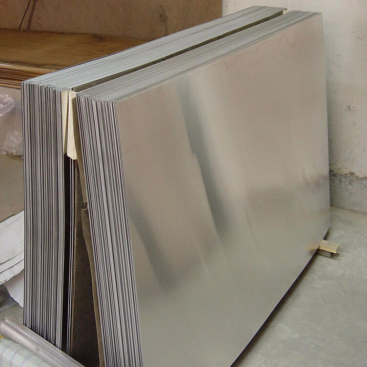 Aluminum Sheets, 5000 Series Aluminum Sheet, Marine Grade Aluminum Sheet
5059 Aluminum Sheet
5059 aluminum sheet is a high-strength, corrosion-resistant alloy primarily made with magnesium. It gains strength through strain hardening rather than heat treatment and is commonly welded using MIG or…
-
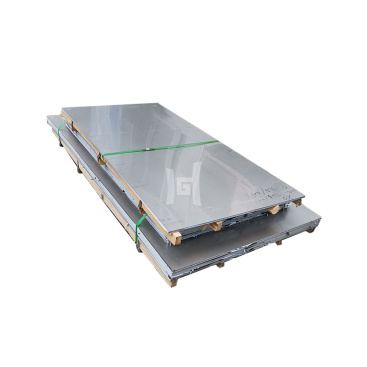
 5000 Series Aluminum Sheet, Aluminum Sheets, Marine Grade Aluminum Sheet
5086 Aluminum Sheet
5086 aluminum sheet, a typical 5000 series Al-Mg alloy, is widely used in shipbuilding for hulls, decks, and operating tables due to its excellent corrosion resistance, good weldability, and…
-
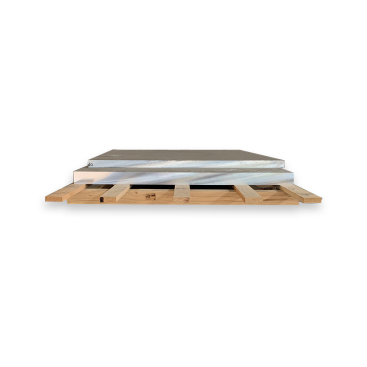
 Aluminum Sheets, 2000 Series Aluminum Sheet
2219 Aluminum Alloy Sheets
Aluminum Alloy 2219 is a copper-reinforced, age-hardenable alloy known for its high structural strength and suitability for high-temperature applications. It supports various metalworking processes like machining, forming, and heat…
-
 1000 Series Aluminum Sheet, Aluminum Sheets, Pure Aluminum Sheet
1060 Aluminum Plate
1060 Aluminum Alloy – Overview and Applications
Teda Ganghua Metal supplies 1060 aluminum alloy, a high-purity grade with an aluminum content of at least 99.6%. This alloy offers excellent weldability,…