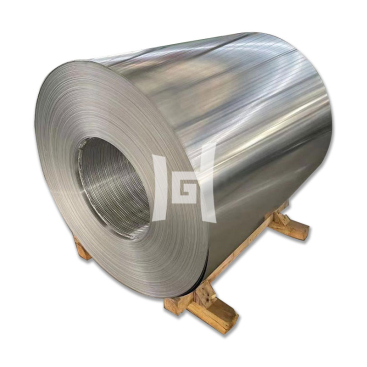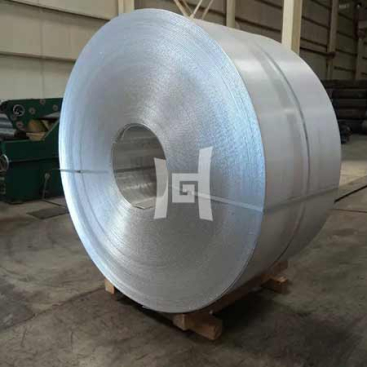
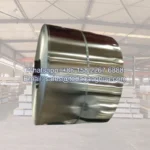
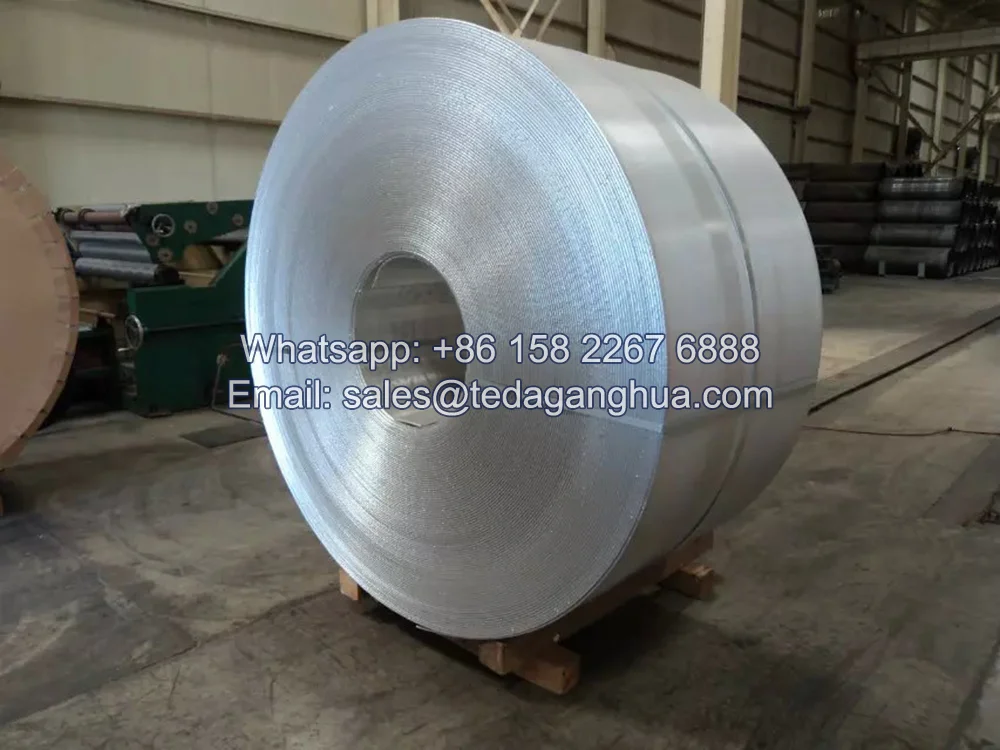
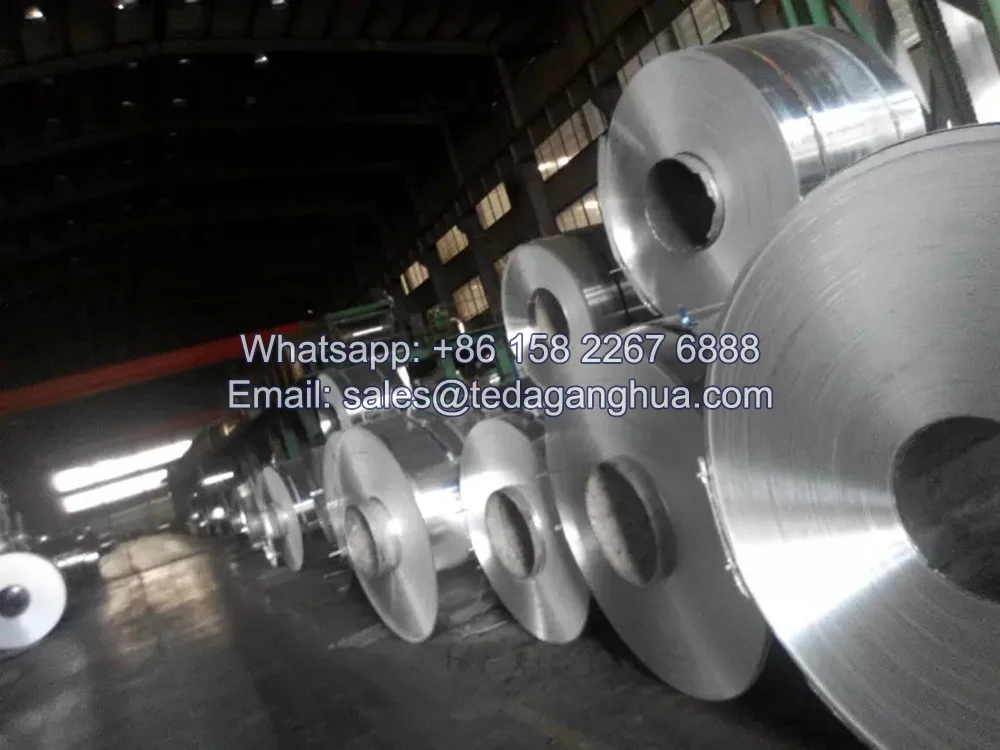
Высокопрочная алюминиевая катушка
- Описание
- Расследование
High strength aluminum coil is a common search term in industrial purchasing, Автомобильное производство, транспорт, строительство, и инженерные приложения. Однако, the phrase “Высокая сила” does not identify one specific aluminum alloy or one particular strengthening mechanism. Different aluminum alloy families achieve higher strength through different metallurgical processes, and these processes create different requirements for forming, сварка, термическая обработка, and material supply.
Before selecting a high-strength material, buyers need to answer one important question: Does the application require higher tensile strength or higher yield strength? These two requirements are related, but they are not interchangeable. The answer can lead to completely different alloy families and manufacturing solutions.
What Does High Strength Mean in Aluminum Coil?
In aluminum engineering, strength is not a single property. Tensile strength and yield strength describe different aspects of material behavior.
- Предел прочности: The maximum stress a material can withstand during a tensile test before fracture-related failure occurs.
- Предел текучести: The stress level at which a material begins to undergo permanent deformation under the applicable test definition.
A manufacturer producing a load-bearing component may prioritize resistance to permanent deformation, while another application may focus on the material’s overall tensile performance. Поэтому, simply requesting high strength without identifying the required property can lead to an unsuitable material selection.
The key purchasing question
When requesting high-strength aluminum coil, specify whether the priority is tensile strength, предел текучести, or both. Then identify the forming, сварка, и требования к обслуживанию.
Two Different Routes to High Strength
Aluminum alloys achieve higher strength through different mechanisms. For industrial coil applications, two important routes are strain hardening and precipitation hardening.
| Strengthening Route | Representative Series | How Strength Increases | Главный компромисс |
|---|---|---|---|
| Деформационное упрочнение | 5ххх | Strength develops through accumulated cold working. | Forming flexibility generally decreases as work hardening increases. |
| Дисперсионное твердение | 6ххх / 7ххх | Strength develops through controlled heat treatment and precipitation. | Requires suitable heat-treatment capability and has a narrower practical coil supply range in many applications. |
These are fundamentally different strengthening routes. They should not be compared as though they were simply two grades offering different strength levels. Their processing histories, final properties, and fabrication requirements are different.
Route One: Strain-Hardened Aluminum in the 5xxx Series
The 5xxx aluminum family uses magnesium as its principal alloying element. Its strength comes mainly from solid-solution strengthening and strain hardening rather than conventional precipitation hardening.
During cold rolling and other deformation operations, the material accumulates plastic strain. This increases resistance to further deformation and improves strength. Однако, the material generally becomes less flexible for subsequent forming operations as the degree of work hardening increases.
How This Route Works in Coil Production
Aluminum coil is particularly suitable for controlled rolling and continuous processing. By selecting the appropriate alloy and temper, manufacturers can obtain different combinations of strength and formability.
This route is commonly considered for:
- Transportation components requiring a balance of strength and corrosion resistance.
- Marine and industrial fabricated components.
- Structural panels requiring suitable welding characteristics.
- Products where cold-worked material conditions are acceptable.
One important consideration is welding. Welding heat can locally alter the work-hardened condition, resulting in changes to mechanical properties around the weld area. Engineers should therefore evaluate the properties of the finished welded component rather than relying only on the original coil condition.
Route Two: Precipitation-Hardened Aluminum in the 6xxx and 7xxx Series
The 6xxx and 7xxx families achieve strength through heat-treatment-related precipitation mechanisms. Their strengthening process differs significantly from the cold-work-dominated route used by many 5xxx alloys.
6ххх серии: Strength and Fabrication Balance
The 6xxx series generally uses magnesium and silicon as its principal alloying elements. Through suitable solution treatment and artificial or natural aging, strengthening precipitates develop within the aluminum matrix.
This family is widely used in transportation, строительство, техника, and engineered components. Some grades are available in coil form, but the supply condition and production route must be checked carefully.
Для покупателей, the main consideration is whether the required strength, процесс формирования, and final temper can be achieved through the available manufacturing route.
7ххх серии: Strength-Oriented Applications
The 7xxx series is primarily based on aluminum-zinc alloy systems and can achieve very high strength through controlled precipitation hardening. It is often associated with demanding engineering and transportation applications.
Однако, high strength does not automatically mean suitability for every industrial coil application. Depending on the specific grade and condition, factors such as stress-corrosion behavior, прочность, ограничения сварки, формирование требований, and processing costs need careful consideration.
Coil availability is also more restricted for many high-performance products because of the processing and heat-treatment requirements. Buyers should confirm whether the requested alloy and temper are commercially available in the required coil dimensions.
Tensile Strength vs. Предел текучести: Which One Should You Specify?
One of the most important steps in purchasing is translating the phrase high strength into a measurable engineering requirement.
| Требование | What It Evaluates | Типичная инженерная проблема |
|---|---|---|
| Предел прочности | Resistance to tensile loading up to the maximum measured stress. | Load capacity and tensile performance. |
| Предел текучести | Resistance to the onset of permanent deformation. | Dimensional stability and resistance to permanent bending. |
| Удлинение | The material’s deformation capacity during tensile testing. | Formability and deformation tolerance. |
A component that must maintain its original shape under repeated loading may place greater emphasis on yield behavior. A component designed around tensile loading may require closer attention to tensile strength and elongation.
These properties should be specified together where necessary. Selecting material solely by its highest tensile strength can produce a poor result if the application also requires forming, сварка, or dimensional stability.
Why High Strength Can Reduce Weldability and Formability
Increasing material strength often introduces additional manufacturing constraints. These trade-offs depend on the alloy family, характер, толщина, и способ изготовления.
Formability Considerations
Cold-worked materials generally lose some remaining deformation capacity as work hardening increases. Precipitation-hardened materials may also require specific forming and heat-treatment sequences to achieve the intended final condition.
For coil buyers, радиус изгиба, направление формирования, оснастка, and the timing of forming relative to heat treatment should be discussed before selecting the material.
Рекомендации по сварке
Welding introduces localized heat that can change the microstructure and mechanical properties of aluminum alloys. In strain-hardened alloys, the heat-affected zone may lose part of its work-hardened strength. In precipitation-hardened alloys, welding can dissolve or coarsen strengthening precipitates and reduce local strength.
Some high-strength aluminum alloys also have limitations in conventional fusion welding. The exact alloy and joining method must therefore be evaluated together.
Инженерное напоминание
Higher strength can mean less forming flexibility and more demanding welding requirements. Never specify high strength without identifying the finished component and its manufacturing process.
How to Choose the Right High-Strength Aluminum Coil
Прежде чем разместить заказ, buyers should define the direction of strength required and then match it with the appropriate alloy family.
| Требования к приложению | Selection Direction | Important Check |
|---|---|---|
| Cold-worked strength with corrosion resistance | 5ххх серия | Temper and remaining forming capacity. |
| Strength with heat-treatment flexibility | 6ххх серия | Heat-treatment route and final material condition. |
| Very high strength engineering applications | Selected 7xxx grades | Stress-corrosion behavior, joining limitations, и доступность. |
| Сварные конструктивные элементы | Application-specific alloy selection | Heat-affected-zone properties and welding procedure. |
| Deep forming or complex bending | Formability-oriented temper and alloy | Удлинение, радиус изгиба, and processing sequence. |
What Buyers Should Include in a Coil Inquiry
A useful inquiry should describe the actual engineering requirement instead of simply requesting a high-strength product. The following information helps suppliers evaluate whether the requested material can be supplied in a suitable condition.
- Alloy series or exact grade: Identify the preferred strengthening route or required designation.
- Strength requirements: Specify tensile strength, предел текучести, or both according to the applicable standard.
- Характер: Confirm the required material condition.
- Размеры: Укажите толщину, ширина, coil inner diameter, and required weight.
- Изготовление: Describe bending, штамповка, сварка, механическая обработка, or other processing operations.
- Service environment: Identify exposure to corrosion, температура, and mechanical loading.
- Документация: Подтвердите сертификаты на материалы, требования к инспекции, and applicable technical standards.
High-Strength Aluminum Coil Supply from Teda Ganghua
Teda Ganghua Metal поставляет алюминиевые материалы для промышленного производства, транспорт, строительство, и инженерные приложения. С 20 years of steel stockist experience in Tianjin TEDA, the company supports international buyers with material sourcing, dimensional confirmation, and customized supply arrangements.
For customers looking for high-strength aluminum coil, selecting the correct alloy family and temper is an important starting point. Teda Ganghua can discuss requirements involving 5xxx, 6ххх, and other aluminum alloy series according to the intended application, необходимые размеры, and fabrication conditions.
Доступные механизмы обработки могут включать резку, стрижка, индивидуальный размер, and other services according to material specifications. Material test certificates and inspection documentation can be discussed based on individual order requirements. Customers are welcome to arrange inspection before shipment to verify the supplied materials.
Исследуйте Теда Ганхуа алюминиевые листы и рулонные изделия for industrial and engineering manufacturing requirements.
При отправке запроса, please specify whether your priority is tensile strength, предел текучести, or both. Including the final application, требования к сварке, процесс формирования, предпочтение сплава, характер, and coil dimensions will help establish a more appropriate material specification.
Часто задаваемые вопросы
1. What does high-strength aluminum coil mean?
It refers to aluminum coil selected for higher mechanical strength requirements. Однако, the term does not identify one specific alloy. Buyers must clarify the required tensile strength, предел текучести, семейство сплавов, и нрав.
2. Which aluminum series is used for high-strength applications?
The 5xxx, 6ххх, and 7xxx families can all serve strength-oriented applications, but they use different strengthening mechanisms. The appropriate family depends on forming, сварка, коррозия, и требования к обслуживанию.
3. What is the difference between strain hardening and precipitation hardening?
Strain hardening increases strength through accumulated plastic deformation, while precipitation hardening uses controlled heat treatment to develop strengthening precipitates within the alloy structure.
4. Can high-strength aluminum coil be welded?
Some alloys are suitable for welding, while others have significant joining limitations. Welding heat can also reduce local strength in the heat-affected zone. The exact alloy, характер, наполнительный материал, and welding procedure should be evaluated together.
5. What information is needed to purchase high-strength aluminum coil?
Buyers should provide the alloy or series, required strength properties, характер, толщина, ширина, размеры катушки, предполагаемое применение, требования к изготовлению, и ожидания от документации.
Сопутствующие товары
-
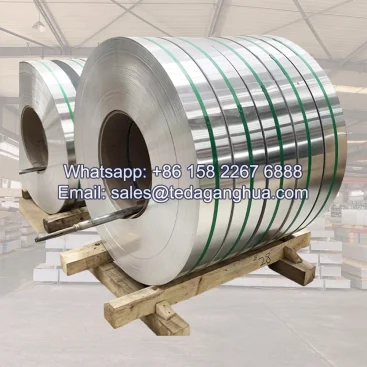 Поставщики алюминиевых катушек Профессиональные алюминиевые продукты
Белый алюминиевый рулонный материал
Белый алюминиевый рулонный материал приобретает свой внешний вид главным образом благодаря естественному оксидному слою., состав сплава, и процессы отделки поверхности. Общие оценки включают 1xxx., 3ххх, 5ххх, и серия 6ххх, каждый…
-
 Поставщики алюминиевых катушек Профессиональные алюминиевые продукты
2024т3 Алюминий
2024-Алюминий Т3 – высокопрочный, алюминиевый сплав на основе меди, известный превосходными механическими характеристиками, устойчивость к усталости, и умеренная коррозионная стойкость. Его уникальный состав и закалка Т3 делают его предпочтительным.…
-
 1Алюминиевая катушка серии xxx, Поставщики алюминиевых катушек Профессиональные алюминиевые продукты
1050 Алюминиевая катушка
The 1050 алюминиевая катушка является частью 1 ряд, с содержанием алюминия по крайней мере 99.5%, Согласно международным стандартам. У него простой производственный процесс, изготовление…
-
 6Алюминиевая катушка серии xxx, Поставщики алюминиевых катушек Профессиональные алюминиевые продукты
6061 Штукатурные алюминиевые катушки 6061 AMS4025 ASTM B209 6061 Алюминиевый сплав катушка 300 мм
6061 Алюминиевая катушка известна своими превосходными механическими свойствами, свариваемость, и коррозионная стойкость, Сделать его популярным выбором для приложений общего назначения. Это в разных оценках, в том числе…
-
 Поставщики алюминиевых катушек Профессиональные алюминиевые продукты
Цена рулона алюминиевого листа
Рулоны алюминиевого листа, как правило, более экономичны, чем рулоны из нержавеющей стали., особенно когда вес и гибкость изготовления имеют решающее значение. В то время как нержавеющая сталь обеспечивает более высокую прочность и исключительную коррозионную стойкость., алюминий…
-
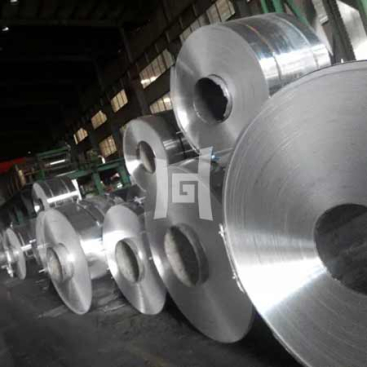 1Алюминиевая катушка серии xxx, Поставщики алюминиевых катушек Профессиональные алюминиевые продукты
1100 Алюминиевая катушка
Алюминий Teda специализируется на исследовании, разработка, и производство горячих 1100 алюминиевые катушки. Эти катушки, изготовлен из промышленного чистого алюминия, предложить высокое удлинение, Отличная прочность на растяжение, и выдающийся…
-
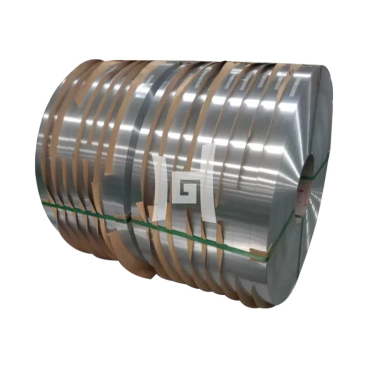
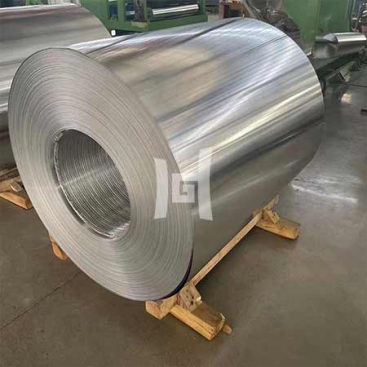 Поставщики алюминиевых катушек Профессиональные алюминиевые продукты
5000 Серия алюминиевых катушек Высокопрочный алюминиевый лист
Металл Теда Ганхуа обеспечивает широкий спектр 5000 серии алюминиевых катушек, включая:5083, 5754, 5086, 5454, 5052, 5251, 5А05, и 5A06
Типичные приложения:Судостроение
Аэрокосмические сооружения
Автомобильное производство
Вывески и…