- 説明
- 問い合わせ
7075 aluminum coil is an uncommon product request for a familiar high-strength aluminum alloy. 7075 is widely recognized in aerospace and other demanding structural applications because of its excellent strength potential. しかし, the same characteristics that make it attractive for highly loaded components also create limitations in corrosion performance, 溶接, 形にする, and product availability.
Unlike general-purpose aluminum alloys selected for easy fabrication, 7075 requires a more deliberate balance between strength, 耐食性, および処理要件. Its different heat-treatment conditions provide different combinations of properties, so choosing the alloy designation alone is not enough.
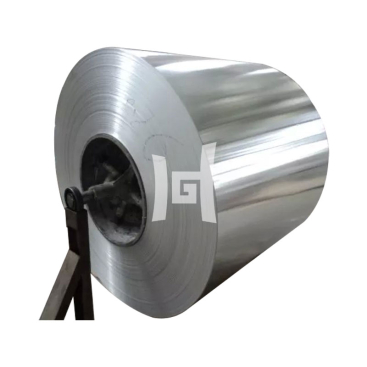
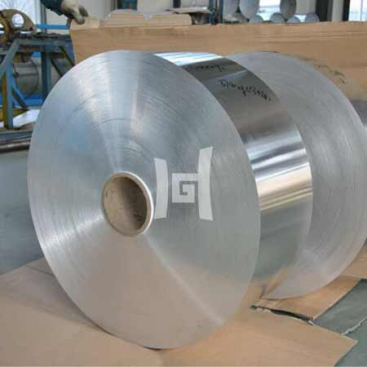
There is also an important product-form issue. 7075 is commonly supplied as plate, シート, extruded products, and forgings depending on the specification and manufacturer. Genuine continuous coil is extremely uncommon. Many buyers searching for 7075 coil are actually looking for thin sheet material.
The Three Defining Characteristics of 7075
Understanding this alloy requires looking beyond its high-strength reputation. Its application suitability depends on what the design prioritizes and what fabrication processes will be used.
| Key Factor | それが意味するもの | 購入検討 |
|---|---|---|
| Strength positioning | One of the highest-strength options among commonly used aluminum alloys. | Suitable when structural strength and weight reduction are major design priorities. |
| Processing trade-offs | Relatively limited corrosion resistance, poor conventional weldability, and a narrower forming window. | Consider joining, 保護, 機械加工, and forming requirements before selecting the grade. |
| Heat-treatment condition | Different conditions provide different balances between strength, 腐食挙動, and stress-related performance. | Specify the required condition according to the design and applicable material specification. |
なぜ 7075 Is Known for High Strength
7075 belongs to the 7xxx aluminum alloy series, which uses zinc as a major alloying element. Its strength potential is developed through controlled heat treatment and precipitation hardening. This makes it suitable for components where high structural performance is required without the weight of many conventional engineering materials.
In aerospace structures, material selection often involves balancing strength, 重さ, 疲労性能, 腐食挙動, および製造要件. 7075 is used where its combination of properties fits the engineering design, rather than simply because it is the strongest available option.
Its high-strength positioning is particularly valuable in machined structural components, 航空機の付属品, and other applications where the design can take advantage of a strong aluminum material and manage its processing limitations.
The central material-selection principle
7075 is a typical example of choosing strength at the expense of some corrosion resistance, 溶接性, and forming flexibility. Its suitability must be judged against the complete component design.
The Trade-Off: Strength Does Not Come Without Limits
1. Corrosion Resistance Requires Attention
Compared with several widely used aluminum alloys designed for general fabrication and corrosion resistance, 7075 requires more careful consideration of its service environment. Its corrosion behavior can be affected by material condition, 暴露, 表面保護, and design details.
For applications exposed to moisture, salts, または攻撃的な環境, buyers should review the required corrosion protection and inspection provisions. 表面処理, 保護コーティング, design practices, and maintenance may all form part of the material selection.
2. Conventional Welding Is Not Its Main Strength
7075 is generally considered difficult to weld using conventional fusion-welding processes. Welding can introduce cracking risks and changes in the properties of the heat-affected region. このため, it is not a typical choice for welded aluminum pipework or structures that depend on extensive fusion welding.
Where a design requires joining, engineers may evaluate mechanical fastening or other suitable joining methods. The selected method must be compatible with the component design, サービス条件, および適用されるエンジニアリング要件.
3. Forming Flexibility Is Limited
High-strength conditions can leave less room for bending and forming than softer aluminum materials. A process that works well for a general-purpose sheet may cause cracking or dimensional problems when applied to a high-strength 7075 product.
Buyers planning stamping, 深絞り加工, or tight-radius bending should confirm the material condition and manufacturing sequence before ordering. 場合によっては, forming may need to take place at a different stage of the heat-treatment process, subject to qualified process control.
Heat-Treatment Condition: The Balance Behind the Grade
One reason 7075 requires careful specification is that the alloy can be supplied in different heat-treatment conditions. These conditions are not merely catalogue labels. They represent different processing histories and property combinations.
Some conditions prioritize high strength, while others are selected to improve resistance to stress-corrosion-related problems or support particular fabrication requirements. The correct choice depends on the design, 材料の厚さ, サービス環境, および適用される規格.
| 選択の考慮事項 | What to Evaluate | なぜそれが重要なのか |
|---|---|---|
| Strength requirement | The design loads and required material performance. | The selected condition must meet the structural design basis. |
| 腐食にさらされる | 水分, 海洋の雰囲気, 化学薬品, and other service conditions. | A high-strength condition may not be the best choice when corrosion-related performance is critical. |
| Fabrication route | 機械加工, 形にする, 接合, そして表面保護. | The manufacturing sequence must be compatible with the supplied material condition. |
| Inspection and certification | 適用仕様, トレーサビリティ, およびテスト要件. | Documentation must support the intended application and acceptance criteria. |
There is no universally best condition for every 7075 応用. A buyer should provide the engineering specification rather than asking for the highest-strength option by default. The correct condition is the one that satisfies the complete performance and manufacturing requirements.
なぜ 7075 Is Used in Aerospace Structures, Not Welded Pipelines
Aerospace structural components often use machined parts, mechanical fasteners, and carefully controlled assembly methods. These approaches can make use of 7075’s high-strength characteristics while managing its limitations in conventional welding and corrosion protection.
Welded pipelines and similar fabrication systems have different priorities. They generally require reliable joining, suitable corrosion performance, and practical fabrication across long lengths and multiple connections. An alloy with difficult fusion-welding behavior is therefore not a natural choice for these applications.
This does not mean that 7075 has no possible joining solutions. It means that conventional welded pipework is not its typical application, and any specialized joining method must be validated for the intended service.
7075 皿, シート, and Coil: Confirm the Actual Product Form
Although the alloy is well known, its product forms are not equally common. Plate and other established forms are more familiar in high-strength structural supply. Sheet is also available under suitable specifications, while continuous coil is exceptionally rare.
| 製品形態 | Typical Supply Context | Buyer Reminder |
|---|---|---|
| 皿 | A familiar form for machined structural and aerospace components. | 厚みの確認, 状態, 仕様, および検査要件. |
| シート | Available for certain thin flat-material applications, subject to specification and supplier capability. | 厚さを指定してください, 幅, 長さ, 状態, and intended forming operations. |
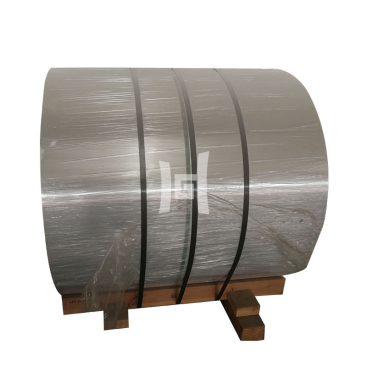
| コイル | An exceptionally uncommon product form that requires specialized confirmation. | Verify that the offer is genuine continuous coil rather than cut or leveled sheet. |
When an inquiry says “7075 coil,” the actual requirement may be thin sheet supplied in flat pieces. This is a common distinction worth resolving before discussing production, パッケージング, そして配達.
Questions to Ask Before Ordering
Because product form and heat-treatment condition are both important, a complete inquiry should include more than the alloy designation.
- Actual product form: Is the requirement continuous coil, slit strip, シート, またはプレート?
- Material condition: Which condition is specified by the drawing or engineering standard?
- 寸法: What thickness, 幅, and length are required?
- 製作: Will the material be machined, 曲がった, 形成された, mechanically joined, または溶接?
- Service environment: Will the component face moisture, 塩害にさらされる, or other corrosion risks?
- ドキュメント: Are material test certificates, トレーサビリティ記録, or third-party inspection required?
For aerospace or other safety-critical applications, the supplied product must comply with the project specification and approval requirements. A generic commercial description is not a substitute for material qualification.
Aluminum Material Sourcing from Teda Ganghua
Teda Ganghua Metal supports industrial buyers with aluminum material sourcing, 仕様の確認, and customized supply arrangements. と 20 years of steel stockist experience in Tianjin TEDA, the company helps customers clarify alloy, 製品形態, 寸法, and documentation requirements before quotation.
For buyers evaluating high-strength aluminum materials, it is important to distinguish between plate, シート, and genuine coil. Teda Ganghua can discuss available アルミ板製品 according to project requirements, including dimensional confirmation and suitable cutting arrangements.
Material test certificates and inspection documentation can be discussed according to the order specification. Customers are welcome to arrange inspection before shipment to check material identification, 寸法, and agreed quality requirements. For specialized aerospace applications, buyers should provide the applicable standard and approval requirements so that the supply scope can be evaluated accurately.
お見積り依頼時, specify whether you need flat sheet or continuous coil. If the application requires a particular heat-treatment condition, include it in the inquiry rather than relying on the alloy designation alone.
よくある質問
1. は 7075 aluminum coil commonly available?
いいえ. Continuous coil is exceptionally uncommon for this alloy. Plate and other established product forms are more typical. Buyers should verify the actual delivery form with the supplier.
2. なぜですか 7075 considered a high-strength aluminum alloy?
It belongs to the 7xxx series and develops high strength through controlled heat treatment and precipitation hardening. It is widely used in demanding structural applications where its properties fit the design requirements.
3. は 7075 suitable for welding?
It is generally considered unsuitable for conventional fusion welding because of cracking risks and changes in properties around the welded region. Mechanical fastening or other qualified joining approaches may be considered depending on the application.
4. Does every 7075 heat-treatment condition provide the same corrosion performance?
いいえ. Different conditions can provide different balances of strength and corrosion-related performance. The correct selection depends on the service environment, 設計要件, および適用仕様.
5. If I search for 7075 コイル, should I request sheet instead?
If you need flat pieces rather than continuous wound material, sheet may be the more accurate product description. Confirm the actual delivery form, 寸法, 素材の状態, and manufacturing route with the supplier before ordering.
関連商品
-
 アルミニウムコイルサプライヤプロフェッショナルアルミニウム製品, 6xxxシリーズ アルミコイル
6061 スタッコアルミニウムコイル 6061 AMS4025 ASTM B209 6061 アルミニウム合金コイル 300 mm
6061 アルミニウムコイルは優れた機械的特性で知られています, 溶接性, 耐食性, 汎用アプリケーションで人気のある選択肢となっています. 色々なグレードがあります, を含めて…
-
 アルミニウムコイルサプライヤプロフェッショナルアルミニウム製品
アルミニウムシートコイル価格
アルミニウムシートコイルは一般にステンレス鋼よりもコスト効率が高くなります。, 特に重量と製造の柔軟性が重要な場合. ステンレス鋼はより高い強度と優れた耐食性を備えています。, アルミニウム…
-
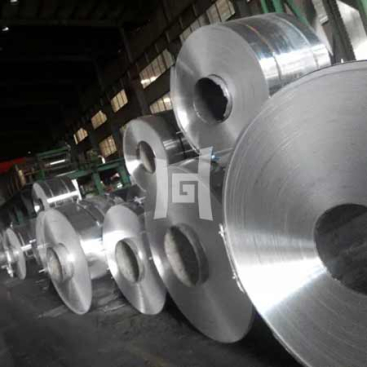 1xxxシリーズ アルミコイル, アルミニウムコイルサプライヤプロフェッショナルアルミニウム製品
1100 アルミコイル
TEDAアルミニウムは研究を専門としています, 発達, ホットロールの生産 1100 アルミコイル. これらのコイル, 工業用の純粋なアルミニウムで作られています, 高い伸びを提供します, 優れた引張強度, そして傑出した…
-
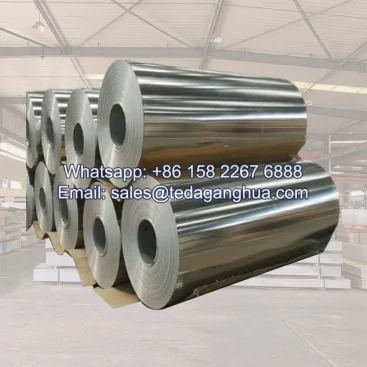 アルミニウムコイルサプライヤプロフェッショナルアルミニウム製品
アルミコイルの在庫サプライヤー
Teda Ganghua は信頼できるアルミニウムコイル在庫サプライヤーおよび加工工場です, 数十年の経験を持つ鉄鋼グループが支援. 私たちの専門チーム, 熟練した労働力, そして社内加工…
-
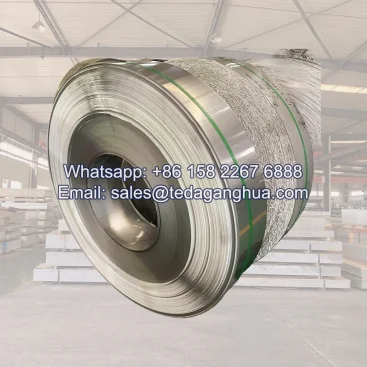 アルミニウムコイルサプライヤプロフェッショナルアルミニウム製品
36 ワイドアルミコイルストック
36-インチ幅のアルミニウムコイルストックは多目的な幅を提供します, 厚さ, および合金オプション, 建築用パネルに適しています, 屋根ふき, サイディング, 交通機関, および装飾用途. 適切なグレードを選択することで…
-
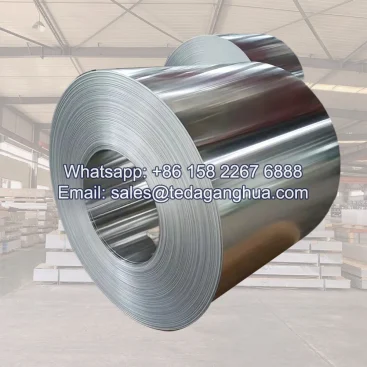 アルミニウムコイルサプライヤプロフェッショナルアルミニウム製品, アルミニウムシート
5052 H34
5052 H34 アルミニウム合金は中高強度の焼き戻しです。 5052 Al-Mgシリーズ, 強度の優れたバランスを提供します, 耐食性, と形成性.
柔らかい気質に比べて, H34 が提供する:…
-
 アルミニウムコイルサプライヤプロフェッショナルアルミニウム製品, 3xxxシリーズ アルミコイル
3004 アルミコイル
3004 アルミニウムコイルは、3xxxシリーズのプレミアムグレードのアルミニウムマンガン合金です, より高い強度を提供します 3003 優れた形成性と腐食抵抗を維持しながら合金. 特別に設計されています…