- 説明
- 問い合わせ
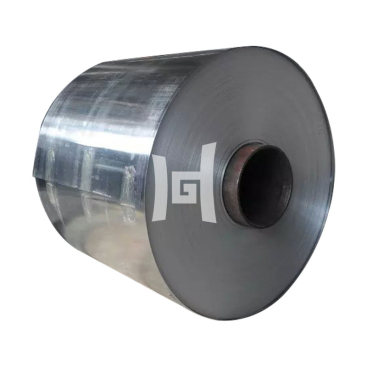
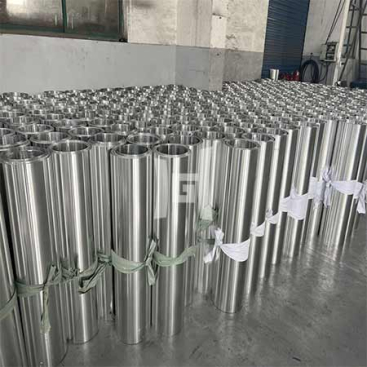
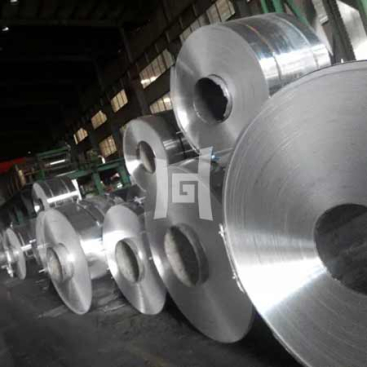
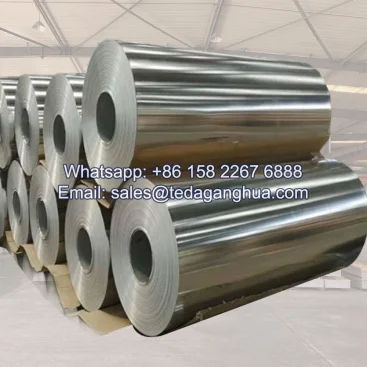
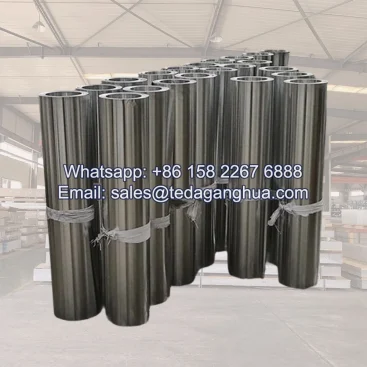
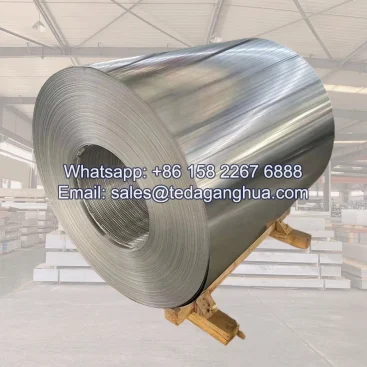
8011 aluminum coil belongs to a group of aluminum alloys closely associated with thin-gauge rolling and foil production. Unlike structural aluminum grades selected mainly for load-bearing performance, 8xxx series alloys are widely used in applications where rolling consistency, 表面品質, 柔軟性, and uniformity are essential.
This is why the 8xxx series occupies a different position in the aluminum market. Its commercial identity is closely connected to foil mills, 梱包材, composite structures, closures, and pharmaceutical packaging. The objective is not simply to produce a strong aluminum product, but to manufacture thin material with stable quality throughout continuous rolling and subsequent processing.
For buyers searching for this material, the key question is how the coil will be converted into the final product. Packaging foil, laminated materials, closure stock, and pharmaceutical packaging may all require different surface conditions, rolling characteristics, and downstream processing performance.
Why the 8xxx Series Is Closely Connected to Foil Production
The 8xxx series includes aluminum alloys developed for specialized applications, と 8011 being a familiar choice in foil and packaging-related markets. Its commercial importance is closely related to the requirements of rolling thin material consistently and supplying it in coil form.
During foil production, aluminum passes through successive rolling stages. As the material becomes thinner, controlling thickness uniformity, 表面状態, エッジ品質, and rolling stability becomes increasingly important. Small inconsistencies can affect the performance of the final foil or the efficiency of downstream converting operations.
Alloy design and rolling process control therefore work together. The material must be suitable for the intended reduction route while maintaining the characteristics required by the final application.
The central idea behind the 8xxx series
The 8xxx series is not simply another group of general-purpose aluminum alloys. It is closely associated with thin-gauge rolling, where the main manufacturing question is whether the material can be rolled thinner and more uniformly while meeting the required quality standards.
Three Common Characteristics of the 8xxx Series
| 要素 | 説明 | Commercial Significance |
|---|---|---|
| Alloy design objectives | Selected alloy systems and processing routes support thin rolling, suitable strength, and stable rolling behavior. | Helps manufacturers achieve consistent foil and thin-strip quality. |
| Typical product form | Coil is a major commercial form, particularly for foil and thin strip. | Supports continuous rolling, スリッティング, ラミネート加工, and converting operations. |
| 代表的な用途 | 包装, composite materials, closures, and pharmaceutical packaging. | The final product depends on surface, 形にする, 封印, and converting requirements. |
These characteristics describe a broad commercial direction rather than a rule that applies identically to every alloy in the 8xxx series. Individual grades have their own specifications and application ranges, so buyers should always confirm the exact alloy and product requirements.
8011 アルミコイル: A Familiar Choice for Packaging Materials
8011 is widely used in aluminum foil and packaging-related products. It is selected for applications where the material needs to pass through rolling and converting processes and then perform reliably in the final package.
1. Flexible Packaging
Aluminum foil is often used as one layer in flexible packaging structures. It can be combined with polymers, 紙, and other materials to create packaging with specific barrier and processing properties.
これらのアプリケーションでは, the aluminum layer is only one part of the finished structure. Buyers should consider the intended laminate design, bonding process, 表面要件, and converting method rather than evaluating the foil material in isolation.
2. 医薬品包装
Pharmaceutical packaging can use aluminum foil as part of blister structures, lidding materials, and other protective packaging formats. The material may need to meet demanding requirements for surface quality, pinhole control, 一貫性, and compatibility with the selected packaging process.
For pharmaceutical applications, the complete packaging structure and its compliance requirements must be confirmed. An alloy designation alone does not establish that a material is suitable for a particular medicine or packaging system.
3. Bottle Caps and Closure Stock
Aluminum is used in various closure and cap applications where forming performance, 外観, and consistent production are important. The material may undergo stamping, 描画, エンボス加工, or other forming operations depending on the closure design.
Buyers should specify the final cap geometry and production method so that the required material condition and surface quality can be evaluated correctly.
4. Composite and Laminated Materials
8011-related foil products can also be incorporated into composite structures for packaging and industrial applications. The aluminum layer may contribute barrier properties, 外観, or functional performance as part of a multi-material construction.
これらの製品については, bonding compatibility and surface condition are important. The requirements should be agreed between the aluminum supplier and the downstream laminating or converting manufacturer.
Why Rolling Uniformity Matters More Than a Simple Strength Comparison
When buyers compare structural aluminum alloys, they often focus on strength, 耐荷重, そして機械的性能. For foil-oriented materials, the evaluation is different. Rolling behavior and finished-surface consistency can have a direct effect on production efficiency and final product quality.
Several factors deserve attention throughout the rolling process:
- 厚みの均一性: Uniform material helps maintain stable performance during lamination, スタンピング, and packaging conversion.
- 表面品質: Surface condition can influence appearance, コーティング, 印刷, and bonding operations.
- エッジ品質: Slitting and subsequent processing require suitable edge condition and dimensional control.
- Rolling stability: Consistent material behavior supports continuous production and reduces process interruptions.
- バッチの一貫性: Stable material characteristics help downstream manufacturers maintain repeatable production conditions.
These requirements explain why the suitability of a foil alloy cannot be judged by a single mechanical property. The rolling route, 表面処理, final application, and converting process all contribute to the purchasing decision.
8011 Foil Coil vs. General Aluminum Sheet Coil
Although both products may be supplied in coil form, foil-oriented material and general-purpose aluminum sheet coil are not necessarily interchangeable. Their intended manufacturing routes and quality priorities can be very different.
| 比較 | 8011 Foil-Oriented Coil | General Aluminum Sheet Coil |
|---|---|---|
| 主な目的 | Thin foil and packaging-related production. | 製作, 形にする, panel production, and general industrial uses. |
| Key process concern | Thin rolling, 表面品質, and converting performance. | 成形性, 寸法要件, および製造行為. |
| Common downstream processes | Lamination, foil converting, 印刷, and packaging production. | 切断, 曲げ, スタンピング, and other sheet-metal operations. |
| Buyer priority | Confirm foil application, 表面状態, and rolling quality. | 合金の確認, 気性, 寸法, および製造要件. |
A buyer who needs packaging foil should not rely on a quotation for general aluminum sheet coil without checking whether it meets the intended foil-processing requirements. 同じく, a general sheet-metal application may not need the specialized characteristics of a foil-oriented product.
指定方法 8011 Aluminum Coil Correctly
A clear inquiry helps suppliers understand the intended production route and evaluate whether the offered material is suitable. Buyers should provide the following information whenever possible:
- 応用: Flexible packaging, pharmaceutical packaging, closure stock, composite material, or another end use.
- 製品タイプ: Foil coil, thin strip, or another rolled product.
- 寸法: 必要な厚み, 幅, コイル内径, and coil weight where applicable.
- 表面要件: ミル仕上げ, treated surface, or specific requirements for coating, 印刷, or bonding.
- 処理要件: スリッティング, ラミネート加工, スタンピング, 描画, or other downstream operations.
- Quality documentation: 材料試験証明書, agreed inspection records, and any application-specific compliance documents.
For packaging applications, it is also useful to explain whether the foil will be used directly or as one layer in a composite structure. This can help clarify surface and converting requirements before production begins.
Common Mistakes When Purchasing Foil-Oriented Aluminum
Choosing by Alloy Number Alone
8011 is a familiar foil alloy, but the grade alone does not define every aspect of the finished product. 気性, 寸法, 表面状態, and processing requirements still need to be specified.
Ignoring the Final Packaging Structure
Foil used in flexible packaging may be laminated with other materials, while closure stock and pharmaceutical packaging have different converting requirements. A supplier needs to understand the final use rather than relying on a general description such as packaging foil.
Treating All Coil Products as Equivalent
General sheet coil and foil-oriented coil may both arrive in wound form, but their manufacturing and quality priorities differ. Confirm the intended rolling and downstream process before accepting a product specification.
Aluminum Coil Sourcing from Teda Ganghua
Teda Ganghua Metal supports industrial buyers with aluminum material sourcing, 仕様の確認, and customized supply arrangements. と 20 years of steel stockist experience in Tianjin TEDA, the company works with customers to clarify product requirements and coordinate suitable supply options.
For buyers comparing foil-oriented materials with general rolled products, the intended application should be clearly identified at the inquiry stage. Teda Ganghua can discuss available アルミニウムシートおよびコイル製品 according to the required alloy, 寸法, 表面状態, and delivery form.
材料と注文の要件に応じて, processing arrangements such as cutting, 剪断, and customized sizing can also be discussed. Material test certificates and inspection documentation can be provided or coordinated according to the agreed order requirements. Customers are welcome to arrange inspection before shipment to check material identification, 寸法, パッケージング, and other agreed quality points.
When requesting a quotation for 8011 foil coil, provide the final application, 必要な寸法, 表面要件, and downstream processing method. This allows the supply requirements to be evaluated more accurately than an alloy designation alone.
よくある質問
1. とは何ですか 8011 aluminum coil mainly used for?
It is widely used in foil and packaging-related applications, including flexible packaging, pharmaceutical packaging, closure materials, and composite structures. The exact suitability depends on the required product condition and converting process.
2. Why is the 8xxx series associated with aluminum foil?
Several alloys in this series are used in applications that require thin rolling and consistent foil quality. Their commercial role is closely connected to foil production, パッケージング, and other thin-gauge applications.
3. は 8011 aluminum coil suitable for pharmaceutical packaging?
It can be used in certain pharmaceutical packaging structures, including foil-based applications. しかし, the complete packaging design, 表面要件, converting process, and applicable compliance requirements must be confirmed.
4. 注文時にどのような情報を提供すればよいですか 8011 foil coil?
目的のアプリケーションを提供する, 合金, 気性, 厚さ, 幅, coil specifications, 表面要件, 量, および必要な書類. If the material will be laminated or converted, explain the downstream process as well.
5. は 8011 foil coil the same as ordinary aluminum sheet coil?
いいえ. Both may be delivered in coil form, but foil-oriented material is intended for different rolling and converting requirements. Confirm the actual product type and quality specifications before purchasing.
関連商品
-
 1xxxシリーズ アルミコイル, アルミニウムコイルサプライヤプロフェッショナルアルミニウム製品
1060 アルミコイル
1060 アルミニウムは工業用アルミニウムに分類されます, のアルミニウム含有量 99.60%. 熱処理によって強化することはできません. せん断強度はに似ていますが 1050 アルミニウム,…
-
 アルミニウムコイルサプライヤプロフェッショナルアルミニウム製品
アルミコイルの株価
アルミコイルの株価は材料費の組み合わせで決まる, 仕様, および処理要件, しかし、供給能力も同様に重要です. アルミニウムとステンレスの在庫を用意…
-
 1xxxシリーズ アルミコイル, アルミニウムコイルサプライヤプロフェッショナルアルミニウム製品
1100 アルミコイル
TEDAアルミニウムは研究を専門としています, 発達, ホットロールの生産 1100 アルミコイル. これらのコイル, 工業用の純粋なアルミニウムで作られています, 高い伸びを提供します, 優れた引張強度, そして傑出した…
-
 アルミニウムコイルサプライヤプロフェッショナルアルミニウム製品
7075 アルミシート
7075 アルミニウムシートは高強度です, 優れた機械的性能と耐疲労性を備えたアルミニウム - 亜鉛合金. 耐食性は中程度ですが、, 保護コーティングと一緒によく使用されます。…
-
 アルミニウムコイルサプライヤプロフェッショナルアルミニウム製品
塗装済みアルミニウムコイル
塗装されたアルミニウムコイルは軽量性を兼ね備えています, 耐性耐性, 装飾および保護塗装コーティングを施したアルミニウムの成形特性. これらの特性により、建設に非常に適しています。, 交通機関, 家電製品の製造,…
-
 アルミニウムコイルサプライヤプロフェッショナルアルミニウム製品
販売用アルミニウムコイル在庫
Teda Ganghua は信頼できるアルミニウムコイル在庫サプライヤーおよび加工工場です, 高品質な素材を提供する, 多彩な加工, そしてプロフェッショナルなサービス. 標準のアルミニウムコイルが必要な場合でも、カスタマイズされた加工が必要な場合でも…
-
 アルミニウムコイルサプライヤプロフェッショナルアルミニウム製品
ブラックアルミニウムコイルストック
ブラックアルミニウムコイルストックは表面処理によりその色と耐久性を実現, コイルコーティング, または陽極酸化プロセス. 精密切断との組み合わせ, 形にする, と品質管理, これらの加工技術が生み出すのは、…