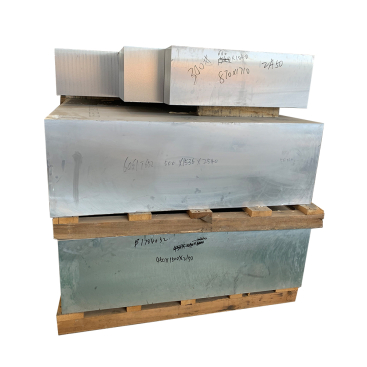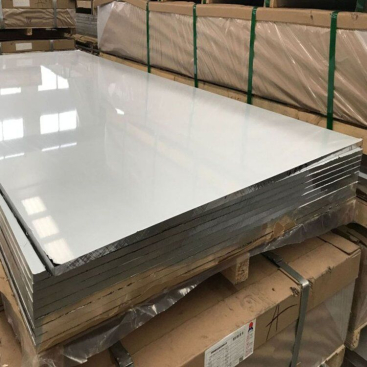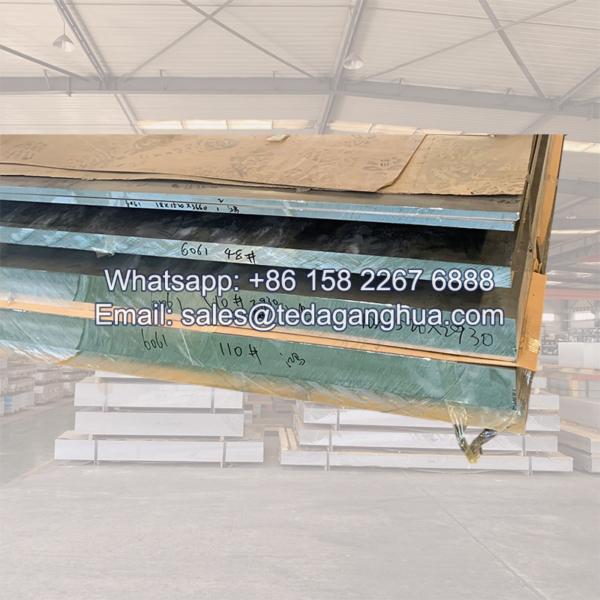
- Description
- Inquiry
When purchasing 3000 series aluminum plate, buyers may notice that some suppliers describe a product as aluminum sheet while others call a similar product aluminum plate. This difference can create confusion during quotation, technical communication, and international procurement. The reason is that the distinction between sheet and plate is not always based on one universally applied thickness definition. Different manufacturers, product catalogs, standards, and processing environments may use different classification methods. For buyers, understanding the practical distinction is more important than debating the terminology.
1. Why Is There No Universal Sheet and Plate Boundary?
The terms aluminum sheet and aluminum plate are widely used across the metal industry, but their definitions are not necessarily identical in every market. Manufacturers may establish their own product categories, standards may organize products according to different technical conventions, and processors may use terminology based on how the material will be handled.
As a result, a product described as aluminum sheet in one supplier’s catalog may appear under an aluminum plate category in another supplier’s product range. This does not automatically mean that the material itself has different metallurgical properties. It may simply reflect differences in commercial classification.
| Classification Source | Basis of Distinction | Why Differences Occur |
|---|---|---|
| Different manufacturers | Thickness categories in individual product catalogs | Each manufacturer may establish different product range classifications. |
| Different standards systems | Product definitions and technical descriptions | Terminology and classification approaches may differ between standards. |
| Processing environment | Whether the material is supplied in coil or flat form | Handling, rolling, cutting, and forming requirements influence commercial terminology. |
2. Manufacturer Catalogs: Commercial Categories Are Not Always Identical
Aluminum producers and distributors organize their product catalogs according to their manufacturing capabilities, available equipment, and commercial supply arrangements. One manufacturer may group a range of products under aluminum sheet, while another may use separate sheet and plate categories for its sales organization.
This difference becomes particularly noticeable when international buyers compare quotations from multiple suppliers. The same general material description may appear in different catalog sections, even when the actual product dimensions and delivery conditions are comparable.
Therefore, buyers should avoid using a supplier’s category name as the only technical reference. A product description should always include the actual dimensions, alloy designation, temper, and applicable dimensional tolerances.
3. Different Standards May Use Different Classification Approaches
International aluminum standards provide technical requirements for products, including alloy designations, mechanical properties, dimensions, tolerances, and inspection procedures. However, terminology and product classification are not necessarily presented in the same way across every standards system.
A standard may define a particular product form and its applicable requirements without establishing one universal commercial boundary that every manufacturer must use when naming sheet and plate products.
This is why buyers should distinguish between a technical standard and a supplier’s catalog classification. A commercial description such as aluminum plate does not replace the need to identify the applicable product standard and its actual requirements.
The product name identifies a commercial form, while the material specification defines what must actually be delivered. Dimensions, temper, tolerances, and standard requirements should take priority over inconsistent naming conventions.
4. Processing Conditions: Can the Material Be Supplied in Coil Form?
In practical manufacturing environments, the way aluminum is processed and supplied can be more meaningful than the name assigned to it. Whether the material can be rolled into a coil, transported as a coil, or supplied as a flat cut piece often influences how manufacturers and buyers describe the product.
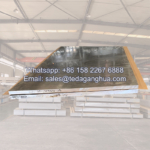
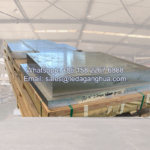
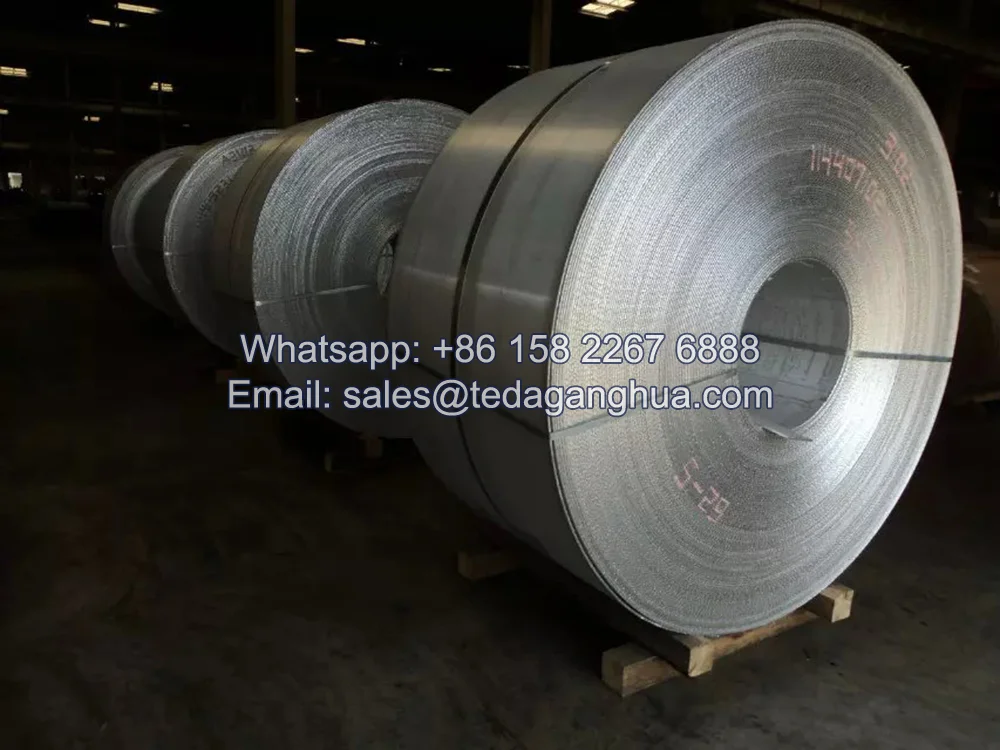
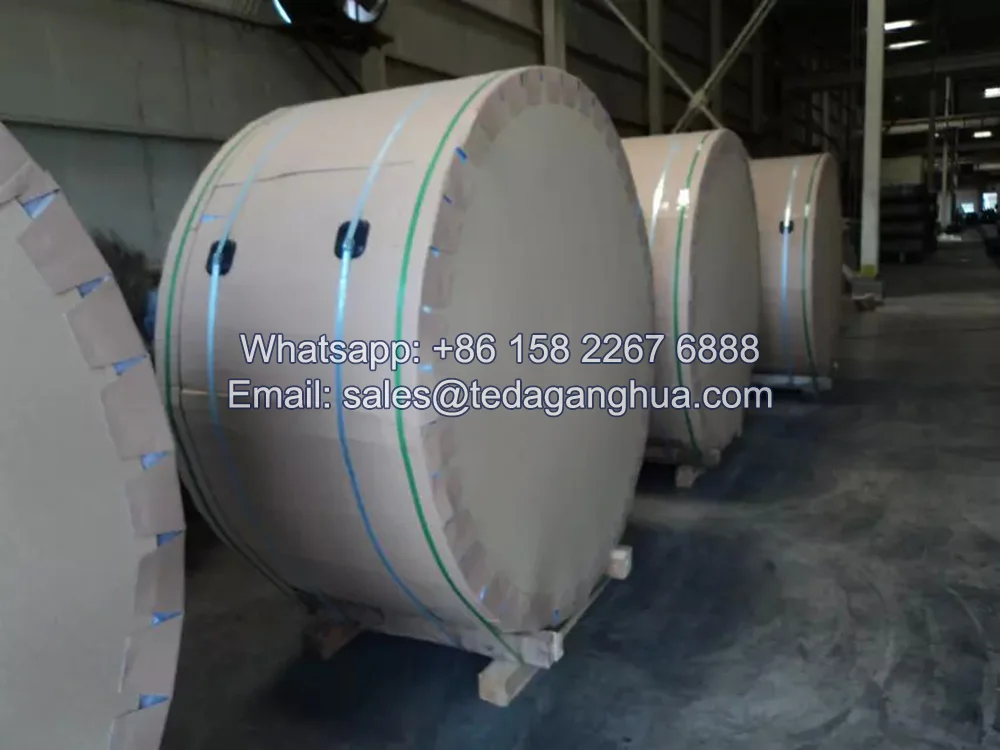
Aluminum coil is suitable for continuous processing operations such as roll forming, slitting, and automated sheet production. Flat aluminum products are commonly supplied for cutting, machining, stamping, structural fabrication, and other processes that require individual pieces.
However, coil availability alone does not establish a universal definition of sheet, and flat delivery does not automatically make a product plate. The final commercial description still depends on the manufacturer’s classification and the purchasing specification.
Coil Supply and Flat Product Supply
Commonly used for continuous production, slitting, roll forming, and automated fabrication lines.
Commonly used for cut-to-size components, machining, stamping, structural fabrication, and individual panel production.
5. Why the Naming Difference Matters in International Purchasing
Although the difference between sheet and plate may appear to be a terminology issue, it can create practical problems during procurement. Buyers who rely only on the product name may receive quotations that are difficult to compare because different suppliers interpret the requested category differently.
For example, one supplier may quote a product based on its standard catalog category, while another may classify the same requested material according to its manufacturing and delivery format. If the buyer does not specify the actual requirements, the quotations may represent different products.
This problem can be avoided by replacing ambiguous product names with a clear technical description. A properly written purchase specification allows suppliers to evaluate the same requirements instead of making assumptions about terminology.
6. Four Parameters That Should Appear in Every Purchase Order
For 3000 series aluminum plate procurement, four key parameters provide a much more reliable basis for communication than the words sheet or plate alone.
These four parameters establish a practical purchasing basis. Depending on the application, buyers should also identify the alloy grade, applicable standard, surface condition, edge requirements, flatness, and inspection documentation.
7. How Teda Ganghua Helps Clarify Aluminum Product Specifications
Teda Ganghua Metal supports international buyers with aluminum material sourcing and supply coordination for industrial manufacturing, fabrication, and construction projects. Based in Tianjin TEDA, the company has 20 years of stockist experience and understands the importance of matching commercial product descriptions with actual purchasing requirements.
When customers request aluminum sheet or plate, Teda Ganghua can help clarify the alloy designation, required dimensions, temper, surface condition, and tolerance requirements before quotation. This approach helps reduce misunderstandings caused by differences in supplier catalogs and regional product terminology.
For buyers sourcing aluminum sheet products, providing a complete technical specification is the most effective way to obtain comparable supply proposals. Material test certificates, relevant inspection documents, and third-party inspection arrangements can also be discussed according to project requirements. Customers are welcome to inspect the materials before shipment.
Frequently Asked Questions
1. Is there one universal thickness boundary between aluminum sheet and plate?
Not necessarily. Different manufacturers, product catalogs, and standards systems may use different classification approaches. Buyers should verify the applicable technical specification rather than assume every supplier uses the same boundary.
2. Does aluminum sheet always come in coil form?
No. Aluminum sheet can be supplied in coil or flat cut form, depending on the manufacturing process and supplier’s product range. The delivery format should be specified separately in the purchase order.
3. Is aluminum plate a different alloy from aluminum sheet?
No. Sheet and plate describe product forms or commercial classifications, not necessarily different alloy families. Both forms can be manufactured from the same aluminum alloy, subject to the relevant product specifications.
4. What information should buyers provide when requesting an aluminum plate quotation?
At a minimum, provide the alloy designation, thickness, width, temper, and applicable tolerance requirements. Surface condition, length, quantity, relevant standard, and intended processing method should also be included when applicable.
5. Why is the actual specification more important than the product name?
Because product names may vary between suppliers, while dimensions, temper, and tolerance requirements define the material that must be delivered. A detailed specification makes quotations easier to compare and reduces procurement misunderstandings.
Related products
-
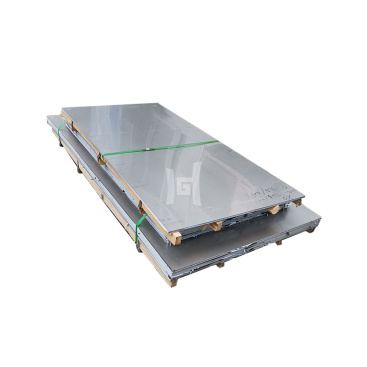
 5000 Series Aluminum Sheet, Aluminum Sheets, Marine Grade Aluminum Sheet
5086 Aluminum Sheet
5086 aluminum sheet, a typical 5000 series Al-Mg alloy, is widely used in shipbuilding for hulls, decks, and operating tables due to its excellent corrosion resistance, good weldability, and…
-
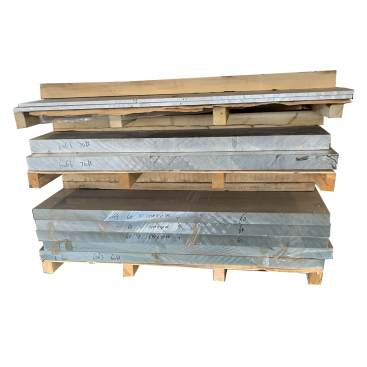
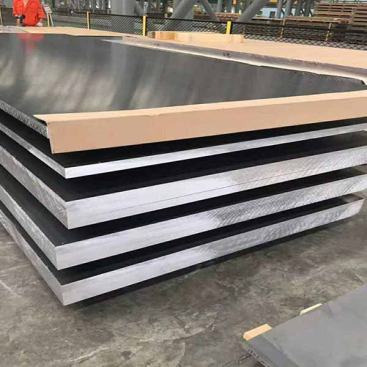 1000 Series Aluminum Sheet, Aluminum Sheets, Pure Aluminum Sheet
1230 Aluminum Sheet
Thickness(mm): aluminum sheet:0.15-6.0 aluminum plate:6.0-25.0
Width(mm): 20-2000mm
Standard: GB, JIS, DIN, ASTM
Surface treatment: Brushed, Mirror, Embossed, Sandblasted, etc
Temper: O/H111 H112 H116/H321 H12/H22/H32 H14/H24/H34/H16/H26/H36 H18/H28/H38 H114/H194, etc.
Type: coil/sheet/strips/plate
Package: Standard export package,such as… -
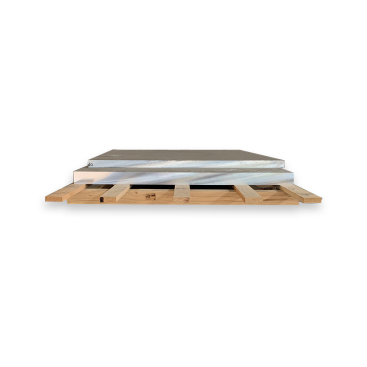
 2000 Series Aluminum Sheet, Aluminum Sheets
2219 Aluminum Alloy Sheets
Aluminum Alloy 2219 is a copper-reinforced, age-hardenable alloy known for its high structural strength and suitability for high-temperature applications. It supports various metalworking processes like machining, forming, and heat…
-
 Aluminum Sheets, 3000 Series Aluminum Sheet
3105 Aluminum Sheet
Why choose Teda Ganghua for 3105 Aluminum sheet?
With over 18 years of experience, we specialize in manufacturing and supplying ASTM and EN standard 3105 aluminum plates at competitive prices,… -
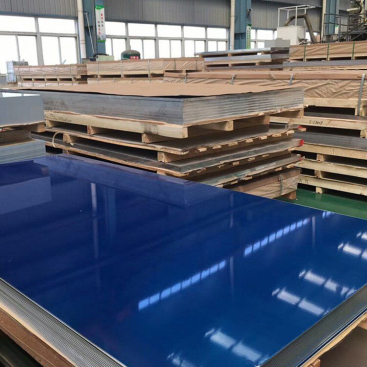 5000 Series Aluminum Sheet, Aluminum Sheets, Marine Grade Aluminum Sheet
5383 Aluminum Sheet
When it comes to shipbuilding, 5083 aluminum plate is a widely used material due to its high strength, corrosion resistance, excellent formability, and welding performance. It’s commonly applied in…
-
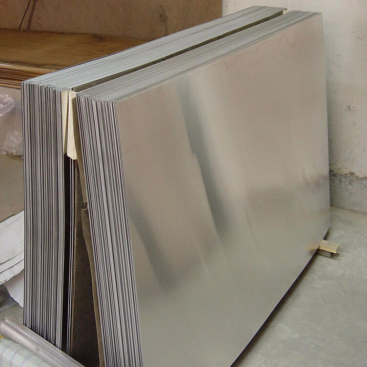 5000 Series Aluminum Sheet, Aluminum Sheets, Marine Grade Aluminum Sheet
5059 Aluminum Sheet
5059 aluminum sheet is a high-strength, corrosion-resistant alloy primarily made with magnesium. It gains strength through strain hardening rather than heat treatment and is commonly welded using MIG or…
-
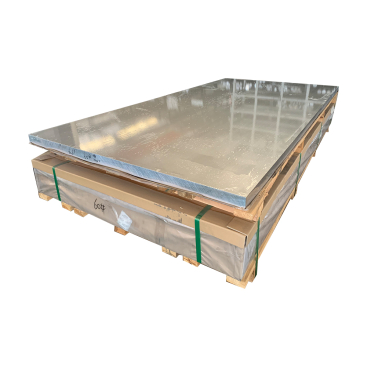
 1000 Series Aluminum Sheet, Aluminum Sheets, Pure Aluminum Sheet
1070 Aluminum Sheet
1070 Aluminum Sheet is the second most widely used metal in the world today. lt is a versatile metal that can be cast into any form. This lightweight metal…