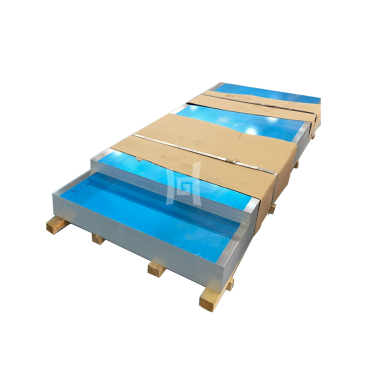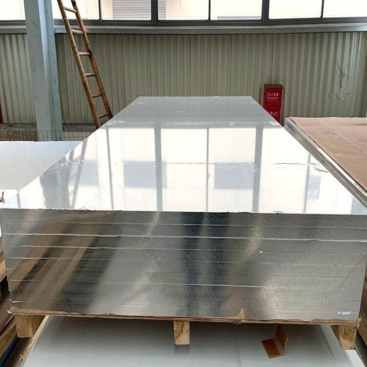
- Description
- Inquiry
When buyers specify 3003 H32 aluminum sheet, they are often looking for predictable material behavior over time, not simply a particular strength level. H32 is a strain-hardened and stabilized temper. After strain hardening, the material receives a low-temperature stabilization treatment that reduces its tendency to soften through natural aging at room temperature. The practical benefit is better stability in properties during storage and before fabrication.
What Does Stabilization Mean in H32?
The H32 temper combines strain hardening with stabilization. The material is first strengthened through cold working and then undergoes a low-temperature treatment. This treatment helps suppress the tendency for properties to drift through natural aging during normal room-temperature storage.
The purpose is not simply to make the sheet stronger. It is to make its condition more stable and predictable over time. For buyers managing inventory, multiple production batches, or components that will not receive further heat treatment, this distinction can be important.
Three Situations Where H32 Is Worth Considering
| Application situation | Why consider H32 | Purchasing benefit |
|---|---|---|
| Long-term inventory | Stabilization reduces the tendency for properties to change during room-temperature storage. | Material condition is more predictable when stock is held before use. |
| High batch-consistency requirements | Reduced time-related property drift helps limit one source of variation between stored batches. | Supports more consistent production planning when batches are used together. |
| No further heat treatment after forming | The stabilized condition provides a more predictable starting point for the finished component. | Helps buyers plan around the expected material condition after fabrication. |
Long-Term Storage: Stability Before Production
Some aluminum sheets are purchased for immediate processing, while others remain in a warehouse until a project or production schedule requires them. During storage, buyers want the material to retain a predictable condition rather than experience unnecessary changes before use.
The stabilization associated with H32 reduces the tendency toward natural-aging-related softening at room temperature. This makes the temper useful when inventory may be stored for an extended period. However, storage conditions still matter. Material should be kept dry, protected from contamination, and handled to prevent surface damage.
Batch Consistency: Reducing One Source of Variation
Manufacturers sometimes purchase material in separate orders and combine different batches during production. If material properties drift during storage, the difference between batches can become a concern for forming and dimensional consistency.
A stabilized temper helps reduce time-related variation, making H32 worth considering when batch consistency is important. It does not guarantee that every batch will be identical. Differences in production history, thickness, supplier controls, and inspection results still need to be considered. Buyers should use material certificates and agreed inspection criteria to verify each delivery.
Formed Components: When No Further Heat Treatment Is Planned
Some components are cut, bent, assembled, and then sent directly into service without another heat-treatment stage. In these applications, buyers need a material condition that can be relied upon throughout storage and the planned manufacturing process.
H32 provides a stabilized starting condition for such production routes. The final suitability still depends on the forming requirements, component geometry, and any joining or heating operations. Stabilization should not be confused with immunity to heat: subsequent welding or elevated-temperature processing can still affect the material condition.
H32 Is About Stability, Not a Promise of No Change
The main value of H32 is reduced property drift associated with natural aging under normal room-temperature conditions. It does not mean the material can never change, nor does it eliminate the effects of unsuitable storage, mechanical processing, welding, or other heat exposure.
Buyers should also avoid treating stabilization as a substitute for quality control. For projects with strict consistency requirements, confirm the temper on the purchase specification, review the material certificates, and agree on inspection methods before delivery. The required properties should be evaluated against the actual application rather than assumed from the temper label alone.
What to Confirm When Purchasing 3003 H32 Aluminum Sheet
Material identification: Confirm the 3003 alloy designation and H32 temper on the purchase order.
Dimensions: Specify thickness, width, length, and dimensional tolerances.
Surface condition: State the required finish and any visible-surface expectations.
Storage and production plan: Explain whether the material will be stored before use and whether multiple batches will be combined.
Documentation: Confirm material certificates and any third-party inspection requirements.
Teda Ganghua: Supporting Stable Material Purchasing
Teda Ganghua Metal supports aluminum material purchasing with stockist experience based in Tianjin TEDA. With 20 years of stockist experience, the company works with buyers to confirm alloy, temper, dimensions, surface requirements, and delivery arrangements. For projects where material may be stored before fabrication or where different batches will be used together, buyers can explain their inventory and production plans during the inquiry stage.
Material Test Certificates can be provided where applicable, and third-party inspection can be coordinated according to agreed order requirements. Customers are welcome to inspect the materials before delivery. Buyers can also discuss cutting and other agreed processing services based on their project requirements.
For related specifications and available aluminum sheet products, contact Teda Ganghua with the required alloy, temper, dimensions, and application details. Clear specifications help align material selection with storage conditions and the intended manufacturing process.
Frequently Asked Questions
1. What does H32 mean in 3003 aluminum sheet?
H32 is a strain-hardened and stabilized temper. The material is cold worked and then receives a low-temperature stabilization treatment to reduce its tendency toward natural-aging-related softening.
2. Is H32 suitable for long-term warehouse storage?
It is worth considering when material needs to remain in inventory before production because stabilization helps reduce time-related property drift at room temperature. Proper dry storage and handling are still necessary.
3. Does H32 mean the material will never change over time?
No. Stabilization reduces the tendency toward natural-aging-related changes; it does not guarantee that properties remain absolutely unchanged under every storage or processing condition.
4. Does H32 guarantee identical properties between batches?
No. It helps reduce one source of time-related variation, but batch consistency still depends on production control, material specifications, certificates, and inspection.
5. Can welding affect 3003 H32 aluminum sheet?
Yes. Welding heat can affect the work-hardened condition around the heated area. If the finished component has specific performance requirements, the joining process and heat-affected region should be evaluated during design and production planning.
Related products
-
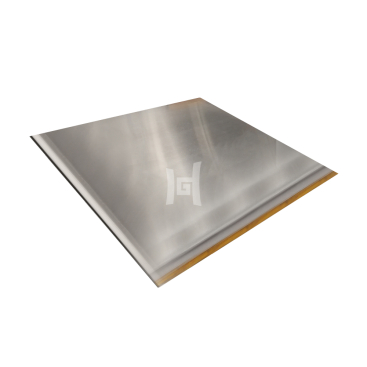
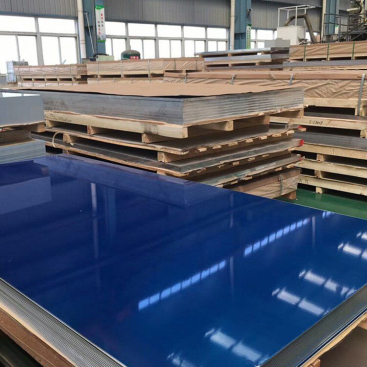 5000 Series Aluminum Sheet, Aluminum Sheets, Marine Grade Aluminum Sheet
5383 Aluminum Sheet
When it comes to shipbuilding, 5083 aluminum plate is a widely used material due to its high strength, corrosion resistance, excellent formability, and welding performance. It’s commonly applied in…
-

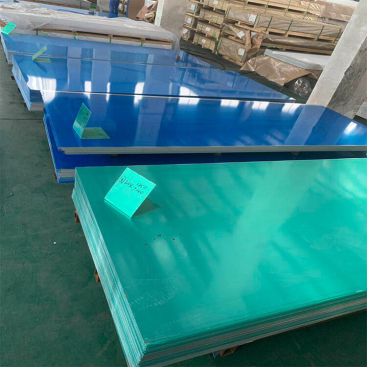 1000 Series Aluminum Sheet, Aluminum Sheets, Pure Aluminum Sheet
1100 Aluminum Sheet
1100 aluminum sheet is a type of pure aluminum, containing about 99% aluminum. It is more affordable compared to 5000 series aluminum plates. At Teda Ganghua, we offer various…
-
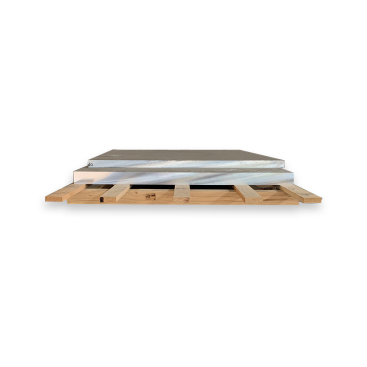
 Aluminum Sheets, 2000 Series Aluminum Sheet
2219 Aluminum Alloy Sheets
Aluminum Alloy 2219 is a copper-reinforced, age-hardenable alloy known for its high structural strength and suitability for high-temperature applications. It supports various metalworking processes like machining, forming, and heat…
-
 2000 Series Aluminum Sheet, Aluminum Sheets
2124 Aluminum Sheet
2124 aluminum sheet is a high-strength aluminum alloy known for its good performance at low temperatures and high electrical conductivity. While its inherent corrosion resistance is relatively poor, this…