
- Description
- Inquiry
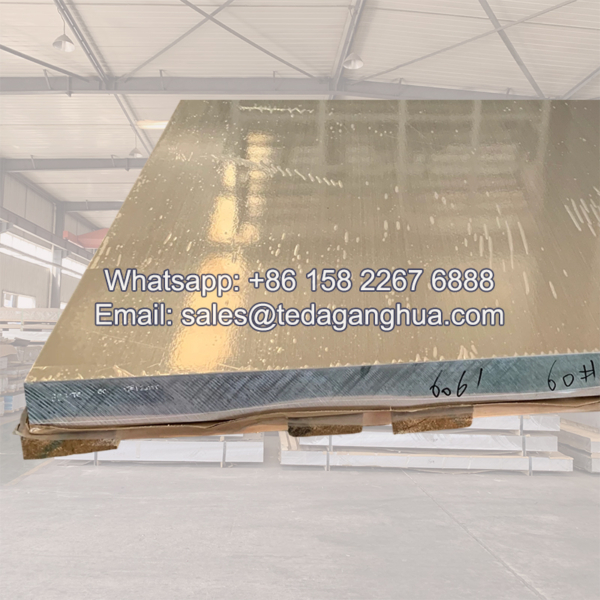
Thick 3003 aluminum plate is different from thin aluminum sheet in more ways than product dimensions. Its delivery condition, surface characteristics, and inspection requirements often follow a different production and quality-control approach. One important feature is that thicker material is frequently supplied in the O temper, or annealed condition, to provide better workability for subsequent machining and fabrication. Its surface may also retain a hot-rolled appearance rather than the smoother finish commonly associated with cold-rolled thin products. For buyers, understanding these differences is essential when specifying material for industrial components and customized fabrication.
1. Why Thick 3003 Aluminum Plate Requires a Different Approach
The production and inspection of thick aluminum plate are not simply larger versions of thin sheet manufacturing. Differences in rolling processes, thermal treatment, material handling, and dimensional measurement can influence the final product.
Thin aluminum products are commonly associated with cold-rolled surfaces and applications where appearance, forming consistency, and surface finish are important. Thicker products, on the other hand, are frequently purchased for machining, cutting, structural fabrication, and industrial equipment manufacturing.
These different application requirements explain why buyers should pay particular attention to delivery temper, surface condition, and dimensional inspection instead of applying the same acceptance criteria to every aluminum product.
2. Three Important Differences Between Thick Plate and Thin Sheet
When purchasing thick 3003 material, three characteristics deserve special attention: delivery condition, surface appearance, and dimensional inspection. Each can influence how the material performs during subsequent processing.
| Evaluation Item | Thick Aluminum Plate | Purchasing Consideration |
|---|---|---|
| Delivery Condition | Often supplied in O temper (annealed condition) | Confirm the temper according to machining and fabrication requirements. |
| Surface | Hot-rolled appearance is common | Distinguish processing surfaces from cosmetic finish requirements. |
| Inspection | Uses product-specific thickness tolerance and inspection arrangements | Agree on measuring locations, instruments, and acceptance criteria. |
3. O Temper: Why Annealed Material Is Commonly Used for Thick Plate
O temper refers to an annealed condition in which the aluminum material has undergone a suitable thermal treatment to reduce the effects of previous work hardening. This condition generally provides improved ductility and workability compared with harder cold-worked conditions.
For thick plate applications, this can be particularly useful because buyers often intend to perform additional manufacturing operations after delivery. These operations may include milling, drilling, cutting, machining, and component fabrication.
Why O Temper Matters in Manufacturing
- Machining: Annealed material provides a different cutting response from harder work-hardened conditions. Tool selection and cutting parameters still need to be optimized.
- Fabrication: Its increased ductility can be beneficial for certain forming and shaping operations.
- Stress considerations: Thermal treatment can influence residual stress, but it does not automatically guarantee dimensional stability during machining.
- Material selection: Buyers should consider the final component requirements before choosing the delivery temper.
It is important to understand that O temper is not automatically the best condition for every application. If a finished component requires a particular strength or hardness, the material condition must be selected according to the engineering specification and subsequent processing route.
Do not specify only the alloy designation. Confirm whether the required delivery condition is O temper or another agreed temper, especially when the plate will undergo substantial machining or forming.
4. Hot-Rolled Surface: Why It Does Not Look Like Cold-Rolled Sheet
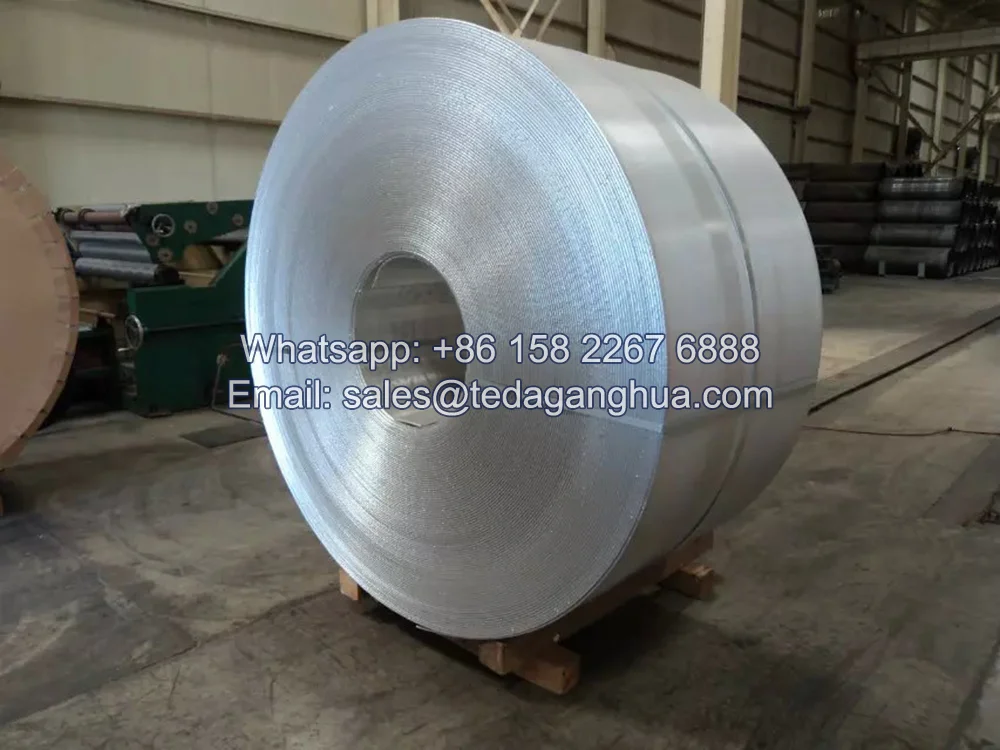
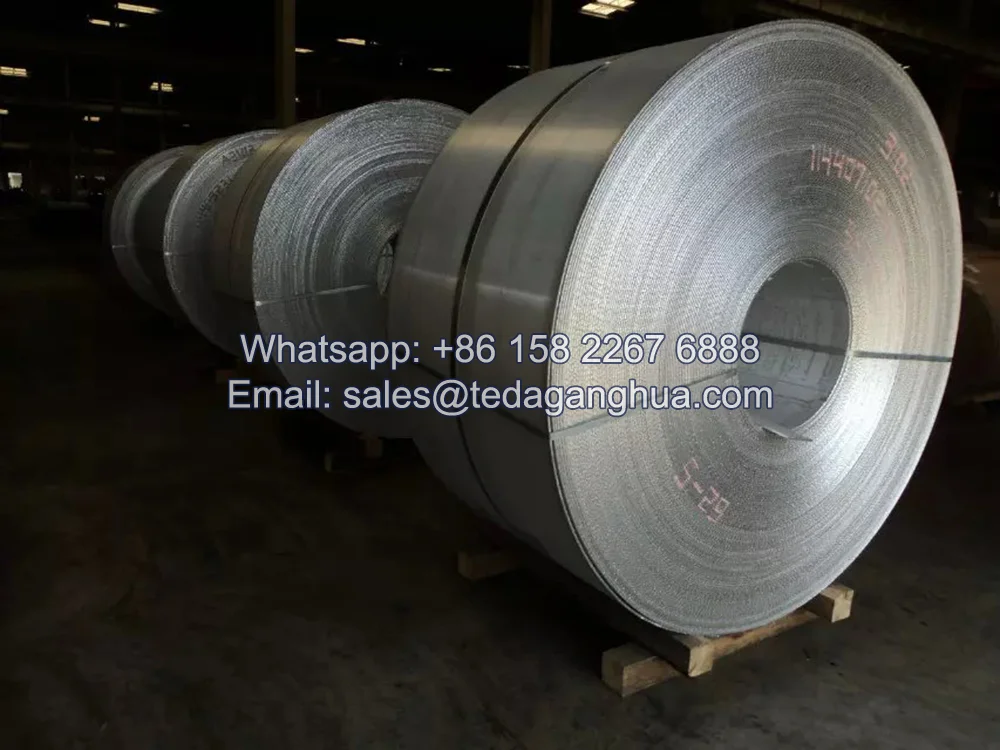
The surface of thick aluminum plate often reflects its rolling and subsequent processing history. Hot-rolled products can have a different visual texture, roughness, and appearance from cold-rolled thin sheet. This difference is related to the manufacturing route rather than automatically indicating a quality problem.
Cold rolling generally produces a more controlled and comparatively smooth surface. Hot-rolled material may retain more visible surface characteristics associated with its production process. Depending on the intended use, additional milling, grinding, or other surface preparation may be required.
Surface Appearance Versus Machining Allowance
For many thick plate applications, the supplied surface is not primarily intended to serve as a finished decorative face. Instead, it provides material that will be processed further to achieve the final component dimensions and surface requirements.
Machining allowance is therefore an important consideration. Buyers should identify which surfaces will be machined, how much material needs to be removed, and what final surface quality is required. The supplier and purchaser should also agree on the acceptable initial surface condition.
A common procurement mistake is to apply the cosmetic appearance expectations of cold-rolled thin sheet directly to thick hot-rolled plate. These products may have different manufacturing purposes, and their acceptance criteria should reflect the actual end use.
5. Thickness Tolerance: Why Measurement Agreements Matter
Thickness inspection is another area where thick plate requires careful specification. Different product forms and manufacturing standards may establish different dimensional tolerance requirements. Buyers should not assume that the tolerance system used for thin sheet automatically applies to thick plate.
The inspection method is equally important. A thickness measurement taken near an edge may not represent the same condition as a measurement taken in the central area. Measurement positions, instrument accuracy, surface condition, and inspection procedures can all influence the reported result.
Three Questions to Agree on Before Inspection
- Where should thickness be measured? Define the measuring locations and any applicable edge exclusions.
- Which instrument should be used? Agree on a suitable calibrated measuring instrument and its measurement capability.
- Which tolerance applies? Identify the governing product standard or an explicitly agreed contractual tolerance.
For critical machining applications, buyers may also need to discuss flatness, parallelism, surface condition, and dimensional changes after material removal. These characteristics should be addressed separately rather than assumed to be covered by thickness tolerance alone.
6. How to Write a Better Thick Plate Purchase Specification
A clear purchasing specification reduces misunderstandings between manufacturers, distributors, and end users. Instead of relying on the general product name, buyers should describe the material according to its intended manufacturing purpose.
| Specification Item | Information to Confirm |
|---|---|
| Alloy | 3003 and the applicable material standard |
| Dimensions | Required thickness, width, and length |
| Temper | O temper or another specified delivery condition |
| Surface | Hot-rolled condition, machined surface, or other agreed finish |
| Tolerance | Applicable dimensional tolerance requirements |
| Inspection | Measurement positions, instruments, and acceptance procedures |
| Final Application | Machining, cutting, fabrication, or direct installation |
Providing this information helps suppliers understand whether the material is intended for machining stock, fabricated components, or finished industrial parts. It also makes quotations and inspection arrangements easier to compare.
7. What to Check When Receiving Thick Aluminum Plate
Incoming inspection should be based on the purchase agreement and the applicable material standard. A practical inspection process should cover more than visual appearance.
- Verify the alloy designation and material identification.
- Check the delivery temper against the purchase order.
- Measure thickness and dimensions at the agreed locations.
- Inspect the surface for damage, deep scratches, and other unacceptable defects.
- Check flatness and other specified geometric requirements.
- Review the material test certificate and relevant inspection documentation.
- Confirm that the material is suitable for the planned machining or fabrication process.
For components requiring substantial material removal, machining trials or additional engineering checks may be appropriate. The final inspection procedure should reflect the importance of the component and the consequences of dimensional variation.
8. Thick 3003 Aluminum Plate Supply from Teda Ganghua
Teda Ganghua Metal is a Tianjin TEDA-based metal stockist with 20 years of stockist experience, supporting international buyers with aluminum and steel material sourcing. The company serves customers involved in industrial fabrication, equipment manufacturing, construction, and customized metal processing.
For thick 3003 material requirements, Teda Ganghua can assist with confirming alloy designation, delivery temper, dimensions, surface condition, and inspection expectations. Buyers can communicate whether the material is intended for machining, cutting, forming, or other fabrication operations so that supply requirements can be clarified before shipment.
Customers looking for aluminum sheet and plate products can provide their technical specifications for supply coordination. Material test certificates, relevant inspection records, and third-party inspection arrangements can be discussed according to project requirements. Customers are welcome to inspect the materials before delivery.
Frequently Asked Questions
1. Why is thick 3003 aluminum plate often supplied in O temper?
O temper is an annealed condition that generally provides greater ductility and workability than harder cold-worked conditions. It can be suitable for subsequent machining and fabrication, depending on the application requirements.
2. Why does thick aluminum plate have a different surface from thin sheet?
Thick plate is often produced through a hot-rolling route, while many thin products undergo cold rolling. Their surface appearance and finishing characteristics can therefore be different.
3. Is a rougher surface necessarily a quality defect?
No. Surface appearance should be evaluated according to the manufacturing route, applicable standard, and agreed acceptance criteria. For machining stock, the supplied surface may primarily serve as a starting condition for subsequent processing.
4. Are thick plate and thin sheet subject to the same thickness tolerances?
Not necessarily. Applicable tolerance requirements depend on the product form, governing standard, dimensions, and purchase agreement. Buyers should confirm the measuring locations and inspection method before ordering.
5. What is the most important specification when ordering thick 3003 plate?
Buyers should clearly specify the alloy, dimensions, temper, surface condition, and tolerance requirements. The intended machining or fabrication process should also be communicated to ensure that the supplied material matches the final application.
Related products
-
 2000 Series Aluminum Sheet, Aluminum Sheets
2124 Aluminum Sheet
2124 aluminum sheet is a high-strength aluminum alloy known for its good performance at low temperatures and high electrical conductivity. While its inherent corrosion resistance is relatively poor, this…
-
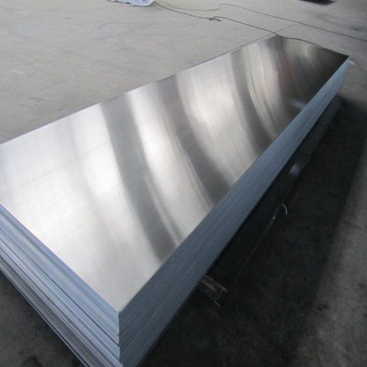 3000 Series Aluminum Sheet, Aluminum Sheets
3105 Aluminum Sheet
Why choose Teda Ganghua for 3105 Aluminum sheet?
With over 18 years of experience, we specialize in manufacturing and supplying ASTM and EN standard 3105 aluminum plates at competitive prices,… -
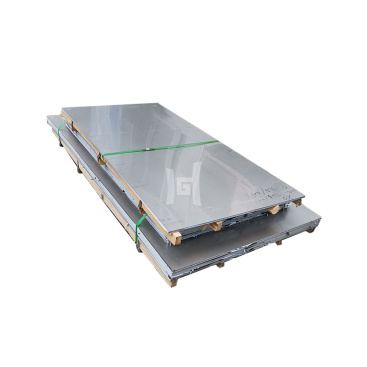
 5000 Series Aluminum Sheet, Aluminum Sheets, Marine Grade Aluminum Sheet
5086 Aluminum Sheet
5086 aluminum sheet, a typical 5000 series Al-Mg alloy, is widely used in shipbuilding for hulls, decks, and operating tables due to its excellent corrosion resistance, good weldability, and…
-
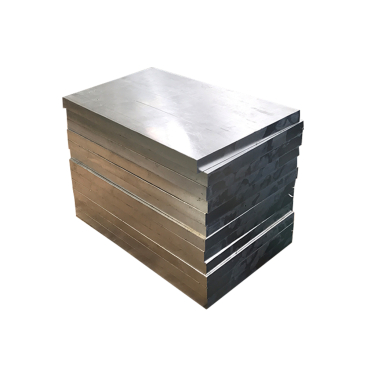
 2000 Series Aluminum Sheet, Aluminum Sheets
2024 Aluminium Sheet
2024 aluminum sheet offers good corrosion resistance and strengthens at subzero temperatures but weakens at 200–250°C. It forms well when annealed or quenched and responds well to heat treatment,…
-
 1000 Series Aluminum Sheet, Aluminum Sheets, Pure Aluminum Sheet
1070 Aluminum Sheet
1070 Aluminum Sheet is the second most widely used metal in the world today. lt is a versatile metal that can be cast into any form. This lightweight metal…
-
 Aluminum Sheets, 3000 Series Aluminum Sheet
3A21 Aluminum Sheet
Why Choose Teda Ganghua 3A21 Aluminium?
Teda Ganghua supplies high-quality 3A21 aluminium sheet and plate in various sizes and tempers (O, T3, T4, T6, H111, H112, H116). Our hot-selling 3A21… -
 5000 Series Aluminum Sheet, Aluminum Sheets, Marine Grade Aluminum Sheet
5383 Aluminum Sheet
When it comes to shipbuilding, 5083 aluminum plate is a widely used material due to its high strength, corrosion resistance, excellent formability, and welding performance. It’s commonly applied in…
-
 5000 Series Aluminum Sheet, Aluminum Sheets, Marine Grade Aluminum Sheet
5083 Aluminum Sheet
Various Tempers of 5083 Marine Grade Aluminum Plate
5083-H116 and 5083-H321 aluminum plates offer superior corrosion resistance, making them more suitable for marine underwater environments compared to H111 and H112…
