- Description
- Inquiry
The phrase “aluminum alloy 3003 sheet” may look longer than “3003 sheet,” but the word “alloy” serves a practical purpose in purchasing. It clarifies that the requested material is an aluminum alloy rather than commercially pure aluminum. In markets where pure aluminum and alloy products may be quoted or listed separately, this extra word helps reduce specification misunderstandings. It is not another grade designation or a change to the material itself. It is a useful filter in the product description.
What Does the Word “Alloy” Tell the Buyer?
The word “alloy” identifies the material category. It helps distinguish an aluminum alloy product from a product described only by the general material name. This distinction is especially useful when buyers search across supplier catalogs, compare quotations, or prepare purchase documents.
| Product wording | Information conveyed |
|---|---|
| Aluminum sheet | Identifies the product form and general material family, but does not clearly state whether the material is commercially pure aluminum or an aluminum alloy. |
| Aluminum alloy 3003 sheet | Explicitly identifies an aluminum alloy product and names the requested alloy designation, distinguishing it from commercially pure aluminum in the 1xxx series. |
| 3003 sheet | Normally understood within the aluminum industry as an alloy sheet because 3003 is an alloy designation. |
Why “Alloy” Is Not an Unnecessary Extra Word
Experienced aluminum buyers usually recognize 3003 as an alloy designation. In a technical specification, “3003 sheet” is generally sufficient to identify the requested material. However, not every search result, product listing, quotation request, or purchasing platform uses the same level of technical detail.
Adding “alloy” makes the material category explicit. It can help when a buyer is searching broadly, when a purchasing team is comparing different material categories, or when a supplier’s product catalog separates pure aluminum from alloy products. The extra word reduces ambiguity before the discussion reaches dimensions, temper, surface condition, and delivery requirements.
The Difference Between a Material Category and a Grade
“Aluminum alloy” describes a category of material. “3003” identifies the specific alloy designation within that category. These terms perform different jobs in a product description: one states what type of material is being requested, while the other narrows down which alloy is required.
This is why adding “alloy” does not create a new grade, modify the 3003 designation, or specify a temper. Buyers still need to state the delivery condition and product requirements separately. A complete inquiry should not rely on the word “alloy” to communicate details that it does not contain.
When the Word “Alloy” Is Most Useful
Broad online searches: Include “alloy” when searching across general aluminum product listings and supplier catalogs.
Quotation requests: Use the full wording when the supplier may handle both commercially pure aluminum and alloy materials.
Purchase documentation: Keep the material category and alloy designation explicit to reduce the risk of an incorrect product being quoted or supplied.
Technical communication: Use the standard alloy designation in drawings and specifications, with the temper and other required details stated separately.
How to Write a Clear Purchasing Specification
A product keyword is useful for discovery, but a purchase specification needs more information. Buyers should identify the alloy designation, temper, thickness, width, length, surface condition, applicable standard, and inspection documentation where required. These details help suppliers understand the actual product rather than relying on a short search phrase.
For example, a request that only says “aluminum sheet” leaves the material category open. A request that names the alloy and temper gives the supplier a clearer starting point. Drawings or application details can further clarify whether the material is intended for bending, cutting, machining, or general fabrication.
Teda Ganghua: Clear Material Identification Before Supply
Teda Ganghua Metal supports aluminum sheet inquiries with stockist experience based in Tianjin TEDA. With 20 years of stockist experience, the company works with buyers to clarify alloy designation, temper, dimensions, surface requirements, and delivery details before an order is confirmed.
For purchasing teams comparing different aluminum materials, providing a complete specification helps reduce the possibility of a category or temper mismatch. Material Test Certificates can be provided where applicable, and third-party inspection can be coordinated according to agreed order requirements. Customers are welcome to inspect the materials before delivery.
To review available aluminum sheet products, buyers can refer to the product category and submit their required alloy, temper, and dimensions for confirmation.
Frequently Asked Questions
1. Is aluminum alloy 3003 sheet different from 3003 sheet?
In normal industry usage, both expressions refer to the same alloy product. Adding “alloy” makes the material category more explicit but does not change the grade.
2. Does the word “alloy” specify the temper?
No. “Alloy” identifies the material category. The temper must be stated separately when it matters to forming, strength, or other processing requirements.
3. Why include “alloy” in a quotation request?
It helps distinguish an alloy product from commercially pure aluminum when the supplier handles multiple material categories. This can reduce ambiguity during quotation and order confirmation.
4. Does “aluminum sheet” always mean aluminum alloy?
Not necessarily. The phrase identifies a product form and general material family but does not, by itself, clearly identify the specific material category or alloy designation.
5. What details should accompany the 3003 alloy designation?
Specify the temper, thickness, width, length, surface condition, applicable standard, and any processing or inspection requirements relevant to the order.
Related products
-
 5000 Series Aluminum Sheet, Aluminum Sheets, Marine Grade Aluminum Sheet
5052 Marine Grade Aluminum Sheet Plate
5052 marine grade aluminum, part of the Al-Mg alloy series, is widely used in shipbuilding due to its excellent corrosion resistance and medium strength—qualities essential for materials constantly exposed…
-
 3000 Series Aluminum Sheet, Aluminum Sheets
3105 Aluminum Sheet
Why choose Teda Ganghua for 3105 Aluminum sheet?
With over 18 years of experience, we specialize in manufacturing and supplying ASTM and EN standard 3105 aluminum plates at competitive prices,… -
 Aluminum Sheets, 1000 Series Aluminum Sheet, Pure Aluminum Sheet
1230 Aluminum Sheet
Thickness(mm): aluminum sheet:0.15-6.0 aluminum plate:6.0-25.0
Width(mm): 20-2000mm
Standard: GB, JIS, DIN, ASTM
Surface treatment: Brushed, Mirror, Embossed, Sandblasted, etc
Temper: O/H111 H112 H116/H321 H12/H22/H32 H14/H24/H34/H16/H26/H36 H18/H28/H38 H114/H194, etc.
Type: coil/sheet/strips/plate
Package: Standard export package,such as… -
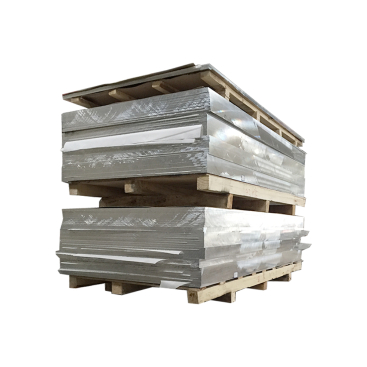
 1000 Series Aluminum Sheet, Aluminum Sheets, Pure Aluminum Sheet
1060 Aluminum Plate
1060 Aluminum Alloy – Overview and Applications
Teda Ganghua Metal supplies 1060 aluminum alloy, a high-purity grade with an aluminum content of at least 99.6%. This alloy offers excellent weldability,… -
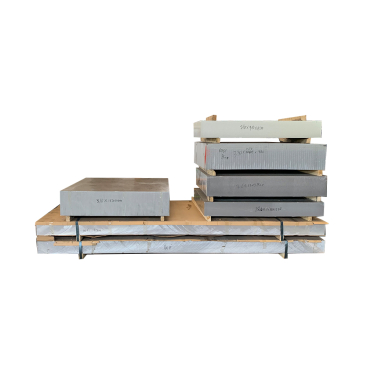
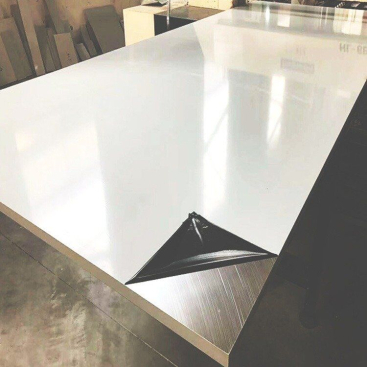 3000 Series Aluminum Sheet, Aluminum Sheets
3A21 Aluminum Sheet
Why Choose Teda Ganghua 3A21 Aluminium?
Teda Ganghua supplies high-quality 3A21 aluminium sheet and plate in various sizes and tempers (O, T3, T4, T6, H111, H112, H116). Our hot-selling 3A21… -
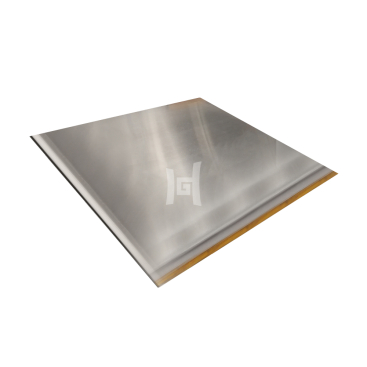
 5000 Series Aluminum Sheet, Aluminum Sheets, Marine Grade Aluminum Sheet
5383 Aluminum Sheet
When it comes to shipbuilding, 5083 aluminum plate is a widely used material due to its high strength, corrosion resistance, excellent formability, and welding performance. It’s commonly applied in…